

2666 Summary of Roberto Bolaño's Book
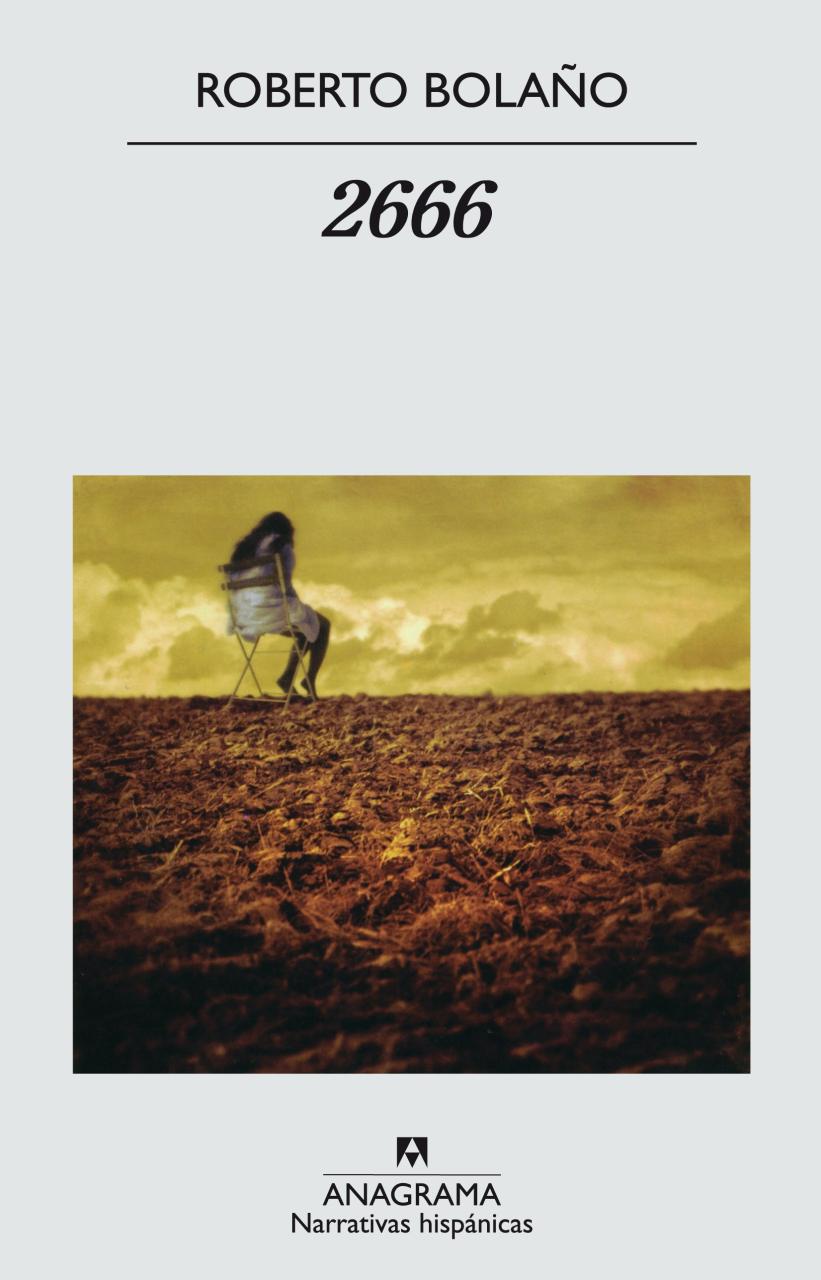
2666 #1-5
Title: 2666
Published: 2004
Table of Contents
Book Summary: 2666 by Roberto Bolaño
2666 is a captivating novel written by Roberto Bolaño, a literary mastermind who weaves together a complex narrative that spans continents, generations, and genres. Published in 2004, this novel has gained critical acclaim for its intricate storytelling and profound exploration of themes like literature, violence, and the human condition. Set in the fictional town of Santa Teresa (based on Ciudad Juárez), the story follows a group of literature professors who are fascinated by the enigmatic writer Benno von Archimboldi. What starts as an intellectual pursuit soon takes a dark turn as the professors delve into the mysteries surrounding Archimboldi and the brutal crimes that plague the town.
Characters
- Óscar Amalfitano: A troubled professor who grapples with his sanity and identity throughout the novel.
- Oscar Fate: A mysterious figure whose motives and actions drive the plot forward.
- Rosa Amalfitano: The daughter of Óscar Amalfitano, whose life becomes intertwined with the other characters in unexpected ways.
- Jean-Claude Pelletier, Piero Morini, Manuel Espinoza, Liz Norton: The group of literature professors who share a fascination with Benno von Archimboldi.
- Baroness von Zumpe: An eccentric character whose presence adds a touch of whimsy to the story.
- Benno von Archimboldi: The reclusive writer whose work serves as a central focus for the professors and drives them to Santa Teresa.
- Chucho Flores, Klaus Haas, Elvira Campo, Juan de Dios Martínez: Supporting characters whose stories intersect with the central narrative, adding layers of complexity to the novel.
Detailed Summary
The novel begins with four literature professors – Pelletier, Morini, Espinoza, and Norton – bonding over their shared admiration for the work of Benno von Archimboldi. Their obsession with the elusive writer leads them on a journey to Santa Teresa, a town plagued by a series of brutal murders. As they investigate the town and search for clues about Archimboldi's whereabouts, they become entangled in the dark underworld of violence and corruption that lurks beneath the surface.
Through a series of interconnected narratives, Bolaño delves into the lives of the characters, unveiling their innermost desires, fears, and struggles. Each character brings a unique perspective to the story, shedding light on different aspects of the human experience. As the plot unfolds, the novel transitions seamlessly between past and present, weaving together a tapestry of events that are both haunting and profound.
The discovery of the murders in Santa Teresa serves as a catalyst for the characters to confront their own demons and grapple with the realities of violence and death. Bolaño's prose is both lyrical and merciless, unflinchingly portraying the horrors of the world while also celebrating the beauty and resilience of the human spirit.
Extensive Analysis
2666 is a novel that defies easy categorization, blending elements of mystery, literary criticism, and social commentary into a multifaceted narrative. Bolaño's writing is dense and rich, filled with intricate details and vivid imagery that bring the story to life. The novel explores themes of art, identity, power, and the nature of evil, challenging readers to confront the complexities of the world we inhabit.
One of the most striking aspects of 2666 is its exploration of violence, particularly violence against women. The murders in Santa Teresa serve as a stark reminder of the cruelty and indifference that exist in society, highlighting the ways in which people are dehumanized and commodified. Bolaño's portrayal of these crimes is unflinching and brutal, forcing readers to reckon with the harsh realities of gender-based violence and the ways in which it is often ignored or overlooked.
In addition to its exploration of violence, 2666 also delves into the power of literature and the ways in which art can shape and define our lives. The characters' obsession with Archimboldi reflects a deep-seated longing for meaning and connection, as they search for something transcendent in a world that often feels chaotic and fragmented. Through their quest for the elusive writer, the characters grapple with questions of authorship, influence, and the nature of creativity, ultimately revealing the profound impact that art can have on individuals and society as a whole.
Overall, 2666 is a masterful work of literature that challenges and disturbs in equal measure. Bolaño's genius lies in his ability to navigate the vast expanse of human experience, capturing both the light and darkness that reside within us all. The novel is a testament to the power of storytelling and the capacity of fiction to illuminate the truths that elude us in our daily lives.
Final thoughts
To conclude, 2666 is a novel that transcends genre and defies easy explanation. It is a literary masterpiece that demands careful attention and reflection, as it delves into the depths of the human condition with unflinching honesty and complexity. If you are a fan of thought-provoking literature that challenges and engages, then 2666 is a must-read. Pick up a copy of the book or listen to the audiobook to immerse yourself in Bolaño's mesmerizing world and experience the magic of his storytelling firsthand.
With its compelling narrative, richly drawn characters, and searing exploration of violence and art, 2666 is a novel that will stay with you long after you turn the final page. Don't miss out on this extraordinary work of fiction that has captivated readers around the world and solidified Bolaño's status as a literary giant of his generation.
9788433968678 (ISBN10: 843396867X)
Format: 1128 pages, Paperback
Original Title: 2666
Edition: October 1, 2004 by Anagrama
Swallows and Amazons Summary of Arthur Ransome's Book

The Moon Is a Harsh Mistress Summary of Robert A. Heinlein's Book

Franny and Zooey Summary of J.D. Salinger's Book

Tales of Ordinary Madness Summary of Charles Bukowski's Book

At the Mountains of Madness and Other Tales of Terror Summary of H.P. Lovecraft's Book

The Lover Summary of Marguerite Duras's Book
Related Books