

The Divine Comedy of Dante Alighieri, Volume 2: Purgatorio Summary of Dante Alighieri's Book
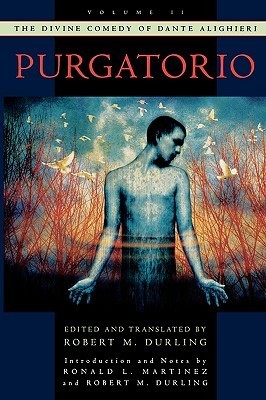
La Divina Commedia #2
Title: The Divine Comedy of Dante Alighieri, Volume 2: Purgatorio
Published: 1321
Table of Contents
The Divine Comedy of Dante Alighieri, Volume 2: Purgatorio
The Divine Comedy of Dante Alighieri is a masterpiece of world literature that has captivated readers for centuries. Written by the Italian poet Dante Alighieri, the epic poem is divided into three parts: Inferno, Purgatorio, and Paradiso. In this article, we will delve into the second part of the Divine Comedy, Purgatorio.
Characters
Virgilio (Publius Vergilius Maro)
Virgilio is a Roman poet from classical antiquity who serves as Dante's guide through the realms of Purgatory. He represents human reason and intellectual virtues, guiding Dante through the penitential process of Purgatory as a means of cleansing his soul.
Dante Alighieri
Dante Alighieri is the author and protagonist of the Divine Comedy. In Purgatorio, Dante continues his journey through the afterlife, guided by Virgilio. As he ascends the terraces of Purgatory, Dante reflects on his own sins and transgressions, seeking redemption and spiritual enlightenment.
Detailed Summary
In Purgatorio, Dante and Virgilio ascend the mountain of Purgatory, where souls are cleansed of their sins before ascending to Paradise. The mountain is divided into seven terraces, each corresponding to one of the seven deadly sins. As they journey through Purgatory, Dante encounters various souls undergoing penance for their sins, each punishment tailored to the sin they committed in life.
On each terrace, Dante witnesses scenes of suffering and repentance, as souls endure punishment in order to purify themselves and move closer to God. Through his interactions with these souls, Dante reflects on his own sins and shortcomings, seeking to learn from their mistakes and make amends for his own transgressions.
As they progress through Purgatory, Dante and Virgilio encounter a diverse cast of characters, each with their own stories of redemption and salvation. From the proud and envious to the lustful and gluttonous, Dante bears witness to the consequences of sin and the power of repentance.
Analysis
Purgatorio is a profound exploration of sin, redemption, and the human condition. Through the allegorical journey of Dante and Virgilio, the poem delves into the nature of sin and the process of spiritual purification. Each terrace of Purgatory serves as a moral lesson, teaching readers about the consequences of sin and the importance of penance.
The character of Virgilio is crucial to the narrative of Purgatorio, representing the virtues of reason and intellect. As Dante's guide, Virgilio provides wisdom and guidance, helping Dante navigate the treacherous terrain of Purgatory and learn from the souls he encounters.
Throughout Purgatorio, Dante grapples with his own sins and struggles, seeking absolution and enlightenment. His journey serves as a mirror for readers, prompting them to reflect on their own moral failings and contemplate the path to spiritual growth.
Overall, Purgatorio is a powerful and thought-provoking work that continues to resonate with readers today. Its themes of sin, redemption, and the search for meaning in life are timeless and universal, making it a literary classic that has stood the test of time.
To conclude, The Divine Comedy of Dante Alighieri, Volume 2: Purgatorio is a must-read for any lover of literature or poetry. Its rich language, intricate symbolism, and profound insights into the human soul make it a true masterpiece of world literature.
If you enjoyed this summary, I highly recommend purchasing the complete book or listening to the audiobook to experience the full depth and beauty of Dante Alighieri's epic poem. Happy reading!
9780195087451 (ISBN10: 0195087453)
Format: 704 pages, Paperback
Original Title: Purgatorio
Edition: April 8, 2004 by Oxford University Press
Swallows and Amazons Summary of Arthur Ransome's Book

The Moon Is a Harsh Mistress Summary of Robert A. Heinlein's Book

Franny and Zooey Summary of J.D. Salinger's Book

Tales of Ordinary Madness Summary of Charles Bukowski's Book

At the Mountains of Madness and Other Tales of Terror Summary of H.P. Lovecraft's Book

The Lover Summary of Marguerite Duras's Book
Related Books