

Danse Macabre Summary of Stephen King's Book

Title: Danse Macabre
Published: 1981
Table of Contents
Danse Macabre by Stephen King: A Comprehensive Analysis
In the world of horror literature, Stephen King is a name that needs no introduction. With countless bestsellers to his name, King has established himself as a master of the genre. One of his lesser-known works, but no less important, is "Danse Macabre." First published on April 20, 1981, Danse Macabre is a unique blend of fantasy, autobiography, and analysis of horror in popular culture. In this article, we will delve into the characters, the detailed summary, and an extensive analysis of this intriguing book.
Characters
While "Danse Macabre" is not a work of fiction in the traditional sense, Stephen King himself can be considered the main character of this book. Through his own personal experiences and reflections, King takes the readers on a journey into the world of horror. He discusses the impact of horror on society, the psychology behind fear, and his own approach to writing in the genre.
Detailed Summary
In "Danse Macabre," Stephen King explores the various aspects of horror in popular culture. He delves into the origins of horror literature and movies, tracing them back to classics like Count Dracula and Frankenstein. King analyzes how horror works on different levels, from the psychological to the supernatural, and how it has evolved over time.
The book is divided into several sections, each focusing on a different aspect of horror. King discusses the appeal of horror to audiences, the role of fear in society, and the impact of horror on the human psyche. He also examines the different themes and tropes that are common in horror literature and films, such as vampires, werewolves, and haunted houses.
Throughout the book, King draws on his own experiences as a writer of horror fiction. He shares insights into his creative process, the inspiration behind his stories, and the challenges of writing in a genre that is often dismissed as lowbrow or sensationalist. King's witty and engaging writing style makes "Danse Macabre" a fascinating read for both fans of horror and aspiring writers alike.
Analysis
"Danse Macabre" is a testament to Stephen King's deep understanding of the horror genre. Through his analysis, King sheds light on the cultural significance of horror, its enduring appeal, and its role in shaping our collective fears and anxieties. He explores how horror can be a cathartic experience, allowing us to confront our darkest fears in a safe and controlled environment.
One of the key themes of "Danse Macabre" is the idea that horror is a reflection of the fears and anxieties of society. King argues that horror literature and films serve as a mirror to our deepest fears, allowing us to explore and process our anxieties in a way that is both entertaining and enlightening. He also emphasizes the importance of horror as a genre that pushes boundaries and challenges conventions, forcing us to confront uncomfortable truths about ourselves and the world around us.
Overall, "Danse Macabre" is a thought-provoking and insightful exploration of horror in popular culture. Stephen King's passion for the genre shines through in every page, making this book a must-read for anyone interested in the art of fear.
Final thoughts
To conclude, "Danse Macabre" is a must-read for fans of horror literature and anyone interested in the psychology of fear. Stephen King's analysis of horror in popular culture is both enlightening and entertaining, offering a unique perspective on the genre that has made him a household name. If you enjoyed this summary, we encourage you to pick up a copy of "Danse Macabre" or listen to the audiobook for the full experience.
Remember, sometimes it's good to be scared!
Note: This was just a summary and analysis of the book "Danse Macabre" by Stephen King. For the full experience, we recommend reading the complete book or listening to the audiobook.
9780425181607 (ISBN10: 042518160X)
Format: 400 pages, Paperback
Original Title: Danse Macabre
Edition: September 1, 2001 by Berkley
The Anthropocene Reviewed Summary of John Green's Book
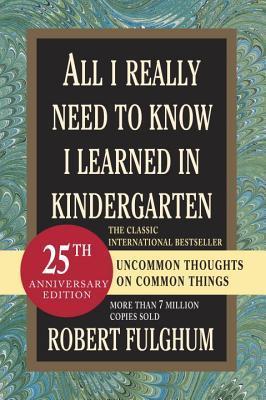
All I Really Need to Know I Learned in Kindergarten Summary of Robert Fulghum's Book
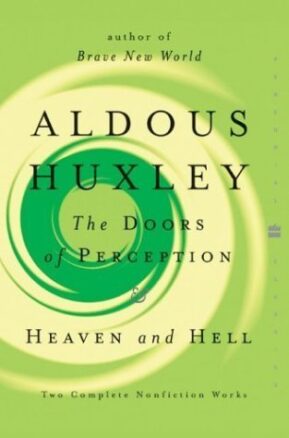
The Doors of Perception / Heaven and Hell Summary of Aldous Huxley's Book

I Feel Bad About My Neck, And Other Thoughts on Being a Woman Summary of Nora Ephron's Book

When You Are Engulfed in Flames Summary of David Sedaris's Book
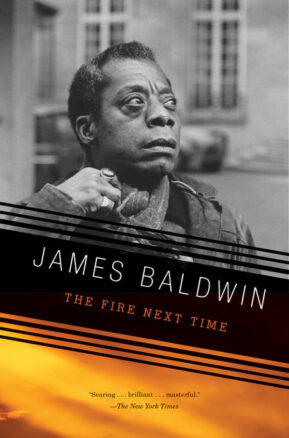
The Fire Next Time Summary of James Baldwin's Book
Related Books