

Goodbye to All That Summary of Robert Graves's Book
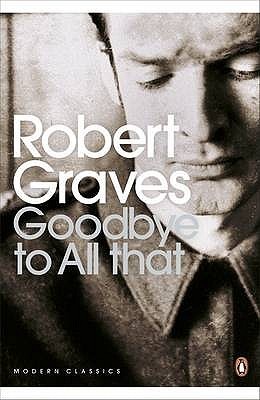
Title: Goodbye to All That
Published: 1929
Table of Contents
Exploring the Legacy of War in Robert Graves's 'Goodbye to All That'
Robert Graves's 'Goodbye to All That' is a haunting autobiography that delves into the profound impact of the First World War on English society. Published in 1929, the book provides a firsthand account of the seismic shifts that occurred in the aftermath of the war. Graves's vivid and candid narrative offers readers a glimpse into the tumultuous period that shaped his life and the lives of those around him.
Characters
The central character in 'Goodbye to All That' is Robert Graves himself. As a young officer in the First World War, Graves's experiences on the Western Front would leave an indelible mark on him. Throughout the book, he encounters various notable figures, including fellow writers and poets such as Siegfried Sassoon and Thomas Hardy. Additionally, the narrative delves into Graves's challenging marriage to Nancy Nicholson, providing a glimpse into his personal struggles amidst the backdrop of war and social upheaval.
Detailed Summary
The narrative of 'Goodbye to All That' begins with Graves's childhood and unhappy school days at Charterhouse, setting the stage for the events that would follow. As a young man serving in the First World War, Graves grapples with the horrors of the battlefield, offering readers a visceral and harrowing depiction of the Western Front. The narrative also explores Graves's interactions with his literary peers, providing insight into his relationships and influences during this tumultuous period.
The book chronicles Graves's decision to leave England permanently in 1929, marking a 'bitter leave-taking' as he reflects on his past and the experiences that have shaped him. Through a series of poignant and introspective reflections, Graves offers readers a deeply personal and revealing account of his life up to that point. 'Goodbye to All That' stands as a classic war document and a candid self-portrait of an artist grappling with the aftermath of war.
Extensive Analysis
Robert Graves's 'Goodbye to All That' is a poignant exploration of the lasting impact of war on individuals and society as a whole. Through his vivid descriptions and candid reflections, Graves illuminates the trauma and turmoil of the First World War, offering readers a window into a pivotal moment in history. The book's portrayal of Graves's personal struggles, relationships, and encounters with fellow writers provides a rich tapestry of insight into the author's life and influences.
As a modern classic, 'Goodbye to All That' continues to resonate with readers, offering a powerful reminder of the enduring legacy of war. Graves's introspective narrative invites readers to reflect on the profound consequences of conflict and the ways in which it shapes the human experience. Through his masterful storytelling and evocative prose, Graves captures the complexities of the post-war era and the indelible marks it leaves on those who lived through it.
To conclude, 'Goodbye to All That' is a compelling and thought-provoking work that sheds light on the tumultuous period following the First World War. Robert Graves's autobiographical account is a testament to the resilience of the human spirit in the face of adversity, offering readers a poignant and profound meditation on the impact of war on individuals and society.
If you found this summary intriguing, we highly recommend purchasing the complete book to fully immerse yourself in Robert Graves's evocative narrative. Alternatively, consider listening to the audiobook for a captivating listening experience that brings the story to life in a new way.
Remember, 'Goodbye to All That' is not just a book – it is a journey through time and memory that will leave a lasting impression on all who immerse themselves in its pages.
Format: 281 pages, Paperback
Original Title: Good-bye to All That: An Autobiography
Edition: September 28, 2000 by Penguin Modern Classics
Zeitoun Summary of Dave Eggers's Book

To Hell and Back Summary of Audie Murphy's Book

The Seven Storey Mountain Summary of Thomas Merton's Book

The Power Broker: Robert Moses and the Fall of New York Summary of Robert A. Caro's Book

Truman Summary of David McCullough's Book

Mountains Beyond Mountains: The Quest of Dr. Paul Farmer, a Man Who Would Cure the World Summary of Tracy Kidder's Book
Related Books