

Purple Hibiscus Summary of Chimamanda Ngozi Adichie's Book
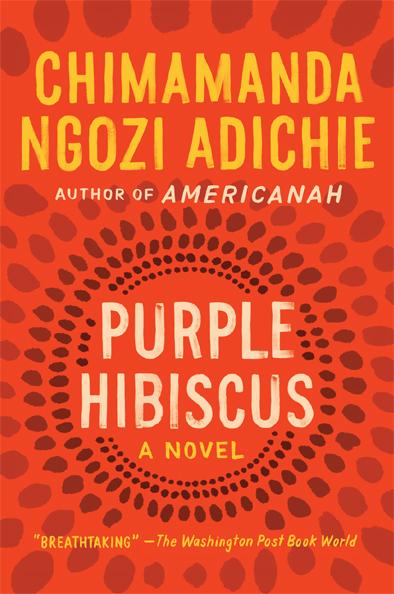
Title: Purple Hibiscus
Published: 2003
Table of Contents
Purple Hibiscus by Chimamanda Ngozi Adichie: An Immersive Tale of Family, Faith, and Freedom
Purple Hibiscus, written by acclaimed author Chimamanda Ngozi Adichie, is a captivating novel that delves into the complexities of family dynamics, the impact of religious fanaticism, and the quest for personal freedom in the midst of political turmoil. Set in Nigeria during a period of military rule, the story follows the lives of fifteen-year-old Kambili and her older brother Jaja as they navigate the oppressive environment created by their tyrannical father. Through Kambili's introspective narration, readers are taken on a journey of self-discovery, resilience, and the power of love in the face of adversity.
Characters
- Kambili: The protagonist of the story, Kambili is a timid yet observant young girl who struggles to find her voice in a household dominated by her father's strict rules and religious fervor.
- Jaja: Kambili's older brother, Jaja, is portrayed as a rebellious and protective figure who challenges their father's authority in defense of their family.
- Eugene: Also known as Papa, Eugene is a wealthy and influential man in the community, revered for his philanthropy and devotion to his faith. However, behind closed doors, he is a tyrant who enforces discipline through physical and emotional abuse.
- Beatrice: Kambili and Jaja's mother, Beatrice, is a resilient woman who silently bears the burden of her husband's cruelty while seeking solace in her children.
Detailed Summary
The novel opens with Kambili recounting her family's daily routine, which is governed by strict schedules and religious rituals imposed by her father, Eugene. As a prominent figure in the community, Eugene is highly respected for his generosity and devout Catholicism. However, behind closed doors, he rules his household with an iron fist, subjecting his wife and children to harsh punishments for the slightest transgressions.
Despite the oppressive atmosphere at home, Kambili finds solace in her love for her brother Jaja and her admiration for her Aunty Ifeoma, who offers a stark contrast to their father's authoritarian ways. When political unrest grips the country, Eugene becomes increasingly erratic, leading to a tragic incident that prompts Kambili and Jaja to seek refuge with their aunt.
Under Aunty Ifeoma's care, Kambili and Jaja experience a newfound sense of freedom and self-expression. Surrounded by books, music, and laughter, they begin to question the beliefs and values instilled by their father, paving the way for personal growth and reconciliation within their family.
Upon returning home, Kambili must confront the deep-rooted tensions that threaten to tear her family apart. As she navigates the complexities of love, loyalty, and forgiveness, she learns to assert her own voice and stand up against the tyranny that has plagued their lives for so long.
Analysis
Purple Hibiscus is a poignant exploration of the impact of domestic violence, religious indoctrination, and political upheaval on the lives of its characters. Through Kambili's introspective narration, Adichie masterfully captures the emotional turmoil of adolescence, the complexities of familial relationships, and the enduring strength of the human spirit in the face of adversity.
One of the novel's central themes is the contrast between freedom and oppression, as symbolized by the vibrant purple hibiscus flower that blooms in Aunty Ifeoma's garden. The flower serves as a metaphor for resilience, beauty, and the possibility of growth amidst adversity, echoing Kambili's own journey towards self-discovery and empowerment.
Adichie's nuanced portrayal of the characters, particularly Kambili and Jaja, highlights the transformative power of love and resilience in overcoming trauma and reclaiming one's voice. The novel also sheds light on the complexities of religious faith, cultural identity, and the legacy of colonialism in shaping the characters' worldviews.
Overall, Purple Hibiscus is a compelling and thought-provoking novel that resonates with readers on a deep emotional level. Adichie's lyrical prose, vivid imagery, and empathetic portrayal of her characters make this a must-read for anyone seeking a powerful literary experience.
Final thoughts
To conclude, Purple Hibiscus is a literary masterpiece that weaves together themes of family, faith, and freedom with grace and sensitivity. By immersing readers in the intimate world of Kambili and her family, Adichie invites us to reflect on the transformative power of love, resilience, and the pursuit of personal agency in the face of adversity.
If you have been moved by the themes and characters in this comprehensive summary, I highly encourage you to purchase the complete book or listen to the audiobook to fully experience the richness and depth of Chimamanda Ngozi Adichie's storytelling. Purple Hibiscus is a captivating read that will stay with you long after you turn the final page.
9781616202415 (ISBN10: 1616202416)
Format: 336 pages, Paperback
Original Title: Purple Hibiscus
Edition: April 17, 2012 by Algonquin Books
Palace Walk / Palace of Desire / Sugar Street Summary of Naguib Mahfouz's Book

Stolen Lives: Twenty Years in a Desert Jail Summary of Malika Oufkir's Book

Things Fall Apart Summary of Chinua Achebe's Book

The Constant Gardener Summary of John le Carré's Book

When the Lion Feeds Summary of Wilbur Smith's Book

Blood River: A Journey to Africa's Broken Heart Summary of Tim Butcher's Book
Related Books