
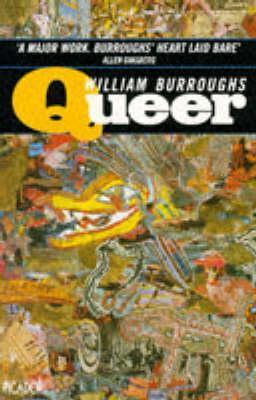

Queer Summary of William S. Burroughs's Book
Table of Contents
Queer by William S. Burroughs: A Complicated Masterpiece
Queer by William S. Burroughs is a novel that is often overlooked in the author's oeuvre, but it is a work that contains some of his most raw and emotional writing. Originally written in 1952 but not published until 1985, Queer is a complex and enigmatic book that straddles the line between autobiography and fiction. Set in Mexico City during the early 1950s, the novel follows the protagonist William Lee as he navigates the American expatriate scene while grappling with his own desires and inner demons. In this mega-article, we will delve into the world of Queer, exploring its characters, themes, and the unique style of William S. Burroughs.
Characters
William Lee is the protagonist of Queer, a character who is a clear stand-in for the author, William S. Burroughs. Lee is a disillusioned expatriate living in Mexico City, where he becomes entangled in a complicated and obsessive relationship with a young Mexican man named Eugene Allerton. Allerton is portrayed as a beautiful and enigmatic figure, one who serves as the object of Lee's desires and the catalyst for his unraveling. Throughout the novel, we also encounter a cast of eccentric characters who populate the seedy underworld of Mexico City, each one adding to the novel's dark and surreal atmosphere.
Detailed Summary
Queer begins with William Lee arriving in Mexico City, where he quickly becomes infatuated with Eugene Allerton. As Lee obsesses over Allerton, he embarks on a series of misadventures that range from drug-fueled nights in seedy bars to surreal encounters with bizarre characters. As Lee's obsession with Allerton grows, he becomes increasingly unhinged, leading to a startling climax that reveals the dark depths of his desires. Throughout the novel, Burroughs explores themes of addiction, desire, and the destructive nature of obsession, painting a vivid and haunting portrait of a man consumed by his own demons.
Analysis
Queer is a novel that defies easy categorization, blending elements of autobiography, fiction, and satire to create a work that is as provocative as it is unsettling. Burroughs' signature style is on full display in Queer, with his dark humor and incisive social commentary shining through in every page. The novel's exploration of queer desire and the complexities of human relationships is as relevant today as it was when the book was first written, making it a timeless and enduring work of literature.
One of the most striking aspects of Queer is Burroughs' unflinching examination of his own desires and demons. Through the character of William Lee, Burroughs exposes the darker aspects of human nature, confronting themes of addiction, violence, and existential despair with a brutal honesty that is both shocking and compelling. In doing so, Burroughs reveals the complexities of queer identity and the ways in which desire can both liberate and destroy.
Final thoughts
Queer by William S. Burroughs is a challenging and thought-provoking novel that rewards careful consideration and close reading. Its complex characters, dark humor, and surreal atmosphere combine to create a work that is unlike anything else in Burroughs' extensive body of work. Whether you are a fan of Burroughs' writing or are looking to explore queer literature, Queer is a must-read that will leave a lasting impression.
If you have enjoyed this summary of Queer, we highly recommend purchasing the complete book to experience the full depth and complexity of William S. Burroughs' vision. Alternatively, you may also consider listening to the audiobook version for a unique and immersive reading experience. Queer is a novel that deserves to be read and discussed, and we hope that this mega-article has inspired you to explore its rich and fascinating world.
9780330300162 (ISBN10: 0330300164)
Format: 160 pages, Paperback
Original Title: Queer
Edition: January 1, 1986 by Penguin Books
Babbitt Summary of Sinclair Lewis's Book

The Oranging of America and Other Stories Summary of Max Apple's Book

Raise High the Roof Beam, Carpenters & Seymour: An Introduction Summary of J.D. Salinger's Book

What Matters Most is How Well You Walk Through the Fire Summary of Charles Bukowski's Book

This Side of Paradise Summary of F. Scott Fitzgerald's Book

The Music of Chance Summary of Paul Auster's Book
Related Books