

Uncle Tom’s Cabin Summary of Harriet Beecher Stowe's Book
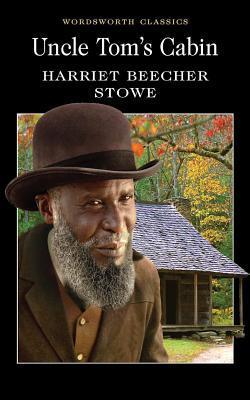
Title: Uncle Tom’s Cabin
Published: 1852
Table of Contents
Exploring the Heart-wrenching Tale of Uncle Tom’s Cabin by Harriet Beecher Stowe
Published in 1852, Uncle Tom’s Cabin by Harriet Beecher Stowe is a timeless piece of literature that continues to resonate with readers today. This powerful novel falls into the genres of Classics, Fiction, and Historical Fiction. Set against the backdrop of slavery in America, the book delves into the lives of several characters whose stories intertwine to create a gripping narrative. As we delve deeper into the world of Uncle Tom’s Cabin, we are introduced to a multitude of characters that each play a pivotal role in shaping the story.
Characters
- Uncle Tom: A kind-hearted and devoutly religious slave who faces numerous tribulations throughout the novel.
- Simon Legree: A cruel and sadistic plantation owner who embodies the worst aspects of slavery.
- Topsy: A young slave girl who initially struggles with her identity but undergoes significant growth over the course of the story.
- Evangeline St. Claire: The compassionate wife of Augustine St. Clare who forms a deep bond with Uncle Tom.
- Eliza Harris: A courageous slave who makes a daring escape with her son from the clutches of slavery.
- George Harris: Eliza’s husband who embarks on a perilous journey to reunite with his family.
- Augustine St. Clare: A conflicted slave owner who grapples with the morality of slavery.
- Ophelia St. Clare: Augustine’s cousin who undergoes a transformation in her views on race and slavery.
- George Shelby: A young boy who forms a bond with Uncle Tom and struggles with the institution of slavery.
- Tom Loker: A slave hunter who undergoes a change of heart and ultimately seeks redemption.
- Cassy: A complex character who navigates the challenges of slavery with strength and resilience.
- Aunt Chloe: Uncle Tom’s devoted wife who exemplifies courage and love in the face of adversity.
Detailed Summary
The narrative of Uncle Tom’s Cabin follows the interconnected stories of the characters mentioned above as they navigate the harsh realities of slavery in America. Uncle Tom, a beloved and faithful slave, finds himself sold to the brutal Simon Legree after his original master, Mr. Shelby, falls into financial hardship. Despite facing immense cruelty and hardship under Legree’s tyrannical rule, Uncle Tom remains steadfast in his faith and morals.
Eliza Harris, another central character, makes a daring escape with her son, Harry, to evade being sold to another slave owner. Her husband, George Harris, joins her on the journey to seek freedom and reunite with their family. Along the way, they encounter kind-hearted individuals who offer them assistance and support in their quest for liberty.
Augustine St. Clare, a conflicted slave owner, grapples with the moral implications of owning human beings. His interactions with Uncle Tom and other slaves force him to confront the inherent cruelty of slavery and the toll it takes on both the enslaved and the enslavers.
As the characters’ paths converge and diverge, the novel paints a vivid picture of the injustices and atrocities committed under the institution of slavery. Through moments of heartache, resilience, and redemption, Uncle Tom’s Cabin captures the complexities of human nature and the enduring power of hope and faith.
Extensive Analysis
While Uncle Tom’s Cabin is often praised for its anti-slavery sentiments, it also delves into deeper themes of Christian theology and the inherent contradictions of slavery within a Christian framework. Harriet Beecher Stowe’s religious beliefs shine through in the novel’s exploration of how Christian values stand in direct opposition to the institution of slavery.
The character of Uncle Tom serves as a moral compass within the story, embodying the virtues of forgiveness, compassion, and unwavering faith. His interactions with other characters, particularly Simon Legree, highlight the stark contrast between goodness and evil, kindness and cruelty.
Stowe weaves a tapestry of interconnected narratives that shed light on the human cost of slavery and the resilience of the human spirit in the face of adversity. Through her vivid descriptions and emotive storytelling, she invites readers to confront uncomfortable truths about America’s dark history and the enduring legacy of slavery.
As we reflect on the profound impact of Uncle Tom’s Cabin on American literature and society, we are reminded of the power of storytelling to provoke thought, inspire change, and foster empathy. The novel continues to resonate with readers of all backgrounds, serving as a poignant reminder of the importance of social justice and human rights.
Final thoughts
To conclude, Uncle Tom’s Cabin by Harriet Beecher Stowe is a timeless masterpiece that continues to captivate audiences with its poignant narrative and richly drawn characters. As we journey through the trials and triumphs of Uncle Tom, Eliza Harris, and the other characters, we are reminded of the enduring power of hope, love, and faith in the face of adversity.
If you have been moved by the themes and characters in this summary, I encourage you to delve into the complete book to experience the full depth and impact of Stowe’s storytelling. Whether in print or through an audiobook, Uncle Tom’s Cabin is a literary treasure that deserves a place on every reader’s bookshelf.
Format: 438 pages, Paperback
Original Title: Uncle Tom's Cabin; or Life Among the Lowly
Edition: August 5, 1999 by Wordsworth Classics
Swallows and Amazons Summary of Arthur Ransome's Book

The Moon Is a Harsh Mistress Summary of Robert A. Heinlein's Book

Franny and Zooey Summary of J.D. Salinger's Book

Tales of Ordinary Madness Summary of Charles Bukowski's Book

At the Mountains of Madness and Other Tales of Terror Summary of H.P. Lovecraft's Book

The Lover Summary of Marguerite Duras's Book
Related Books