

We Wish to Inform You That Tomorrow We Will Be Killed with Our Families Summary of Philip Gourevitch's Book
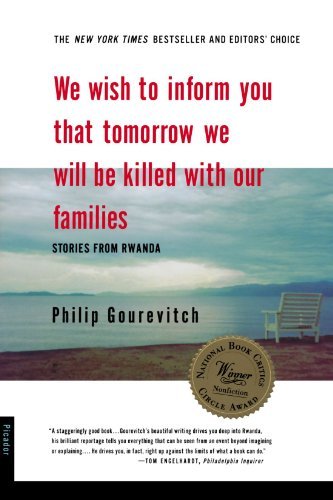
Title: We Wish to Inform You That Tomorrow We Will Be Killed with Our Families
Published: 1998
Table of Contents
We Wish to Inform You That Tomorrow We Will Be Killed with Our Families by Philip Gourevitch: Book Summary
Published on September 30, 1998, "We Wish to Inform You That Tomorrow We Will Be Killed with Our Families" by Philip Gourevitch is a powerful nonfiction book that delves into the horrifying events surrounding the Rwandan genocide. Taking place in April of 1994, the government of Rwanda issued a call to the Hutu majority to exterminate the Tutsi minority, resulting in the brutal murder of 800,000 Tutsis over three months. Gourevitch's book serves as an in-depth examination of the genocide, providing historical context and personal accounts of those who experienced the tragedy firsthand.
Characters
The book primarily focuses on the victims of the Rwandan genocide, particularly the Tutsi minority who were targeted for extermination. Philip Gourevitch provides vivid portraits of individuals who survived the horrific events, recounting their experiences and struggles in the aftermath of the genocide. Through their stories, readers gain a deeper understanding of the impact of the atrocities committed during this dark period in Rwandan history.
Detailed Summary
"We Wish to Inform You That Tomorrow We Will Be Killed with Our Families" offers a comprehensive overview of the Rwandan genocide, exploring the events leading up to the mass killings and the aftermath that followed. Gourevitch provides a detailed account of the political climate in Rwanda at the time, highlighting the deep-rooted ethnic tensions between the Hutu and Tutsi populations that fueled the violence.
The author describes how the government's incitement to violence led to widespread atrocities, with Hutu extremists carrying out a systematic campaign of genocide against the Tutsis. Through interviews with survivors, Gourevitch chronicles the harrowing experiences of those who witnessed and lived through the horrors of the genocide, shedding light on the personal toll of the violence.
Gourevitch also examines the international response to the Rwandan genocide, critiquing the lack of intervention from the global community as the killings unfolded. He delves into the complex ethical and political considerations that influenced the decision-making process of world leaders, raising questions about accountability and the responsibility to protect vulnerable populations.
Overall, "We Wish to Inform You That Tomorrow We Will Be Killed with Our Families" is a poignant and thought-provoking exploration of one of the darkest chapters in recent history. Gourevitch's narrative provides a compelling account of the Rwandan genocide, offering a platform for the voices of survivors to be heard and remembered.
Analysis
Philip Gourevitch's book serves as a stark reminder of the tragic consequences of hatred and division, as seen in the Rwandan genocide. Through his meticulous research and engaging storytelling, Gourevitch brings to light the human cost of political conflict and violence, challenging readers to confront the complexities of genocide and its aftermath.
One of the most striking aspects of the book is Gourevitch's ability to humanize the victims of the Rwandan genocide, portraying them not as statistics but as individuals with unique stories and experiences. By centering the narrative on the voices of survivors, Gourevitch creates a powerful emotional connection that resonates with readers and underscores the impact of the genocide on a personal level.
Additionally, Gourevitch's analysis of the international response to the Rwandan genocide raises important questions about the role of the global community in preventing and addressing mass atrocities. Through his examination of the failures of world leaders to intervene effectively, Gourevitch highlights the moral complexities and challenges inherent in responding to genocide and human rights abuses.
Overall, "We Wish to Inform You That Tomorrow We Will Be Killed with Our Families" is a compelling and eye-opening work that sheds light on a dark chapter in history. Gourevitch's writing is powerful and evocative, drawing readers into the tragic world of the Rwandan genocide and compelling them to confront uncomfortable truths about humanity's capacity for violence and cruelty.
To conclude, "We Wish to Inform You That Tomorrow We Will Be Killed with Our Families" is a must-read for anyone interested in history, human rights, and the complexities of political conflict. This book is a poignant reminder of the importance of bearing witness to the past and acknowledging the experiences of those who have suffered unimaginable atrocities.
If you enjoyed this summary, consider purchasing the complete book to delve deeper into the chilling account of the Rwandan genocide. Alternatively, you can listen to the audiobook version for a riveting and immersive experience. Happy reading!
Remember: Genocide should never be forgotten, discuss it with others, it is vital to learn from past mistakes.
9780312243357 (ISBN10: 0312243359)
Format: 356 pages, Paperback
Original Title: We Wish to Inform You That Tomorrow We Will Be Killed with Our Families
Edition: January 1, 1998 by Picador
Palace Walk / Palace of Desire / Sugar Street Summary of Naguib Mahfouz's Book

Stolen Lives: Twenty Years in a Desert Jail Summary of Malika Oufkir's Book

Things Fall Apart Summary of Chinua Achebe's Book

The Constant Gardener Summary of John le Carré's Book

When the Lion Feeds Summary of Wilbur Smith's Book

Blood River: A Journey to Africa's Broken Heart Summary of Tim Butcher's Book
Related Books