

A Guide to the Good Life: The Ancient Art of Stoic Joy <div>Summary of William B. Irvine's Book</div>
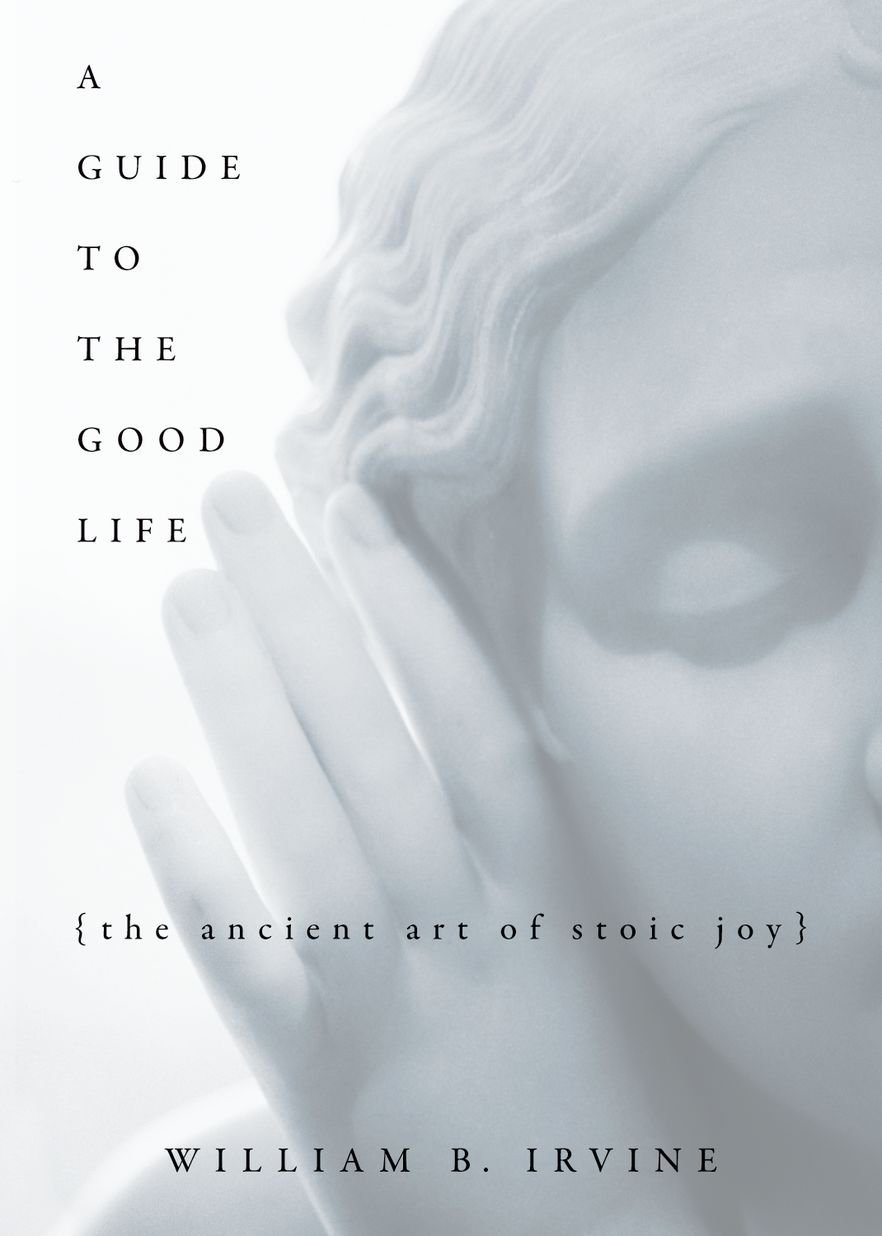
Title: A Guide to the Good Life: The Ancient Art of Stoic Joy
Published: 2008
Table of Contents
A Guide to the Good Life: The Ancient Art of Stoic Joy - Book Summary
In a world filled with constant distractions and demands, many of us struggle to find true happiness and peace of mind. William B. Irvine's book, "A Guide to the Good Life: The Ancient Art of Stoic Joy", offers a refreshing perspective on how we can achieve tranquility and fulfillment in our modern lives by drawing upon the wisdom of the ancient Stoic philosophers. Published on November 4, 2008, this book belongs to the genres of Philosophy, Nonfiction, and Self Help, providing readers with practical techniques and insights that are still relevant today.
Characters
The central characters in this book are the Stoic philosophers - Marcus Aurelius, Epictetus, and Seneca. These ancient thinkers laid the foundation for Stoicism, a philosophy that emphasizes self-control, resilience, and virtue. Through their teachings, they offer guidance on how to navigate life's challenges and find true joy and contentment.
Detailed Summary
In "A Guide to the Good Life", William B. Irvine delves into the principles of Stoicism and explores how they can be applied to our modern lives. The book begins by addressing the common fear of wasting our lives despite our efforts and explores how Stoic philosophy can help us overcome this fear. Irvine introduces readers to various Stoic techniques for attaining tranquility, such as minimizing worry, focusing on what we can control, and letting go of the past.
Through the writings of Marcus Aurelius, readers learn the importance of valuing only things of true worth, while Epictetus teaches us to be content with what we have. Irvine also highlights the Stoic approach to dealing with insults, grief, old age, and the allure of fame and fortune. By practicing Stoicism, readers can become more mindful observers of their own lives, identifying sources of distress and striving for a more joyful existence.
Extensive Analysis
Irvine's exploration of Stoic philosophy in "A Guide to the Good Life" offers readers practical tools for cultivating a sense of peace and fulfillment. By blending psychological insights with ancient wisdom, Irvine provides a roadmap for living a more purposeful and contented life. Through personal anecdotes and practical advice, Irvine demonstrates how Stoicism can help individuals navigate the complexities of modern existence.
Stoicism teaches us to focus on what is within our control, rather than dwelling on external circumstances beyond our influence. By adopting a mindset of acceptance and resilience, we can weather life's storms with grace and dignity. Irvine's emphasis on self-reflection and mindfulness encourages readers to cultivate a deeper understanding of themselves and their values, leading to greater clarity and peace of mind.
Final thoughts
To conclude, "A Guide to the Good Life: The Ancient Art of Stoic Joy" is a valuable resource for anyone seeking to enhance their well-being and cultivate a sense of inner peace. By drawing upon the timeless wisdom of the Stoic philosophers, Irvine offers readers a practical guide to living a more fulfilling and meaningful life. If you enjoyed this summary, consider purchasing the complete book for a more in-depth exploration of Stoic philosophy and its applications in the modern world. Alternatively, you can listen to the audiobook version for a convenient and immersive experience. Embrace the teachings of Stoicism and embark on a journey toward greater joy and tranquility in your life.
9780195374612 (ISBN10: 0195374614)
Format: 326 pages, Hardcover
Original Title: A Guide to the Good Life: The Ancient Art of Stoic Joy
Edition: November 4, 2009 by Oxford University Press
The End of Faith: Religion, Terror, and the Future of Reason Summary of Sam Harris's Book

Red Notice: A True Story of High Finance, Murder, and One Man's Fight for Justice Summary of Bill Browder's Book

Euclid's Elements Summary of Euclid's Book

So Good They Can't Ignore You: Why Skills Trump Passion in the Quest for Work You Love Summary of Cal Newport's Book

Scrappy Little Nobody Summary of Anna Kendrick's Book

Zeitoun Summary of Dave Eggers's Book
Related Books