

A Streetcar Named Desire Summary of Tennessee Williams's Book
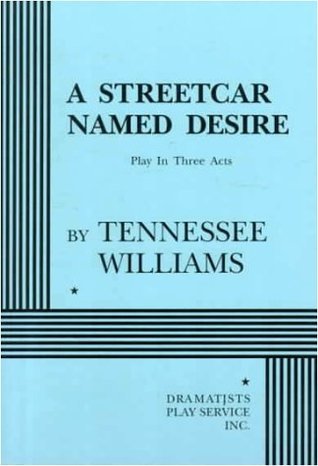
Table of Contents
A Streetcar Named Desire by Tennessee Williams: A Classic Drama Unveiling the Fragility of Human Existence
A Streetcar Named Desire, penned by the legendary playwright Tennessee Williams, is a timeless masterpiece that delves into the complexities of human relationships, desires, and societal expectations. First published on January 1, 1947, this iconic play has earned numerous awards and accolades, cementing its status as a classic in the realms of theater and literature. Set against the backdrop of post-World War II New Orleans, the narrative unfolds with a raw and unapologetic portrayal of its characters, delving deep into their innermost fears and desires.
Characters
Blanche DuBois - The protagonist of the play, Blanche is a complex and multi-faceted character who grapples with her inner demons and hidden past. Fading beauty, fragile psyche, and a penchant for creating illusions make her a tragic figure amidst the harsh realities of her surroundings.
Stanley Kowalski - A rugged and brutal man, Stanley serves as the primary antagonist in the story. His primal instincts and aggressive behavior clash with Blanche's delicate demeanor, setting the stage for a fierce power struggle that unfolds throughout the play.
Stella Kowalski - The younger sister of Blanche and wife of Stanley, Stella embodies a delicate balance between loyalty to her family and yearning for personal fulfillment. Her internal conflict between love and duty shapes her character arc significantly.
Harold "Mitch" Mitchell - A kind-hearted and sensitive man, Mitch serves as a potential love interest for Blanche. His gentle nature and genuine intentions provide a stark contrast to the roughness of Stanley, highlighting the complexities of human relationships and desires.
Eunice Hubbel and Steve Hubbel - Supporting characters in the narrative, Eunice and Steve offer insights into the societal dynamics and everyday struggles faced by the residents of New Orleans. Their interactions with the main characters shed light on the broader context of the play.
Detailed Summary
The narrative of A Streetcar Named Desire revolves around the tumultuous relationships between the characters as they navigate the complexities of love, desire, and societal expectations. Blanche DuBois, a former schoolteacher grappling with a troubled past, arrives at the cramped apartment of her sister Stella and brother-in-law Stanley in New Orleans. As the fragile Blanche attempts to rebuild her life and escape her haunting memories, she finds herself at odds with the brutish and aggressive Stanley, whose volatile nature threatens to unravel her carefully constructed facade.
Throughout the play, tensions escalate between Blanche and Stanley, leading to a series of confrontations that lay bare the underlying conflicts simmering beneath the surface. Blanche's fragile mental state and penchant for escapism collide with Stanley's raw masculinity and domineering presence, culminating in a climactic showdown that exposes the truth behind her carefully crafted illusions.
As the play reaches its poignant conclusion, the characters grapple with the harsh realities of their lives, confronting their innermost fears and desires in a raw and unflinching manner. Blanche's descent into madness and despair, juxtaposed against Stanley's unyielding brutality, serves as a stark reminder of the fragility of human existence and the wounds that linger beneath the surface.
Analysis
A Streetcar Named Desire stands out as a seminal work in the landscape of American literature, tackling themes of identity, desire, and societal expectations with unflinching honesty and emotional depth. Tennessee Williams masterfully crafts a narrative that delves into the complexities of human nature, exposing the vulnerabilities and flaws that define the characters' journeys.
The character of Blanche DuBois serves as the tragic centerpiece of the play, her unraveling psyche and inner turmoil reflecting the fragility of human existence in the face of harsh realities. Through Blanche's struggles, Williams explores the destructive power of illusions and the desperate yearning for connection and acceptance.
Stanley Kowalski, in contrast, embodies the primal instincts and brute force that threaten to shatter the delicate balance of the characters' lives. His clash with Blanche symbolizes the larger societal conflicts at play, highlighting the struggles for power, control, and dominance that underpin human relationships.
Stella Kowalski and Harold "Mitch" Mitchell provide nuanced portrayals of love, loyalty, and vulnerability, offering a glimpse into the complexities of human emotions and desires. Their interactions with Blanche and Stanley add layers of depth to the narrative, underscoring the tensions and contradictions that define the characters' journeys.
To conclude, A Streetcar Named Desire remains a timeless classic that continues to resonate with audiences and readers alike, offering a poignant exploration of the human condition and the intricacies of human relationships. Tennessee Williams' powerful portrayal of love, desire, and disillusionment lingers long after the final curtain falls, inviting audiences to reflect on the enduring themes that define the human experience.
Final thoughts
To conclude, A Streetcar Named Desire by Tennessee Williams stands as a compelling and thought-provoking work that transcends time and space, inviting readers to delve into the complexities of human existence and relationships. With its rich characters, evocative language, and poignant themes, this classic play is a must-read for anyone interested in exploring the depths of human nature and the intricacies of love, desire, and power.
If you found this summary intriguing, I highly recommend purchasing the complete book or listening to the audiobook for a more immersive experience. Dive into the world of A Streetcar Named Desire and discover the timeless truths that continue to resonate with audiences around the world.
9780822210894 (ISBN10: 0822210894)
Format: 107 pages, Paperback
Original Title: A Streetcar Named Desire
Edition: January 1, 1998 by Dramatists Play Service, Inc.
Swallows and Amazons Summary of Arthur Ransome's Book

The Moon Is a Harsh Mistress Summary of Robert A. Heinlein's Book

Franny and Zooey Summary of J.D. Salinger's Book

Tales of Ordinary Madness Summary of Charles Bukowski's Book

At the Mountains of Madness and Other Tales of Terror Summary of H.P. Lovecraft's Book

The Lover Summary of Marguerite Duras's Book
Related Books