

Aesop’s Fables Summary of Aesop's Book
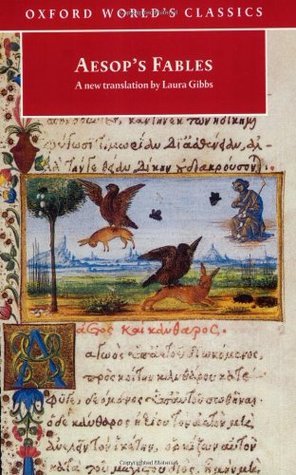
Title: Aesop’s Fables
Published: 561
Table of Contents
Aesop's Fables: A Timeless Collection of Moral Stories
Aesop's Fables, by the legendary author Aesop, has stood the test of time as one of the most beloved collections of moral stories in European culture. First published in 561, these fables have captivated readers for nearly two millennia with their timeless lessons and engaging storytelling. Aesop, a former slave who overcame his tongue-tied nature to become a master storyteller, has left an indelible mark on literature with his fables, which have been passed down through generations. In this article, we will explore the characters, summarize the stories, and provide an in-depth analysis of this classic collection.
Characters
The characters in Aesop's Fables are a diverse and colorful cast of animals, gods, and humans. From the cunning fox to the wise owl, each character embodies a different virtue or vice, allowing readers to easily identify with the moral lessons being imparted. Some of the most well-known characters include the tortoise and the hare, the boy who cried wolf, and the lion and the mouse. Through the interactions of these characters, Aesop cleverly weaves together a tapestry of stories that teach valuable lessons about honesty, courage, and kindness.
Summary
Aesop's Fables is a collection of over 600 short stories that use animals, gods, and humans to convey moral lessons. Each fable begins with a brief introduction, followed by a story that illustrates a specific virtue or vice. The fables are written in a simple and straightforward style, making them accessible to readers of all ages. Some of the most famous fables in the collection include "The Tortoise and the Hare," "The Fox and the Grapes," and "The Ant and the Grasshopper."
One of the recurring themes in Aesop's Fables is the consequences of one's actions. In many of the stories, characters are rewarded or punished based on their behavior, teaching readers the importance of making good choices. Through these timeless tales, Aesop imparts wisdom about honesty, kindness, and humility, encouraging readers to reflect on their own actions and decisions.
Analysis
Aesop's Fables has endured for centuries because of its universal themes and timeless lessons. The fables are deceptively simple on the surface, but contain layers of meaning that resonate with readers of all ages. By using animals and humans as characters, Aesop is able to
convey complex moral concepts in a relatable and engaging way.
One of the key strengths of Aesop's Fables is its ability to transcend cultural and temporal boundaries. The lessons contained in these stories are just as relevant today as they were in ancient times, making them a valuable resource for teaching moral values to children and adults alike. Whether read as bedtime stories or studied in a classroom setting, Aesop's Fables continue to inspire and educate readers around the world.
Final thoughts
To conclude, Aesop's Fables is a timeless collection of moral stories that have enriched the lives of countless readers over the centuries. The characters, stories, and lessons contained in this classic work continue to resonate with audiences of all ages, making it a must-read for anyone interested in literature, philosophy, or ethics. If you enjoyed this brief summary, I encourage you to explore the complete collection of Aesop's Fables to discover even more of the wisdom and wit of this legendary storyteller. Alternatively, you can listen to the audiobook version for a delightful and engaging experience that will bring these timeless tales to life.
9780192840509 (ISBN10: 0192840509)
Format: 352 pages, Paperback
Original Title: Aesopica
Edition: April 10, 2003 by Oxford University Press
The Girl Who Circumnavigated Fairyland in a Ship of Her Own Making Summary of Catherynne M. Valente's Book

Old Yeller Summary of Fred Gipson's Book

Fire and Ice Summary of Erin Hunter's Book

The Changeling Summary of Zilpha Keatley Snyder's Book

The Giving Tree Summary of Shel Silverstein's Book

Caddie Woodlawn Summary of Carol Ryrie Brink's Book
Related Books