

Against Nature Summary of Joris-Karl Huysmans's Book
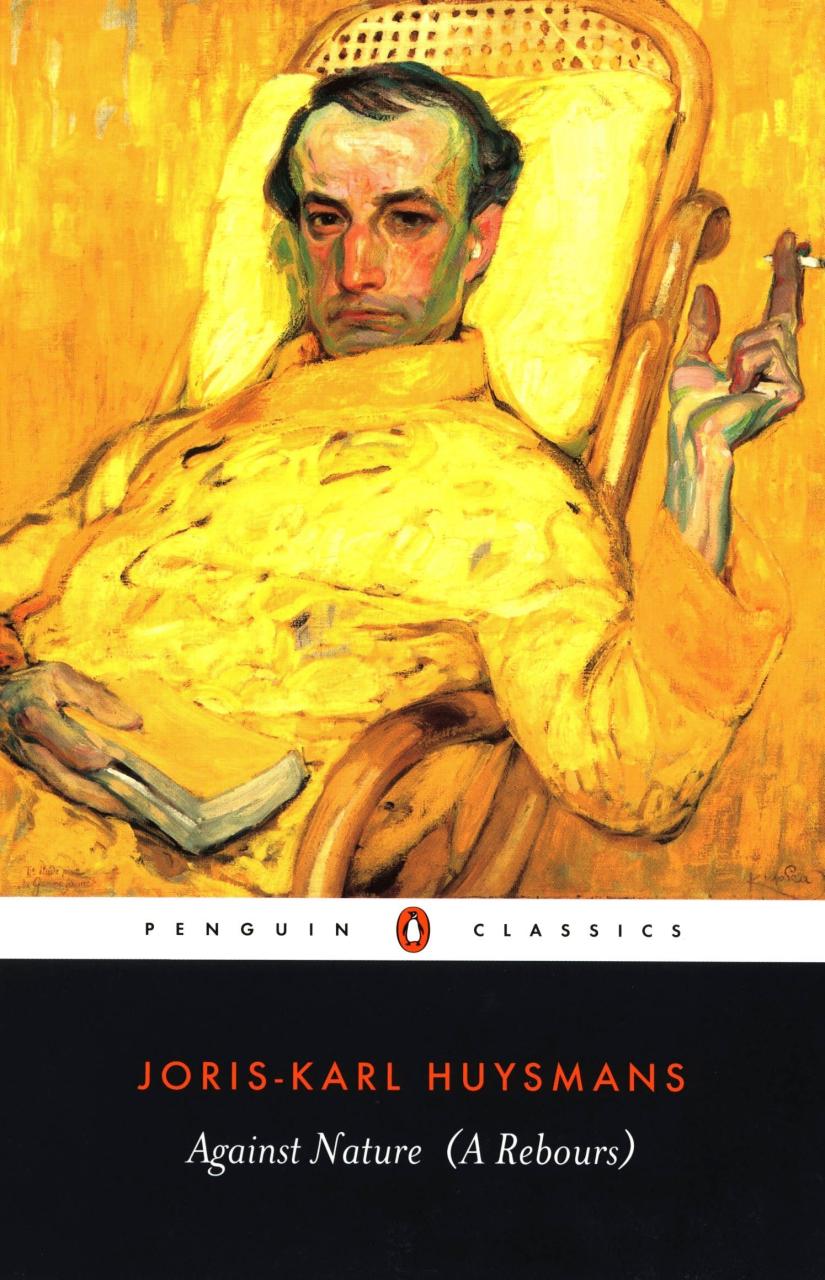
Title: Against Nature
Published: 1884
Table of Contents
Exploring Decadence and Excess in "Against Nature" by Joris-Karl Huysmans
Joris-Karl Huysmans' novel "Against Nature," also known as "Against The Grain," was first published on January 1, 1884, and remains a classic of French literature. This decadent and controversial work follows the character Jean Des Esseintes, a reclusive aristocrat who indulges in a life of luxury and excess. In this article, we will delve into the characters, provide a detailed summary, and offer an in-depth analysis of this groundbreaking novel.
Characters:
Jean Des Esseintes: The central character of the novel, Des Esseintes is a decadent aristocrat who retreats to an isolated villa to escape the society he finds vapid and uninspiring. He indulges in his aesthetic desires, seeking out rare and exquisite experiences to satisfy his extravagant tastes.
Detailed Summary:
"Against Nature" follows Des Esseintes as he navigates a world filled with opulence, art, and decadence. Struggling with both nervous excitability and profound ennui, he immerses himself in a world of excess. From indulging in classical literature and art to surrounding himself with rich perfumes and exotic jewels, Des Esseintes constantly seeks out new and exotic experiences to stimulate his senses.
One of the most memorable scenes in the novel involves Des Esseintes adorning the shell of his tortoise with precious jewels, only to tragically realize that the weight of the jewels is too much for the fragile creature to bear. This scene serves as a metaphor for the destructive nature of excess and the consequences of indulging in extreme luxury.
Throughout the novel, Des Esseintes grapples with his own desires, oscillating between a desire for sensory stimulation and a longing for solitude. His extravagant lifestyle ultimately leads him to question the meaning of existence and the purpose of life.
Extensive Analysis:
"Against Nature" is often regarded as the quintessential handbook of decadence, a genre that emerged in the late 19th century as a reaction against conventional morality and societal norms. Huysmans' novel explores themes of excess, aestheticism, and alienation, reflecting the decadence and disillusionment of the time.
Des Esseintes' retreat into a world of luxury and excess can be interpreted as a rejection of the materialism and conformity of mainstream society. Through his lavish lifestyle, he seeks to create his own reality, one that is detached from the banality of everyday life.
The novel's fragmented structure and detailed descriptions of art, literature, and sensory experiences create a rich tapestry of decadence and aestheticism. Huysmans' prose is lush and evocative, immersing the reader in Des Esseintes' extravagant world.
Overall, "Against Nature" is a powerful exploration of the human desire for beauty, pleasure, and meaning in a world that often seems lacking in these qualities. Huysmans' novel continues to captivate readers with its provocative themes and vivid imagery, cementing its status as a classic of French literature.
To conclude, "Against Nature" is a masterpiece of decadent literature that continues to fascinate and provoke readers to this day. If you enjoyed this brief summary, I highly recommend reading the complete novel to fully immerse yourself in Des Esseintes' world of excess and decadence.
So, whether you choose to delve into the pages of the original text or listen to the audiobook version, "Against Nature" is sure to leave a lasting impression on anyone who encounters it. Happy reading!
9780140447637 (ISBN10: 0140447636)
Format: 288 pages, Paperback
Original Title: À Rebours
Edition: February 24, 2004 by Penguin Classics
Swallows and Amazons Summary of Arthur Ransome's Book

The Moon Is a Harsh Mistress Summary of Robert A. Heinlein's Book

Franny and Zooey Summary of J.D. Salinger's Book

Tales of Ordinary Madness Summary of Charles Bukowski's Book

At the Mountains of Madness and Other Tales of Terror Summary of H.P. Lovecraft's Book

The Lover Summary of Marguerite Duras's Book
Related Books