

Agnes Grey Summary of Anne Brontë's Book
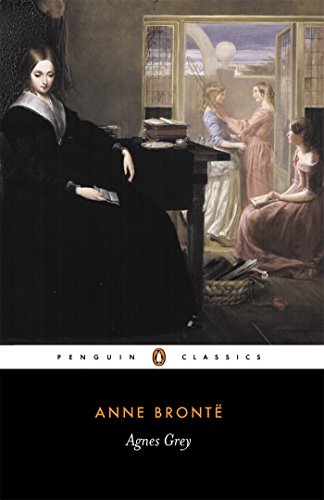
Title: Agnes Grey
Published: 1847
Table of Contents
Agnes Grey by Anne Brontë: A Tale of Resilience and Female Bravery
Agnes Grey, written by Anne Brontë and published in 1847, is a classic novel that delves into the life of a young governess in 19th Century England. Drawing from personal experiences, Brontë shines a light on the struggles and hardships faced by women in the role of governess, a position that was often fraught with abuse and exploitation. Through the character of Agnes Grey, Brontë explores themes of resilience, independence, and the fight for dignity in the face of adversity.
Characters
- Agnes Grey: The protagonist of the story, Agnes is a young governess who takes on the role in order to support her family after their financial downfall. She faces mistreatment and abuse from the families she works for, but she remains steadfast in her determination to maintain her integrity and sense of self-worth.
- Rosalie Murray: A wealthy and spoiled young woman who becomes Agnes' charge as a governess. Rosalie represents the frivolity and materialism of the upper class, contrasting with Agnes' more humble and moral character.
- Edward Weston: The love interest of Agnes Grey, Edward is a kind and compassionate man who sees beyond Agnes' social status and falls in love with her for her inner qualities.
- Nancy Brown: Agnes' close friend and confidante, Nancy provides emotional support and encouragement to Agnes throughout her struggles as a governess.
Detailed Summary
Agnes Grey, the youngest daughter of Richard Grey, takes on the position of governess to the children of a wealthy family in England in order to support her family financially. Despite her initial enthusiasm and determination, Agnes soon discovers the harsh realities of her role as a governess. The Bloomfield family, who she works for, mistreat and abuse her, making her life miserable.
Agnes then moves on to work for the Murray family, where she meets Rosalie, a vain and selfish young woman who embodies all the worst traits of the upper class. Agnes struggles to connect with Rosalie and is constantly reminded of the social divide between them.
Throughout her journey as a governess, Agnes faces numerous challenges and hardships, but she remains resolute in her commitment to uphold her dignity and principles. She finds solace in her friendship with Nancy Brown and eventually finds love and happiness in the form of Edward Weston.
Analysis
Agnes Grey is a poignant and powerful novel that sheds light on the plight of governesses in 19th Century England. Through the character of Agnes, Brontë challenges societal norms and expectations, advocating for the rights and dignity of women in a patriarchal society. The novel is a reflection of Brontë's own experiences as a governess and her belief in the strength and resilience of women in the face of adversity.
The prose of Agnes Grey is simple yet evocative, drawing readers into the world of the protagonist and allowing them to empathize with her struggles and triumphs. Brontë's exploration of class distinctions, gender roles, and moral integrity adds depth and complexity to the narrative, making it a timeless and enduring work of literature.
Final thoughts
Agnes Grey by Anne Brontë is a captivating and thought-provoking novel that explores the struggles and triumphs of a young governess in 19th Century England. Through the character of Agnes Grey, Brontë presents a powerful portrayal of resilience, independence, and the fight for dignity in the face of adversity. Readers who enjoy classic literature, feminist themes, and compelling character development will find much to love in this literary gem.
If you enjoyed this brief summary, we highly recommend purchasing the complete book or listening to the audiobook to fully immerse yourself in the world of Agnes Grey and experience the timeless themes and characters brought to life by Anne Brontë.
9780140432107 (ISBN10: 0140432108)
Format: 226 pages, Paperback
Original Title: Agnes Grey
Edition: January 3, 1989 by Penguin Books
Barchester Towers Summary of Anthony Trollope's Book

The Complete Poems of Emily Dickinson Summary of Emily Dickinson's Book

La Vampire Summary of Paul Féval père's Book

The Mayor of Casterbridge Summary of Thomas Hardy's Book

L'Assommoir Summary of Émile Zola's Book

Tales of Superstition and Chivalry Summary of Anne Bannerman's Book
Related Books