

All Quiet on the Western Front <div>Summary of Erich Maria Remarque's Book</div>
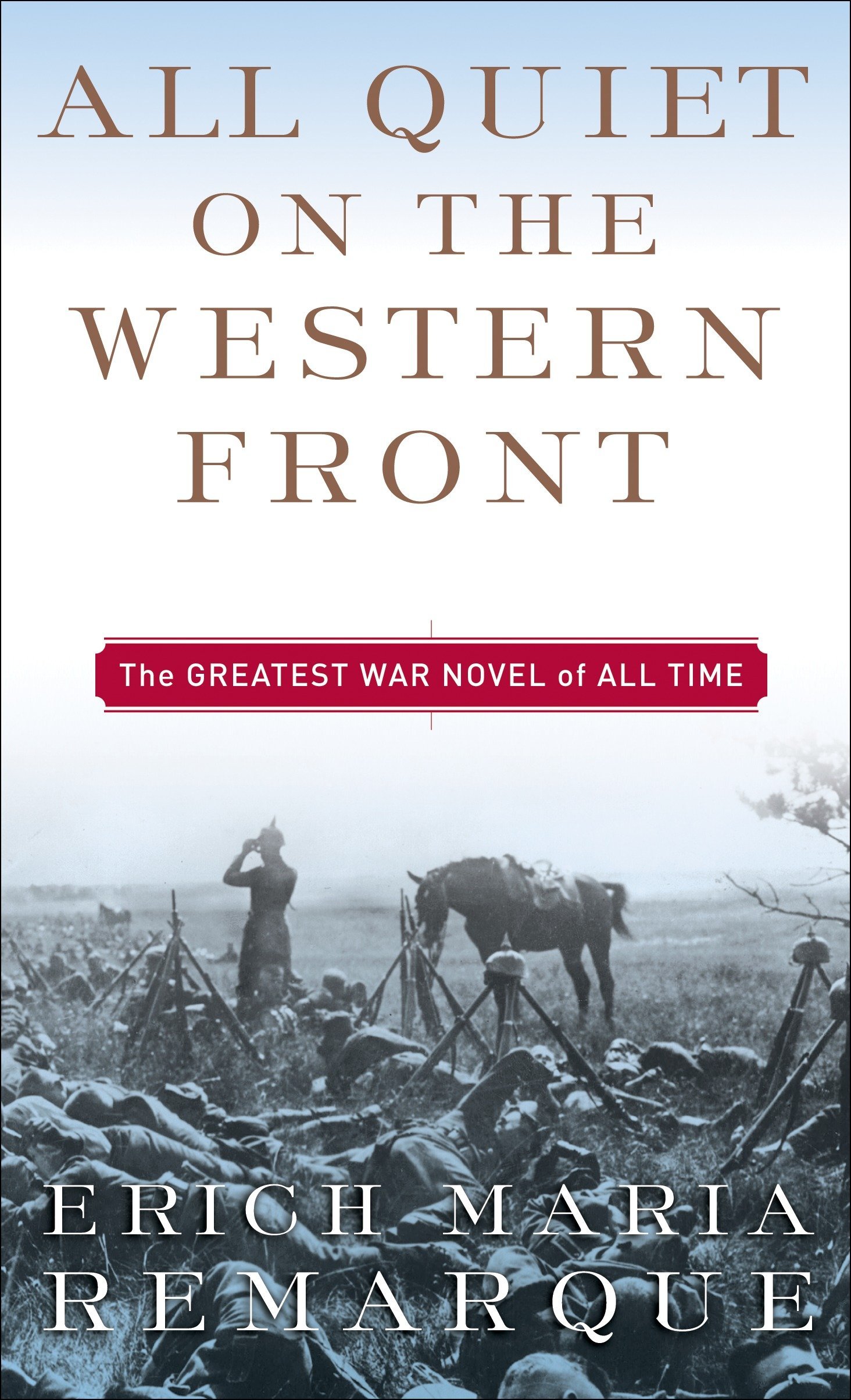
All Quiet on the Western Front/The Road Back #1
Title: All Quiet on the Western Front
Published: 1928
Table of Contents
All Quiet on the Western Front by Erich Maria Remarque - Book Summary
Erich Maria Remarque’s classic novel, All Quiet on the Western Front, is a powerful and poignant portrayal of the horrors of the First World War. First published in 1928, the book offers a stark and unflinching look at the devastating effects of war on the young men who fought in it. Through the eyes of the protagonist, Paul Bäumer, the novel explores the physical and psychological toll of the conflict, as well as the loss of innocence and idealism that accompanies it.
Characters
- Paul Bäumer: The novel’s protagonist, Paul is a young German soldier who is sent to the front lines of the war. Throughout the novel, he struggles with the brutal realities of warfare and the loss of his comrades.
- Albert Kropp: Paul’s close friend and fellow soldier, Albert is a critical thinker who questions the motives behind the war.
- Stanislaus Katczinsky: Known as Kat, he is an experienced soldier who serves as a mentor to Paul and the other young recruits.
- Erich Maria Remarque: The author of the novel, Remarque draws on his own experiences as a soldier in World War I to bring authenticity and depth to the story.
- Haie Westhus: Another member of Paul’s unit, Haie is a tough and resilient soldier who befriends Paul.
- Tjaden: A member of Paul’s unit who often clashes with authority figures due to his outspoken nature.
- Fredrich Müller: A soldier who grapples with the futility of the war and the loss of his ideals.
Detailed Summary
All Quiet on the Western Front follows Paul Bäumer and his classmates as they are recruited to fight in World War I. The novel begins with the boys filled with patriotism and excitement at the prospect of serving their country. However, as they face the brutal realities of trench warfare, their idealism is shattered.
One of the central themes of the novel is the dehumanizing nature of war. Paul and his comrades witness the horrors of battle, including the deaths of their friends and the suffering of civilians caught in the crossfire. As the war drags on, they become increasingly disillusioned with the patriotic fervor that initially drove them to enlist.
As Paul and his friends struggle to survive, they form close bonds that sustain them through the darkest moments of the war. They rely on each other for support and camaraderie, finding solace in their shared experiences of fear and loss. However, as the casualties mount and the war grinds on, even these connections are tested to their limit.
The novel reaches its climax with a devastating series of events that leave Paul alone and desolate. He is left to confront the senselessness of war and the profound emotional toll it has taken on him and his comrades. In the end, All Quiet on the Western Front stands as a powerful testament to the futility of war and the enduring human cost of conflict.
Analysis
All Quiet on the Western Front is a groundbreaking work that challenges the romanticized view of war that was prevalent in literature at the time. Remarque’s vivid and unflinching portrayal of the horrors of World War I offers a stark reminder of the human cost of conflict.
One of the novel’s strengths is its focus on the individual experiences of the soldiers, rather than the grand sweep of history. Through Paul’s eyes, we see the physical and psychological toll of war, as well as the personal bonds that form in the face of adversity. Remarque’s prose is spare and direct, capturing the brutal realities of trench warfare with unflinching clarity.
The novel also explores the themes of loss and disillusionment, as the young soldiers confront the harsh realities of war. Paul and his comrades struggle to make sense of the senseless violence that surrounds them, grappling with questions of morality and purpose. Their journey from eager recruits to jaded veterans is a poignant and poignant reflection of the human cost of war.
To conclude, All Quiet on the Western Front is a classic work of literature that continues to resonate with readers today. Its honest and unvarnished portrayal of the horrors of war is a powerful reminder of the enduring impact of conflict on the lives of those who experience it.
If you enjoyed this summary, I highly recommend picking up a copy of All Quiet on the Western Front to experience the full depth and power of Remarque’s timeless novel. Alternatively, you can also listen to the audiobook for a captivating and immersive experience.
Remember, war is hell, and All Quiet on the Western Front does not shy away from that reality. It is a book that will stay with you long after you turn the final page.
9780449213940 (ISBN10: 0449213943)
Format: 296 pages, Mass Market Paperback
Original Title: Im Westen nichts Neues
Edition: January 1, 1987 by Ballantine Books
Swallows and Amazons Summary of Arthur Ransome's Book

The Moon Is a Harsh Mistress Summary of Robert A. Heinlein's Book

Franny and Zooey Summary of J.D. Salinger's Book

Tales of Ordinary Madness Summary of Charles Bukowski's Book

At the Mountains of Madness and Other Tales of Terror Summary of H.P. Lovecraft's Book

The Lover Summary of Marguerite Duras's Book
Related Books