

Almost Transparent Blue Summary of Ryū Murakami's Book
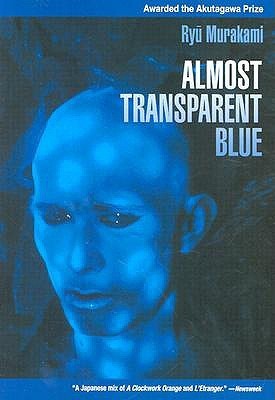
Title: Almost Transparent Blue
Published: 1976
Table of Contents
Almost Transparent Blue by Ryū Murakami: A Brutal Tale of Lost Youth
Ryū Murakami's debut novel, Almost Transparent Blue, published in 1976, is a compelling and gritty exploration of youth culture in Japan. Set in a port town near an American military base, the novel follows a group of friends as they navigate a world of sex, drugs, and rock 'n' roll. Murakami's unique narrative style, rich in vivid imagery and raw emotion, captures the intensity and despair of a generation lost in a cycle of self-destruction. Through its stark portrayal of alienation, boredom, and violence, Almost Transparent Blue offers a poignant reflection on the darker aspects of modern life.
Characters
The characters in Almost Transparent Blue are a diverse and dynamic group whose lives intersect in a whirlwind of hedonism and despair. The protagonist, a nameless young man, serves as the reader's guide through the chaotic world of the story. His disillusionment with his surroundings and his own actions mirrors the broader themes of the novel. Other key characters include his lover, a beautiful but troubled girl named Reiko, and his friends, who are equally lost in their pursuit of pleasure and meaning. Together, they form a tight-knit group bound by a shared sense of alienation and longing.
Detailed Summary
Almost Transparent Blue is a novel that defies traditional storytelling conventions, offering a fragmented narrative that immerses the reader in the sensory overload of the characters' experiences. The novel opens with the protagonist and his friends indulging in a drug-fueled party, setting the tone for the rest of the book. As the story unfolds, we witness a series of events that blur the line between reality and hallucination. From violent encounters with American soldiers to intimate moments of vulnerability, the characters' lives are a rollercoaster of highs and lows.
Throughout the novel, Murakami explores themes of isolation, disillusionment, and the search for meaning in a world devoid of purpose. The characters' pursuit of pleasure is ultimately hollow, leaving them empty and unfulfilled. Despite their wild escapades, they remain trapped in a cycle of passivity and self-destruction, unable to break free from the constraints of their own making. The beauty that emerges from their suffering is a strange and quiet one, offering a glimpse of hope amid the darkness.
Analysis
Almost Transparent Blue is a bold and provocative work that challenges conventional notions of Japanese literature. Murakami's unflinching portrayal of youth culture and its discontents offers a stark contrast to the introspective tone of postwar Japanese writing. By focusing on the raw and violent aspects of his characters' lives, Murakami pushes the boundaries of storytelling and invites readers to confront uncomfortable truths about the human experience.
The novel's fragmented structure mirrors the fragmented lives of its characters, creating a sense of disorientation and instability. This stylistic choice serves to underscore the chaos and confusion of the world the characters inhabit, as well as the emotional turmoil they grapple with. The vivid imagery and sensory detail in Murakami's writing further enhance the immersive quality of the narrative, drawing readers into a world that is as seductive as it is dangerous.
In Almost Transparent Blue, Murakami presents a damning critique of a society that values conformity over individuality, conformity over individuality, and consumerism over authentic connection. The characters' reckless behavior and self-destructive tendencies serve as a critique of the modern world's obsession with instant gratification and surface-level pleasure. By exposing the emptiness at the heart of their pursuits, Murakami challenges readers to reconsider their own values and priorities.
Final thoughts
Almost Transparent Blue is a powerful and thought-provoking novel that offers a unique perspective on the complexities of youth culture and the human condition. Murakami's vivid prose and compelling characters draw readers into a world that is at once familiar and alien, inviting them to reflect on the darker aspects of modern life. If you enjoy literary fiction that pushes boundaries and challenges conventions, Almost Transparent Blue is a must-read.
I highly recommend picking up a copy of Almost Transparent Blue to experience Ryū Murakami's compelling storytelling firsthand. Alternatively, you can listen to the audiobook version for a captivating auditory experience. Whichever format you choose, this novel is sure to leave a lasting impression and prompt further contemplation on the themes it explores.
9784770029041
Format: 126 pages, Paperback
Original Title: 限りなく透明に近いブルー [Kagirinaku Tōmei ni Chikai Burū]
Edition: April 11, 2003 by Kodansha USA
The Storied Life of A.J. Fikry Summary of Gabrielle Zevin's Book

The Hating Game Summary of Sally Thorne's Book

Den of Vipers Summary of K.A. Knight's Book

Our Chemical Hearts Summary of Krystal Sutherland's Book

The Smoke Jumper Summary of Nicholas Evans's Book

Bloom Summary of Elizabeth Scott's Book
Related Books