

Are We Smart Enough to Know How Smart Animals Are? Summary of Frans de Waal's Book
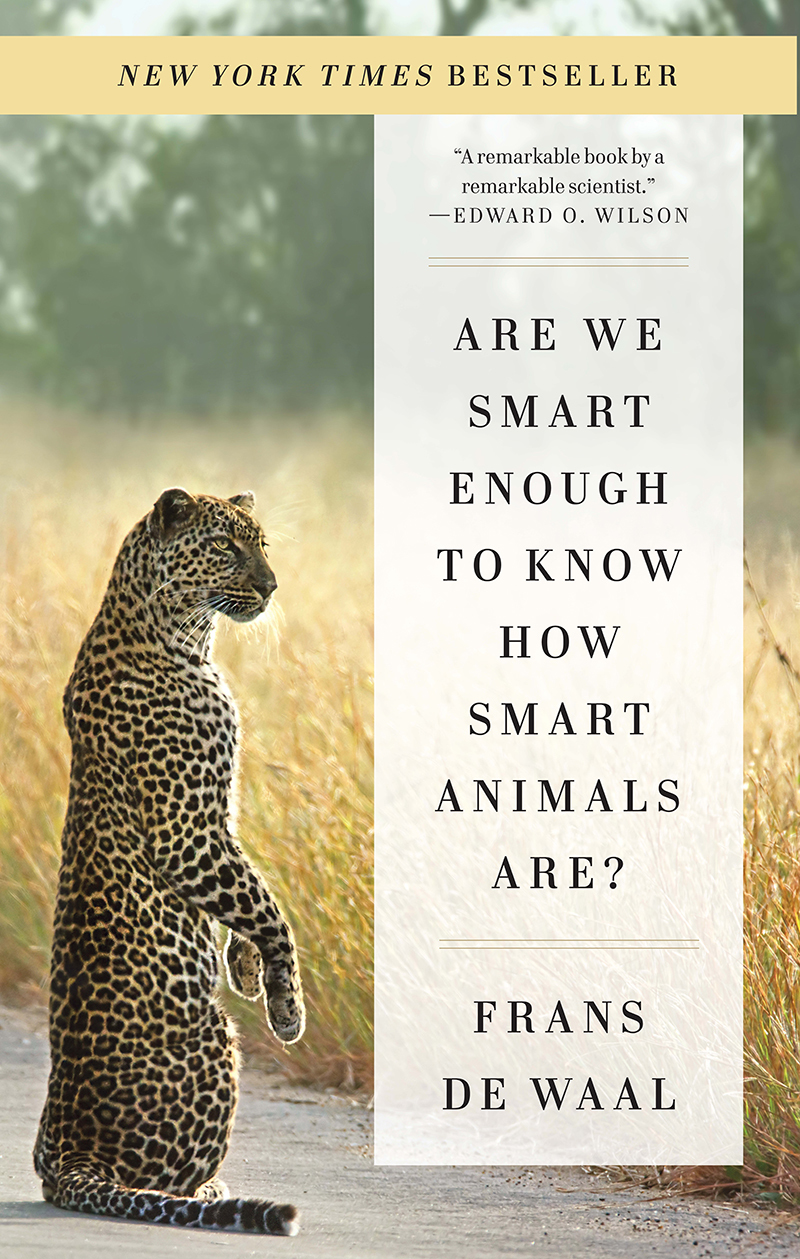
Title: Are We Smart Enough to Know How Smart Animals Are?
Published: 2016
Table of Contents
Are We Smart Enough to Know How Smart Animals Are? by Frans de Waal: Book Summary and Analysis
In the riveting book, Are We Smart Enough to Know How Smart Animals Are?, Frans de Waal delves deep into the intricacies of animal cognition. Published on January 1, 2016, this nonfiction masterpiece challenges our preconceived notions about animal intelligence. De Waal explores a diverse array of species, including crows, dolphins, parrots, sheep, wasps, bats, chimpanzees, and bonobos, to shed light on the remarkable intelligence and behavior exhibited by these creatures.
Through a captivating blend of research, anecdotes, and insights, de Waal compels readers to reconsider the ways in which we perceive and interact with animals. By the end of the book, you will undoubtedly come away with newfound respect and appreciation for the intelligence of our animal counterparts.
Characters
While Are We Smart Enough to Know How Smart Animals Are? does not feature traditional characters in the way a fictional work does, the real-life subjects discussed by Frans de Waal are no less fascinating and compelling. From the highly social chimpanzees and bonobos to the resourceful octopuses and clever crows, each species highlighted in the book showcases unique cognitive abilities and behaviors that challenge our understanding of animal intelligence.
One of the standout characters in the book is the young male chimpanzee at Kyoto University, whose flash memory outperforms that of humans. This chimpanzee's remarkable abilities not only astound researchers but also prompt us to reconsider the cognitive prowess of animals in comparison to humans.
Detailed Summary
In Are We Smart Enough to Know How Smart Animals Are?, Frans de Waal takes readers on a captivating journey through the realm of animal cognition. Each chapter of the book delves into a different species, offering insights into their intelligence, problem-solving skills, social behaviors, and emotional capacities.
From the complex social structures of chimpanzees and bonobos to the tool-using capabilities of octopuses and the communication skills of parrots, de Waal provides a comprehensive overview of the diverse ways in which animals demonstrate their intelligence. The author encourages readers to move beyond traditional measures of intelligence and appreciate the unique cognitive abilities of each species.
Throughout the book, de Waal challenges the notion that humans are the only intelligent beings on the planet. He presents compelling evidence of animal cognition, highlighting instances of problem-solving, social cooperation, and emotional connections that rival, and in some cases surpass, those seen in humans. By the end of the book, readers are left with a deep appreciation for the richness and complexity of animal minds.
Analysis
Frans de Waal's Are We Smart Enough to Know How Smart Animals Are? is a groundbreaking work that forces us to reconsider our assumptions about animal intelligence. By drawing on a wealth of research and anecdotes, de Waal presents a compelling case for the cognitive abilities of animals across a wide range of species.
One of the key takeaways from the book is the importance of recognizing and respecting the intelligence of animals. By acknowledging their cognitive capacities, we can better understand and appreciate the capabilities of species beyond our own. De Waal's work challenges us to view animals not as mere automatons but as thinking, feeling beings with their own unique abilities and perspectives.
Moreover, the book underscores the interconnectedness of all living beings. By highlighting the similarities in cognition and behavior between humans and animals, de Waal emphasizes the need for compassion and empathy towards our non-human counterparts. This message is particularly pertinent in a time when environmental destruction and habitat loss threaten the survival of many animal species.
To conclude, Are We Smart Enough to Know How Smart Animals Are? is a thought-provoking and insightful book that will change the way you perceive the natural world. Whether you are an animal lover, a science enthusiast, or simply curious about the intelligence of non-human beings, this book is sure to captivate and enlighten you.
Final Thoughts
If you were intrigued by the excerpts and insights shared in this article, I highly recommend purchasing the complete book, Are We Smart Enough to Know How Smart Animals Are?, by Frans de Waal. Delve deeper into the fascinating world of animal cognition and discover the remarkable intelligence of our non-human counterparts. Alternatively, you can listen to the audiobook for a captivating auditory experience that will enrich your understanding of animal minds.
Remember, the more we learn about the intelligence of animals, the more we can appreciate and protect the diversity of life on our planet. So dive into this compelling exploration of animal cognition and be prepared to be amazed by the extraordinary capabilities of our animal friends.
9780393353662 (ISBN10: 0393353664)
Format: 275 pages, Paperback
Original Title: Are We Smart Enough to Know How Smart Animals Are?
Edition: April 4, 2017 by W. W. Norton & Company
Go, Dog. Go! Summary of P.D. Eastman's Book

If You Give a Moose a Muffin Summary of Laura Numeroff's Book

We Are All Completely Beside Ourselves Summary of Karen Joy Fowler's Book

Black Beauty Summary of Anna Sewell's Book

Loamhedge Summary of Brian Jacques's Book

The Yearling Summary of Marjorie Kinnan Rawlings's Book
Related Books