

Austerlitz Summary of W.G. Sebald's Book
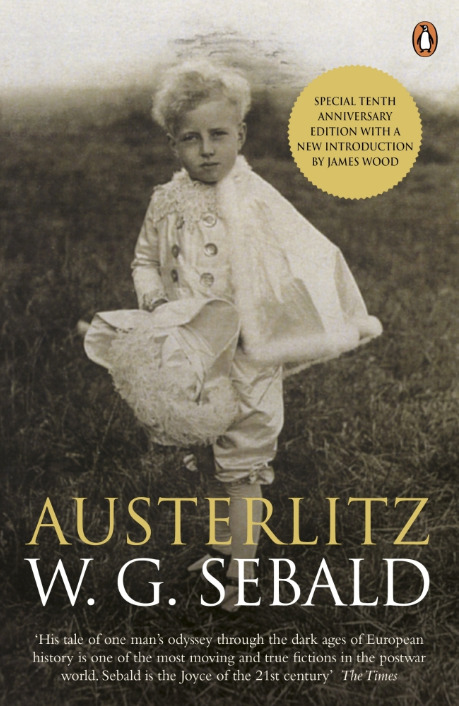
Title: Austerlitz
Published: 2001
Table of Contents
Exploring the Depths of Memory and Identity in Austerlitz by W.G. Sebald
An Introduction to Austerlitz
When it comes to thought-provoking and evocative novels, W.G. Sebald's Austerlitz stands out as one of the most profound and captivating works in modern literature. First published on November 1, 2001, Austerlitz delves into the complexities of memory, trauma, and identity within the context of 20th-century Europe. Classified under the genres of Fiction, Historical Fiction, and German Literature, this novel takes readers on a mesmerizing journey through time and space, unravelling the enigmatic life of its protagonist, Jacques Austerlitz.
Exploring the Characters of Austerlitz
At the heart of Austerlitz lies the enigmatic figure of its titular character, Jacques Austerlitz. As a small child who arrives in England on a Kindertransport in 1939, Austerlitz is left with little knowledge of his true origins, raised by a Welsh Methodist minister and his wife. It is only in his later years that Austerlitz begins to grapple with the hazy memories of his past, embarking on a poignant journey to uncover the secrets of his heritage.
A Detailed Summary of Austerlitz
Austerlitz unravels a narrative that weaves together the disparate threads of memory and history, illuminating the dark shadows cast by the trauma of the past. At its core, the novel follows Jacques Austerlitz as he delves into his past, tracing his roots back to a world left behind half a century ago. As he confronts the void at the heart of 20th-century Europe, Austerlitz grapples with the profound implications of his heritage, struggling to prevent it from fading into oblivion.
An Extensive Analysis of Austerlitz
Sebald's Austerlitz is a haunting meditation on the elusive nature of memory and the enduring impact of historical trauma. Through its intricate narrative structure and lyrical prose, the novel invites readers to contemplate the intricate interplay between personal recollections and collective history. As Austerlitz navigates the labyrinth of his past, he unearths profound truths about loss, longing, and the enduring legacy of the past on the present.
In Austerlitz, Sebald masterfully blurs the boundaries between fiction and reality, seamlessly blending elements of autobiography, history, and philosophy. The novel's distinctive style, characterized by its meandering sentences, dreamlike imagery, and evocative photographs, creates a sense of dislocation that mirrors the fragmented nature of memory itself. Through Austerlitz's introspective journey, Sebald invites readers to reflect on the intricate tapestry of identity woven from the threads of memory, trauma, and history.
Experience the Enigmatic World of Austerlitz
For those who appreciate literary works that challenge and provoke, Austerlitz is a must-read. Delve into the mesmerizing world of Jacques Austerlitz as he navigates the complexities of memory, identity, and history in a narrative that is as haunting as it is illuminating. Immerse yourself in Sebald's masterful prose and discover the profound depths of Austerlitz's journey through the tumultuous landscape of 20th-century Europe.
To fully appreciate the rich tapestry of themes and emotions woven into Austerlitz, consider purchasing the complete book or listening to the audiobook for an immersive and unforgettable literary experience. Austerlitz is a timeless masterpiece that will resonate with readers long after they have turned the final page.
9780140297997 (ISBN10: 0140297995)
Format: 415 pages, Paperback
Original Title: Austerlitz
Edition: July 4, 2002 by Penguin Books Ltd
Peak Summary of Roland Smith's Book

Assassin's Quest Summary of Robin Hobb's Book

The Absolute Sandman, Volume 1 Summary of Neil Gaiman's Book

The Narrow Road to the Deep North Summary of Richard Flanagan's Book

The Girls in the Garden Summary of Lisa Jewell's Book

Boyfriend Material Summary of Alexis Hall's Book
Related Books