

Auto-da-Fé Summary of Elias Canetti's Book
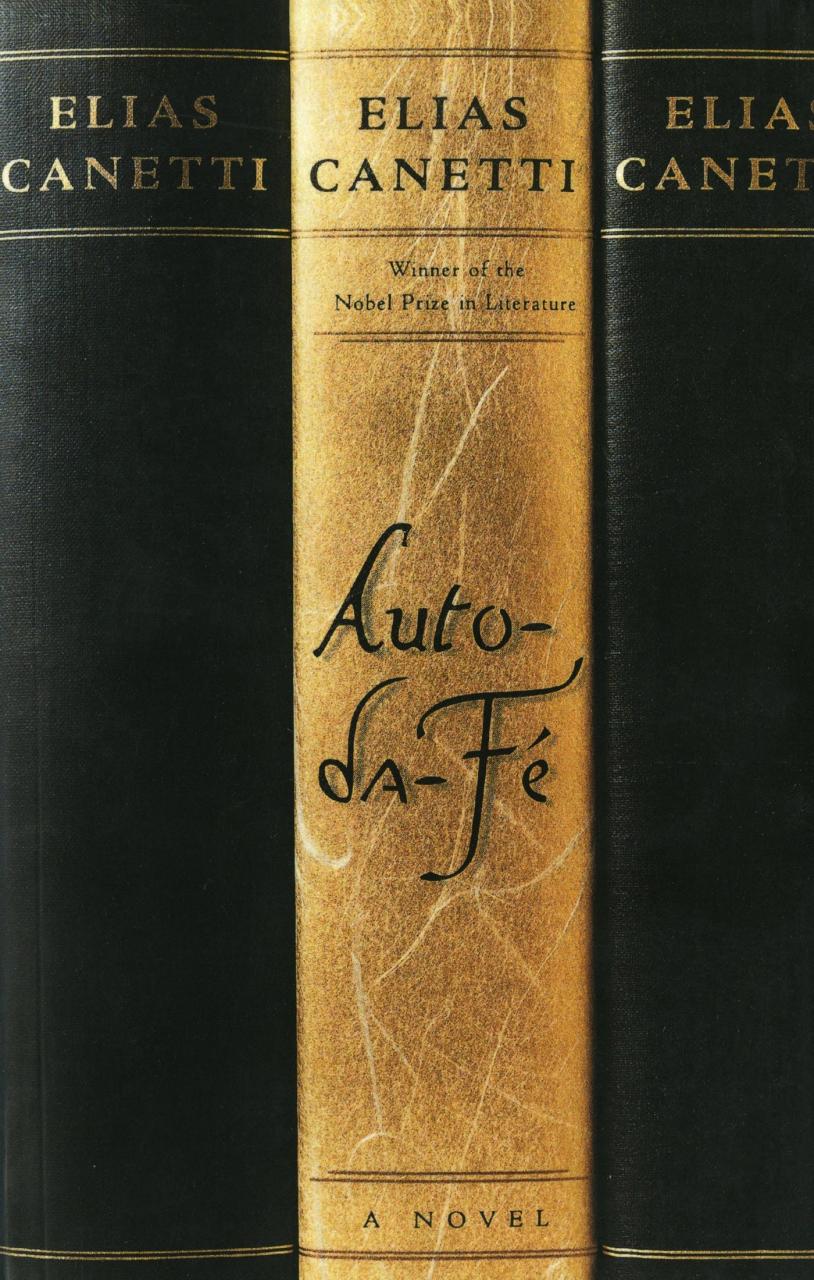
Title: Auto-da-Fé
Published: 1935
Table of Contents
Exploring the Depths of Isolation and Madness: A Review of "Auto-da-Fé" by Elias Canetti
Elias Canetti's "Auto-da-Fé," originally published in 1935 as "Die Blendung," is a haunting exploration of the descent of a reclusive sinologist, Peter Kien, into madness. Set in Vienna between the wars, the novel delves deep into the complexities of human relationships and the destructive power of isolation. With its intricate portrayal of a man consumed by his passion for books and undone by those closest to him, "Auto-da-Fé" remains a timeless classic in the realms of fiction, German literature, and classics.
Character Analysis
The central character of "Auto-da-Fé," Peter Kien, is a sinologist known for his scholarly achievements and his impressive library. He is a man obsessed with knowledge, fixated on his books as the sole source of true understanding in a world he views as chaotic and meaningless. However, his intellectual pursuits lead him to reject human connection, resulting in a profound sense of isolation and detachment from reality. Kien's vulnerability is exploited by his housekeeper, Therese, and the concierge, Benedikt Pfaff, leading him into a downward spiral of deceit and manipulation.
Therese is a conniving and illiterate woman who tricks Kien into marriage, exploiting his intellectual superiority for her own gain. She serves as the catalyst for Kien's ultimate downfall, manipulating him with her cunning ways and driving him further into madness. Benedikt Pfaff, the brutish concierge of Kien's building, adds to the tangled web of deception surrounding the sinologist. His brute force and menacing presence exacerbate Kien's sense of vulnerability and helplessness, pushing him to the brink of insanity.
Detailed Summary
In "Auto-da-Fé," Canetti meticulously unravels the story of Peter Kien's descent into madness. Manipulated by Therese and Benedikt Pfaff, Kien is expelled from his apartment, which houses his beloved library. Forced into the dark underbelly of Vienna, he encounters a malevolent chess-playing dwarf who guides him through his trials and tribulations. Eventually, Kien is able to reclaim his home, only to face further challenges as his brother, a renowned psychiatrist, misdiagnoses him, leading to a catastrophic chain of events that culminate in tragic consequences.
The novel's title, "Auto-da-Fé," serves as a metaphor for the burning of Kien's intellectual and emotional faculties, symbolizing his descent into madness and self-destruction. Canetti masterfully crafts a narrative that blurs the lines between reality and delusion, inviting readers to question the nature of truth and perception. Through Kien's unraveling, Canetti explores themes of isolation, manipulation, and the fragility of the human psyche, painting a harrowing portrait of a man consumed by his own obsessions.
Analysis
"Auto-da-Fé" stands as a timeless masterpiece of literature, showcasing Canetti's profound insight into the human condition. The novel's exploration of isolation, madness, and the power dynamics inherent in personal relationships resonates as strongly today as it did upon its initial publication. Canetti's vivid prose and keen observations draw readers into Kien's world, immersing them in the character's tumultuous journey towards self-destruction.
Through Kien's character, Canetti delves into the complexities of intellectualism and isolation, highlighting the dangers of retreating into a world of one's own making. Kien's ultimate downfall serves as a cautionary tale, a stark reminder of the consequences of forsaking human connection for intellectual pursuits. Canetti's ability to weave a narrative that is both thrilling and thought-provoking sets "Auto-da-Fé" apart as a work of enduring significance in the literary canon.
Final thoughts
To conclude, "Auto-da-Fé" by Elias Canetti is a breathtaking exploration of the depths of isolation and madness. Through the character of Peter Kien, Canetti illuminates the fragility of the human psyche and the destructive power of obsession. This timeless classic continues to captivate readers with its haunting portrayal of a man consumed by his own intellect and driven to the brink of insanity. If you enjoy thought-provoking fiction that challenges your perceptions of reality, "Auto-da-Fé" is a must-read.
If you found this summary intriguing, consider purchasing the complete book to immerse yourself fully in Canetti's rich narrative. Alternatively, you can experience the story through the audiobook version for a unique listening experience. Dive into the world of "Auto-da-Fé" and discover the profound depths of human emotion and intellect woven into Canetti's masterful prose.
9780374518790 (ISBN10: 0374518793)
Format: 464 pages, Paperback
Original Title: Die Blendung
Edition: December 1, 1984 by Farrar, Straus and Giroux
Swallows and Amazons Summary of Arthur Ransome's Book

The Moon Is a Harsh Mistress Summary of Robert A. Heinlein's Book

Franny and Zooey Summary of J.D. Salinger's Book

Tales of Ordinary Madness Summary of Charles Bukowski's Book

At the Mountains of Madness and Other Tales of Terror Summary of H.P. Lovecraft's Book

The Lover Summary of Marguerite Duras's Book
Related Books