

Bomb: The Race to Build—and Steal—the World's Most Dangerous Weapon <div>Summary of Steve Sheinkin's Book</div>
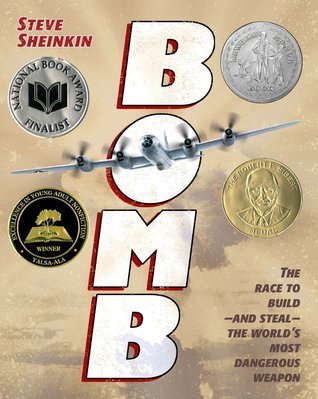
Title: Bomb: The Race to Build—and Steal—the World's Most Dangerous Weapon
Published: 2012
Table of Contents
The Race to Build—and Steal—the World's Most Dangerous Weapon
Bomb: The Race to Build—and Steal—the World's Most Dangerous Weapon is a captivating nonfiction book written by Steve Sheinkin. First published on September 4, 2012, this riveting historical account delves into the intense competition among scientists and spies during World War II to develop the atomic bomb. With its intricate storyline and dynamic characters, Bomb takes readers on a thrilling journey through the secret laboratories and covert operations that ultimately led to one of the most significant scientific breakthroughs in history.
Characters:
The story of Bomb revolves around a diverse cast of characters, each playing a crucial role in the development of the atomic bomb. Key figures include:
- J. Robert Oppenheimer: A brilliant physicist who headed the Manhattan Project, the top-secret mission to build the first atomic bomb.
- Klaus Fuchs: A German-born physicist who worked as a spy for the Soviet Union, passing along valuable information about the atomic bomb project.
- Harry Gold: A courier for the Soviet spy network who facilitated the transfer of classified information.
- Leslie Groves: The military general in charge of overseeing the construction of the atomic bomb.
- Werner Heisenberg: A renowned German physicist who led the Nazi nuclear research program.
These characters, along with many others, bring the gripping narrative of Bomb to life, showcasing the high stakes and ethical dilemmas that accompanied the race to harness the power of the atom.
Detailed Summary:
In Bomb, Steve Sheinkin meticulously chronicles the scientific breakthroughs, espionage tactics, and military strategies that shaped the development of the atomic bomb. The story begins in December 1938, when German chemist Otto Hahn discovers nuclear fission, setting off a chain reaction of discoveries and innovations in laboratories across the globe. As the threat of war looms, scientists in Great Britain, the United States, and the Soviet Union race to unlock the secrets of nuclear physics while intelligence agents engage in high-stakes espionage to gain a competitive edge.
The narrative shifts between various plotlines, from the daring commando raids on German heavy-water facilities in Norway to the covert efforts of Soviet spies to infiltrate the Manhattan Project. Against the backdrop of escalating hostilities and international intrigue, the scientists at Los Alamos embark on a top-secret mission to construct the world's first atomic bomb. Led by J. Robert Oppenheimer and General Leslie Groves, this diverse team of experts must grapple with the ethical implications of their groundbreaking work while racing against the clock to beat the Axis powers to the finish line.
As tensions mount and the stakes grow ever higher, Bomb culminates in the dramatic test detonation of the atomic bomb in the New Mexico desert. The harrowing aftermath of this momentous event underscores the destructive power of science and the moral dilemmas inherent in harnessing such devastating weaponry.
Analysis:
Bomb offers a nuanced exploration of the complex forces at play during World War II, shedding light on the intersection of science, politics, and morality in the quest for military superiority. Sheinkin skillfully navigates the intricate web of espionage and scientific discovery, weaving together multiple narratives to create a comprehensive and engaging account of the race to build the atomic bomb.
One of the book's greatest strengths lies in its portrayal of the human side of history, showcasing the personalities and motivations of the individuals involved in this monumental undertaking. By humanizing the scientists, spies, and military leaders at the heart of the story, Sheinkin brings a sense of depth and empathy to their struggles and triumphs, highlighting the personal sacrifices and ethical quandaries that accompanied their pursuit of scientific progress.
Moreover, Bomb raises thought-provoking questions about the ethical implications of scientific advancements and the role of individuals in shaping the course of history. Through its meticulous research and vivid storytelling, the book challenges readers to consider the weighty consequences of technological innovation and the importance of moral responsibility in the pursuit of knowledge.
Final thoughts
To conclude, Bomb is a riveting and thought-provoking exploration of the race to build the atomic bomb during World War II. With its compelling characters, intricate plotlines, and ethical dilemmas, this book offers readers a gripping glimpse into one of the most significant scientific endeavors of the 20th century. Whether you're a history buff, a science enthusiast, or simply a fan of captivating storytelling, Bomb is sure to captivate and enlighten audiences of all ages.
If you enjoyed this summary, be sure to pick up a copy of Bomb by Steve Sheinkin or listen to the audiobook for an immersive and engaging experience that will leave you pondering the power of human ingenuity and the enduring impact of historical events.
9781596434875 (ISBN10: 1596434872)
Format: 266 pages, Hardcover
Original Title: Bomb: The Race to Build—and Steal—the World's Most Dangerous Weapon
Edition: September 4, 2012 by Flash Point
Going Clear: Scientology, Hollywood, and the Prison of Belief Summary of Lawrence Wright's Book

The Omnivore's Dilemma: A Natural History of Four Meals Summary of Michael Pollan's Book

The Power Broker: Robert Moses and the Fall of New York Summary of Robert A. Caro's Book

Truman Summary of David McCullough's Book

The Decline and Fall of the Roman Empire Summary of Edward Gibbon's Book

Flags of Our Fathers Summary of James D. Bradley's Book
Related Books