

Brave New World Summary of Aldous Huxley's Book
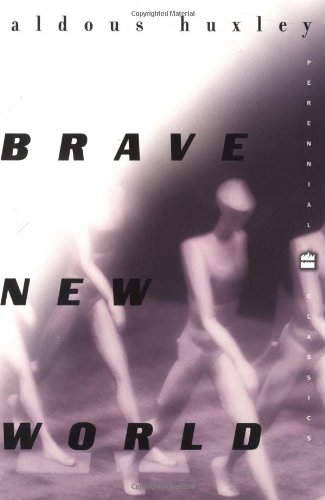
Title: Brave New World
Published: 1932
Table of Contents
Exploring the Dystopian World of "Brave New World" by Aldous Huxley
An Introduction to a Brave New World
Considered a classic in the genres of Fiction and Science Fiction, "Brave New World" by Aldous Huxley was first published on January 1, 1932. Set in a futuristic world where technology and genetic engineering dominate every aspect of society, the novel delves into themes of conformity, individuality, and the price of technological advancement. Huxley's insightful exploration of these themes continues to resonate with readers today, making "Brave New World" a timeless piece of literature.
Meet the Characters
The characters in "Brave New World" are diverse and complex, each playing a crucial role in the development of the story. From the rebellious John to the disillusioned Bernard Marx, each character brings a unique perspective to the novel. Some of the key characters include:
- John (Brave New World): Also known as the Savage, John is a central character who struggles with the societal norms of the World State.
- Bernard Marx: A discontented Alpha-Plus who challenges the rules and restrictions of society.
- Lenina Crowne: A Beta who works at the Hatchery and Conditioning Centre, Lenina becomes involved in a tumultuous relationship with Bernard.
- Helmholtz Watson: An Alpha-Plus who is dissatisfied with his life and seeks greater meaning.
- Mustapha Mond: The World Controller who enforces the rigid social structure of the society.
- Linda: John's mother who becomes an outcast in the World State.
- The Director: The authoritarian figure who oversees the Hatchery and Conditioning Centre.
- The Warden, Pope, Fanny Crowne, and The Arch-Community Songster: Other characters who play significant roles in the narrative.
A Detailed Summary
Set in a futuristic society where humans are genetically engineered and conditioned to fit into specific social classes, "Brave New World" follows the experiences of John, a young man raised in a traditional, isolated community outside of the World State. When John is introduced to the highly technological and regimented society of the World State, he struggles to reconcile his beliefs with the conformity and superficiality of the new world.
As John navigates this new society, he forms relationships with Bernard Marx, Lenina Crowne, and Helmholtz Watson, each of whom challenges the status quo in their own way. Together, they confront the oppressive social order and question the ethical implications of genetic engineering and social conditioning. Through their interactions, Huxley explores themes of free will, individuality, and the consequences of sacrificing personal autonomy for societal stability.
An Extensive Analysis
Aldous Huxley's "Brave New World" is a thought-provoking exploration of the dangers of a technologically advanced society that prioritizes conformity over individuality. Through his depiction of a world where humans are engineered and controlled from birth, Huxley raises important questions about the nature of freedom, identity, and the role of technology in shaping human behavior.
The novel serves as a cautionary tale about the potential consequences of sacrificing personal autonomy for the sake of social order and stability. Huxley's portrayal of a world where pleasure and consumerism are used to control the masses resonates with contemporary concerns about the impact of mass entertainment, technology, and pharmaceuticals on society.
As readers follow John's journey through the World State, they are forced to confront uncomfortable truths about human nature and the power dynamics that shape our lives. By delving into the complexities of human psychology and societal structures, Huxley challenges us to consider the ethical implications of technological advancement and the importance of preserving individual freedom in the face of oppressive systems.
Final thoughts
To conclude, "Brave New World" by Aldous Huxley is a captivating and thought-provoking novel that continues to captivate readers with its exploration of futuristic themes and timeless moral questions. Whether you are a fan of science fiction or classic literature, this novel offers a compelling glimpse into a world shaped by technology, conformity, and the complexities of human nature.
If you enjoyed this summary, I highly recommend purchasing the complete book or listening to the audiobook to delve deeper into the intricacies of "Brave New World" and experience the full impact of Huxley's visionary storytelling. Don't miss out on the opportunity to explore this dystopian masterpiece and reflect on its relevance to our contemporary society.
9780060929879 (ISBN10: 0060929871)
Format: 268 pages, Paperback
Original Title: Brave New World
Edition: January 1, 1998 by HarperPerennial / Perennial Classics
Swallows and Amazons Summary of Arthur Ransome's Book

The Moon Is a Harsh Mistress Summary of Robert A. Heinlein's Book

Franny and Zooey Summary of J.D. Salinger's Book

Tales of Ordinary Madness Summary of Charles Bukowski's Book

At the Mountains of Madness and Other Tales of Terror Summary of H.P. Lovecraft's Book

The Lover Summary of Marguerite Duras's Book
Related Books