

Child of All Nations Summary of Pramoedya Ananta Toer's Book
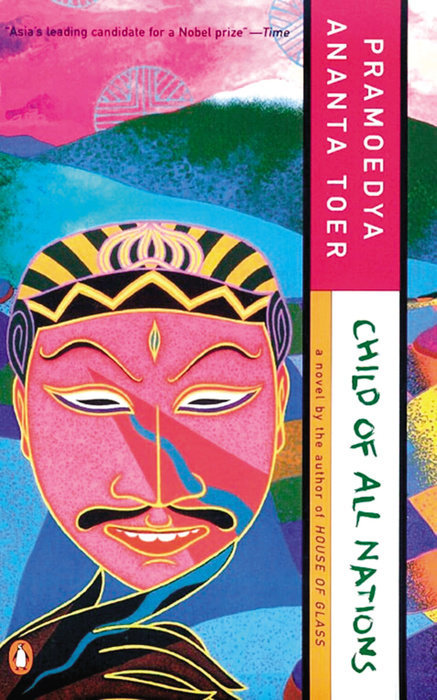
Tetralogi Buru #2
Title: Child of All Nations
Published: 1975
Table of Contents
Child of All Nations by Pramoedya Ananta Toer: A Riveting Tale of Injustice and Awakening
Child of All Nations by Pramoedya Ananta Toer, part of the Tetralogi Buru series, is a captivating historical fiction novel that delves deep into the cultural whirlpool of the Dutch East Indies in the 1890s. First published on January 1, 1975, this book masterfully combines elements of feminism, anti-colonialism, love, suspense, and fury. As the second installment in the series, Child of All Nations continues the story of Minke, the main character of This Earth of Mankind, as he navigates the injustices of his time.
Characters
Minke: The protagonist of the novel, Minke is a young Javanese man who is determined to overcome the injustices that plague his society. As a Mixed-Race individual, he faces unique challenges and struggles throughout the book.
Nyai Ontosoroh: Nyai Ontosoroh is Minke's fragile Mixed-Race wife who plays a significant role in the story. Her character adds depth and complexity to the narrative, showcasing the struggles of marginalized individuals in colonial society.
Khouw Ah Soe: Khouw Ah Soe is a young Chinese revolutionary who becomes intertwined with Minke's life. His presence in the story adds a layer of political intrigue and activism that drives the plot forward.
Detailed Summary
Child of All Nations immerses readers in the rich tapestry of the Dutch East Indies, painting a vivid picture of its tumultuous political and social landscape. The story follows Minke as he grapples with the injustices around him, including discrimination, oppression, and colonial rule. As Minke navigates his way through a world filled with turmoil and unrest, he encounters a diverse cast of characters who each play a critical role in shaping his destiny. From Nyai Ontosoroh to Khouw Ah Soe, each individual brings a unique perspective to the narrative, highlighting the interconnectedness of their lives.
As the plot unfolds, readers are taken on a journey of awakening, as Minke confronts the harsh realities of his society and strives to effect change. The themes of love, betrayal, and resistance are woven throughout the narrative, creating a compelling and thought-provoking story that resonates with readers long after the final page is turned.
Analysis
Pramoedya Ananta Toer's literary genius shines through in Child of All Nations, as he expertly weaves together historical facts with fictional elements to create a compelling narrative. The characters in the novel are deeply nuanced and multi-dimensional, capturing the complexities of life in the Dutch East Indies during the 1890s. Through his vivid descriptions and powerful storytelling, Toer brings to life a world that is as captivating as it is heartbreaking.
The themes of feminism and anti-colonialism are central to the novel, as Toer sheds light on the struggles faced by marginalized individuals in a society dominated by oppressive colonial powers. His sharp social commentary and poignant portrayal of injustice make Child of All Nations a powerful and important work of fiction that continues to resonate with readers today.
Final thoughts
To conclude, Child of All Nations is a must-read for anyone interested in historical fiction, feminism, or anti-colonialism. Pramoedya Ananta Toer's masterful storytelling and compelling characters make this novel a standout in the Tetralogi Buru series. If you enjoyed this book or are intrigued by its themes, I highly recommend purchasing the complete novel or listening to the audiobook to experience the full depth and richness of Toer's narrative.
9780140256338 (ISBN10: 0140256334)
Format: 352 pages, Paperback
Original Title: Anak Semua Bangsa
Edition: May 1, 1996 by Penguin Books
Peak Summary of Roland Smith's Book

Assassin's Quest Summary of Robin Hobb's Book

The Absolute Sandman, Volume 1 Summary of Neil Gaiman's Book

The Narrow Road to the Deep North Summary of Richard Flanagan's Book

The Girls in the Garden Summary of Lisa Jewell's Book

Boyfriend Material Summary of Alexis Hall's Book
Related Books