

Conversation in the Cathedral Summary of Mario Vargas Llosa's Book
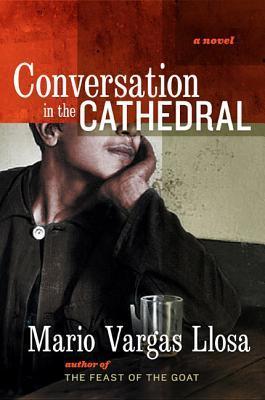
Title: Conversation in the Cathedral
Published: 1969
Table of Contents
Exploring Corruption and Identity in Mario Vargas Llosa's "Conversation in the Cathedral"
Mario Vargas Llosa's "Conversation in the Cathedral" is a powerful and thought-provoking novel that delves into the themes of power, corruption, and the search for identity in 1950s Peru. Set during the dictatorship of Manuel Apolinario Odría Amoretti, the narrative follows a conversation between two individuals, Santiago and Ambrosia, as they discuss the degradation and frustration that has enveloped their town. As they delve deeper into their tormented lives, a complex web of secrets and historical references emerges, shedding light on the moral and mental mechanisms that govern power. Through this rich tapestry of storytelling, Vargas Llosa explores the impact of personal freedom on the individual and society at large.
Characters
- Santiago Zavala: A journalist who is disillusioned with the state of his country and plagued by personal demons. Santiago serves as the moral compass of the novel, grappling with questions of identity and morality.
- Ambrosio: A wealthy industrialist who is deeply entrenched in the corruption and power dynamics of Peruvian society. Ambrosio represents the darker side of humanity, consumed by greed and ambition.
- Manuel Apolinario Odría Amoretti: The dictator of Peru during the 1950s, whose regime symbolizes the oppressive forces that shape the lives of Santiago and Ambrosio.
Detailed Summary
"Conversation in the Cathedral" unfolds as a sprawling conversation between Santiago and Ambrosio in a seedy bar in Lima. As they delve into their pasts and the state of the nation, a complex narrative of power, corruption, and personal struggles emerges. Santiago, a former journalist whose spirit has been crushed by the oppressive regime, seeks answers to questions of identity and morality. Ambrosio, on the other hand, represents the embodiment of corruption and moral decay, his wealth and influence built on a foundation of lies and deceit.
Through their conversation, Vargas Llosa weaves a tapestry of interconnected stories that reveal the intricate web of relationships and power dynamics that shape Peruvian society. As Santiago and Ambrosio navigate the murky waters of their pasts, the novel explores the impact of personal freedom on the individual and the corrosive effects of corruption on society as a whole.
Analysis
"Conversation in the Cathedral" is a gripping and insightful exploration of power, corruption, and the search for identity. Vargas Llosa's narrative is deeply layered, offering a nuanced portrayal of the forces that shape human behavior and society. Through Santiago and Ambrosio, the author delves into the complexities of morality and personal responsibility, highlighting the ways in which power can corrupt and distort the individual.
The novel also serves as a scathing critique of authoritarian regimes and the ways in which they stifle personal freedom and erode the fabric of society. By examining the impact of the dictatorship on the lives of ordinary citizens like Santiago and Ambrosio, Vargas Llosa sheds light on the far-reaching consequences of unchecked power and oppression.
Final thoughts
"Conversation in the Cathedral" is a haunting and powerful novel that offers a unique perspective on the themes of power, corruption, and identity. Through its richly drawn characters and intricate narrative, Mario Vargas Llosa invites readers to explore the moral and ethical dilemmas that define the human experience. If you enjoy thought-provoking literature that delves into the darker aspects of society, then this book is a must-read.
To fully appreciate the depth and complexity of "Conversation in the Cathedral," I encourage you to purchase the complete book or listen to the audiobook. Mario Vargas Llosa's masterful storytelling and keen insights will linger with you long after you turn the final page.
9780060732806 (ISBN10: 0060732806)
Format: 608 pages, Paperback
Original Title: Conversación en La Catedral
Edition: February 1, 2005 by Harper Perennial
Swallows and Amazons Summary of Arthur Ransome's Book

The Moon Is a Harsh Mistress Summary of Robert A. Heinlein's Book

Franny and Zooey Summary of J.D. Salinger's Book

Tales of Ordinary Madness Summary of Charles Bukowski's Book

At the Mountains of Madness and Other Tales of Terror Summary of H.P. Lovecraft's Book

The Lover Summary of Marguerite Duras's Book
Related Books