

Endgame & Act Without Words Summary of Samuel Beckett's Book
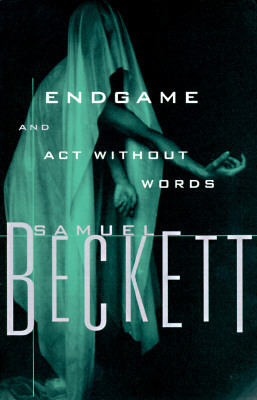
Table of Contents
Exploring the Depths of Human Existence: A Summary and Analysis of Endgame by Samuel Beckett
Samuel Beckett, a master of the absurd and the existential, delves deep into the human psyche in his renowned play "Endgame." First published on January 1, 1957, this work has stood the test of time and continues to resonate with readers and audiences alike. Beckett's literary genius shines through in this play, which is a stark reflection of the human condition in the face of impending death. In this mega-article, we will explore the characters, summary, and analysis of "Endgame," as well as delve into its significance in the realm of literature.
Characters
1. Hamm: The central character of the play, Hamm is a blind old man who is confined to a wheelchair. He is bitter, cynical, and often cruel to those around him, including his servant, Clov. Despite his physical limitations, Hamm exerts control over the other characters as a sort of tyrannical figure.
2. Clov: Hamm's servant, Clov, is physically able but mentally tormented. He struggles with his loyalty to Hamm and his desire for escape. Clov is the only character who can move freely within the confines of their bleak environment, giving him a sense of power and agency.
3. Nagg and Nell: Hamm's parents, who reside in separate trash cans, are reduced to mere remnants of their former selves. Their interactions are minimal, yet they provide a glimpse into the past and the inevitability of decline and decay.
Detailed Summary
The play opens with Hamm and Clov in a barren room, which serves as their living space. Hamm is seated in his wheelchair, barking orders at Clov, who attends to his every need. Their exchanges are filled with bitterness, resentment, and dark humor. Nagg and Nell, Hamm's parents, make occasional appearances from their trash cans, adding to the sense of desolation and despair.
As the play progresses, the characters grapple with the futility of their existence. Hamm repeatedly declares, "Nothing is left," emphasizing the emptiness and meaninglessness of their lives. Clov toys with the idea of leaving Hamm and venturing outside, but he is always brought back to his servitude by a sense of duty and fear.
The play culminates in a chilling climax as Clov prepares to leave Hamm for good, only to be stopped in his tracks by Hamm's final declaration: "We're not beginning to… to… mean something?" This poignant moment encapsulates the core of the play, as the characters confront the inevitability of death and the search for meaning in a world devoid of hope.
Extensive Analysis
Existential Themes: "Endgame" is steeped in existential themes, as Beckett explores the absurdity of human existence and the search for meaning in a world that offers none. The characters' bleak surroundings mirror their internal struggles, highlighting the emptiness and despair that pervade their lives.
Moral Decay: The characters' physical decay mirrors their moral decay, as their relationships deteriorate and their actions become increasingly callous. Beckett's portrayal of human relationships as corrupt and dysfunctional is a stark reminder of the darker aspects of human nature.
Despair and Hope: Throughout the play, Beckett contrasts despair with fleeting moments of hope. The characters' futile attempts to find meaning in their lives are met with crushing disappointment, yet they continue to cling to the possibility of redemption. This juxtaposition creates a sense of tension and uncertainty that permeates the entire narrative.
Language and Silence: Beckett's use of language is sparse yet powerful, conveying the characters' inner turmoil with precision and clarity. The silences between the characters speak volumes, revealing their unspoken thoughts and emotions. This interplay between language and silence adds depth and complexity to the play, inviting readers to contemplate the deeper layers of meaning beneath the surface.
Final thoughts
To conclude, "Endgame" by Samuel Beckett is a haunting masterpiece that delves into the depths of human existence with raw intensity and stark beauty. Through its vivid characters, evocative imagery, and profound themes, the play offers a profound meditation on the nature of life, death, and the search for meaning. Readers and audiences alike will be captivated by Beckett's unflinching exploration of the human condition and the ultimate quest for redemption.
If you enjoyed this summary and analysis, we encourage you to purchase the complete book and delve even deeper into the world of Samuel Beckett. Alternatively, you can listen to the audiobook for an immersive experience that brings the play to life in a whole new way. Explore the depths of "Endgame" and discover the timeless brilliance of one of the greatest writers of our time.
9780802150240 (ISBN10: 0802150241)
Format: 91 pages, Paperback
Original Title: Fin de partie suivi de Acte sans paroles
Edition: January 12, 1994 by Grove Press
Swallows and Amazons Summary of Arthur Ransome's Book

The Moon Is a Harsh Mistress Summary of Robert A. Heinlein's Book

Franny and Zooey Summary of J.D. Salinger's Book

Tales of Ordinary Madness Summary of Charles Bukowski's Book

At the Mountains of Madness and Other Tales of Terror Summary of H.P. Lovecraft's Book

The Lover Summary of Marguerite Duras's Book
Related Books