

Flowers for Algernon Summary of Daniel Keyes's Book
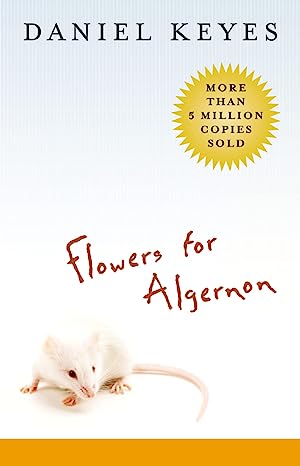
Title: Flowers for Algernon
Published: 1966
Table of Contents
Flowers for Algernon: An Exploration of Intelligence, Humanity, and Heartache
Flowers for Algernon, written by Daniel Keyes and first published in 1966, is a novel that delves into the complexities of human intelligence, emotions, and relationships. This timeless classic falls under the genres of Fiction, Classics, and Science Fiction, captivating readers with its thought-provoking narrative. Winner of both the Hugo and Nebula Awards, Flowers for Algernon tells the story of Charlie Gordon, a man with intellectual disabilities who undergoes an experimental surgery that transforms him into a genius. The novel follows Charlie on his journey of self-discovery, intellectual growth, and eventual heartache.
Characters
Charlie Gordon - The protagonist of the story, Charlie Gordon is a kind-hearted and eager individual with an unusually low IQ. As he undergoes the experimental surgery that increases his intelligence, Charlie grapples with the complexities of his newfound intellect and the emotions that come with it.
Alice Kinnian - Charlie's teacher at the adult education center, Alice Kinnian plays a pivotal role in Charlie's life. She is supportive, understanding, and compassionate towards Charlie, becoming an essential figure in his journey towards self-improvement.
Algernon - A lab mouse who undergoes the same experimental surgery as Charlie, Algernon serves as a mirror to Charlie's journey. As Algernon's intelligence increases, Charlie forms a bond with the mouse, making his eventual decline all the more heartbreaking.
Fay Lillman - A woman who enters Charlie's life as he begins to experience newfound intellectual pursuits, Fay represents a different aspect of Charlie's emotional growth. Their relationship adds a layer of complexity to Charlie's understanding of human connection.
Professor Harold Nemur and Dr. Strauss - The scientists behind the experimental surgery, Professor Nemur and Dr. Strauss are driven by a desire to push the boundaries of human intelligence. As Charlie's intelligence surpasses their own, they become conflicted figures in his journey.
Burt Seldon - Charlie's coworker at the bakery where he works, Burt serves as a friend and confidante to Charlie. Their interactions highlight the challenges of navigating relationships with newfound intelligence.
Detailed Summary
Flowers for Algernon begins with the introduction of Charlie Gordon, a man with an intellectual disability who works at a bakery and attends night school to improve his reading and writing skills. Charlie is chosen as the perfect candidate for an experimental surgery that aims to increase his intelligence, a procedure that has already been successful in the lab mouse, Algernon. As the surgery takes effect, Charlie's intelligence begins to surpass that of the doctors who engineered his transformation. He delves into complex scientific theories, literature, and philosophical discussions, becoming a prodigy in a matter of weeks.
As Charlie's intellect grows, so does his understanding of the world around him. He forms new relationships, explores romantic feelings, and grapples with his past traumas. However, as Charlie's intelligence expands, he begins to uncover dark truths about his past and the people in his life. His relationships become strained, and he starts to question the ethical implications of the surgery that changed him.
As Charlie's emotional journey unfolds, the novel takes a heartbreaking turn. Algernon, the lab mouse who underwent the same surgery, begins to deteriorate, foreshadowing Charlie's own decline. The once brilliant Charlie starts to regress, losing his newfound intelligence and reverting to his former self. The novel ends with a poignant reflection on the nature of intelligence, humanity, and the essence of being.
Extensive Analysis
Flowers for Algernon is a poignant exploration of intelligence, humanity, and the complexities of the human experience. Through Charlie's journey, readers are invited to reflect on the nature of intelligence, the meaning of progress, and the importance of empathy and emotional connection. The novel challenges conventional notions of intelligence and success, urging readers to question the ethical implications of scientific advancement.
Keyes masterfully weaves together themes of identity, belonging, and the pursuit of knowledge in Flowers for Algernon, creating a narrative that is both thought-provoking and emotionally resonant. The character development of Charlie Gordon is particularly striking, as readers witness his transformation from a vulnerable and eager individual to a brilliant and isolated genius. Charlie's internal struggles, interpersonal relationships, and ultimate realization of the limitations of intelligence contribute to a rich and multifaceted story.
Moreover, the novel's exploration of the animal-human connection through Algernon adds a layer of depth to the narrative. As Algernon deteriorates, readers are confronted with questions of ethics, agency, and the consequences of scientific experimentation. The parallels between Algernon's fate and Charlie's own decline serve as a powerful commentary on the fragility of human achievement and the inherent vulnerabilities of the human experience.
To conclude, Flowers for Algernon is a timeless masterpiece that continues to resonate with readers decades after its initial publication. Its compelling narrative, complex characters, and profound thematic exploration make it a must-read for fans of science fiction, classics, and fiction alike.
Final thoughts
If you enjoyed this comprehensive summary of Flowers for Algernon, we highly recommend purchasing the complete book to fully immerse yourself in the emotional journey of Charlie Gordon. Alternatively, you can also listen to the audiobook version for a captivating and immersive experience. Flowers for Algernon is a powerful and thought-provoking novel that will stay with you long after you turn the final page.
Format: 311 pages, Paperback
Original Title: Flowers for Algernon
Edition: May 1, 2005 by Harvest Books
Swallows and Amazons Summary of Arthur Ransome's Book

The Moon Is a Harsh Mistress Summary of Robert A. Heinlein's Book

Franny and Zooey Summary of J.D. Salinger's Book

Tales of Ordinary Madness Summary of Charles Bukowski's Book

At the Mountains of Madness and Other Tales of Terror Summary of H.P. Lovecraft's Book

The Lover Summary of Marguerite Duras's Book
Related Books