

Galápagos Summary of Kurt Vonnegut Jr.'s Book
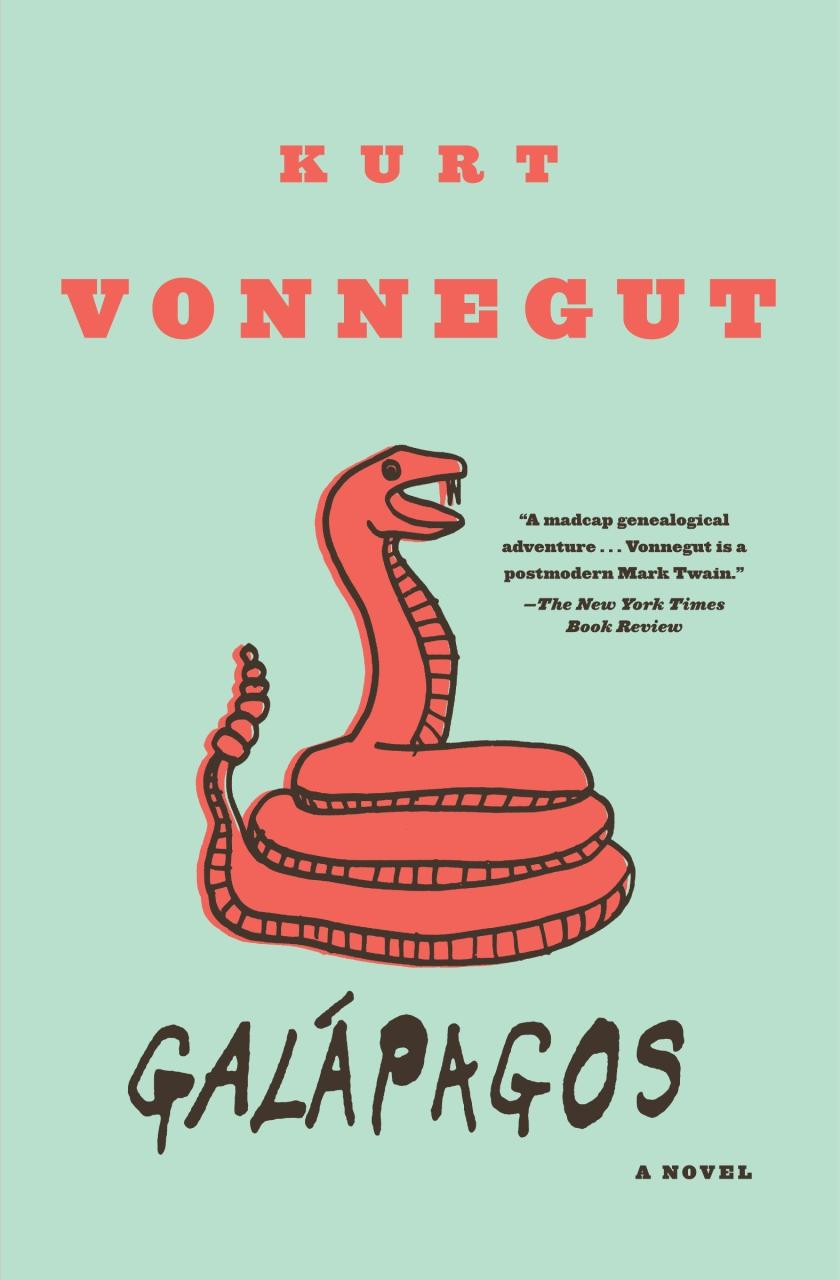
Title: Galápagos
Published: 1985
Table of Contents
Exploring Evolution and Satire in Galápagos by Kurt Vonnegut Jr.
Galápagos, a novel by Kurt Vonnegut Jr., takes readers on a journey back one million years to A.D. 1986. This quirky and thought-provoking novel falls under the genres of fiction, science fiction, and classics. Vonnegut's unique storytelling style and sharp wit make this novel a must-read for fans of speculative fiction.
Characters
- Kilgore Trout: One of Vonnegut's recurring characters, Kilgore Trout is a science fiction writer. In Galápagos, his ideas and works play a significant role in shaping the narrative.
- Leon Trotsky Trout: The son of Kilgore Trout, Leon Trotsky Trout, despite his unfortunate name, is a key character in the novel.
- James Wait: An important character in Galápagos, James Wait's actions and decisions have far-reaching consequences for the story.
- Andrew MacIntosh: Another survivor stranded on the Galápagos Islands, Andrew MacIntosh adds depth to the ensemble of characters in the novel.
Detailed Summary
In Galápagos, a seemingly straightforward vacation cruise turns into a journey of evolution and survival for a group of survivors stranded on the Galápagos Islands. Set in the year 1,986 A.D., an apocalypse looms over the world, leading to drastic changes for humanity. As the survivors grapple with their new reality, they unwittingly become the ancestors of a new human race, one that is radically different from what came before.
At the heart of the story is the theme of evolution, both biological and cultural. Vonnegut uses humor and satire to explore the flaws and quirks of human nature, shining a light on the absurdity of our society and values. Through the lens of this futuristic world, Vonnegut challenges readers to reflect on the essence of humanity and what truly matters in the grand scheme of things.
Extensive Analysis
Galápagos is a masterful blend of science fiction, social commentary, and satire. Vonnegut's wit and wisdom are on full display as he navigates complex themes with ease and dexterity. The novel's narrative structure, which includes a narrator from one million years in the future reflecting on past events, adds depth and layers to the story.
Throughout the novel, Vonnegut cleverly interweaves historical references, philosophical musings, and comedic moments to create a rich tapestry of ideas and emotions. The character of Kilgore Trout serves as a conduit for Vonnegut's own reflections on writing, creativity, and the human condition, making him a standout figure in the novel.
At its core, Galápagos is a meditation on evolution, both biological and cultural. Vonnegut challenges readers to consider the choices and actions that shape our world and our future. By presenting a vision of humanity's potential evolution, Vonnegut invites us to question our assumptions and beliefs, urging us to strive for a better, more enlightened future.
Final thoughts
Galápagos by Kurt Vonnegut Jr. is a thought-provoking and engaging novel that explores themes of evolution, survival, and the human condition. Through its unique narrative structure and satirical voice, Vonnegut delivers a powerful message about the importance of empathy, compassion, and understanding in a world that is constantly changing.
If you enjoy speculative fiction that challenges the status quo and offers new perspectives on society and culture, Galápagos is a must-read. Dive into Vonnegut's imaginative world and discover the beauty and complexity of evolution in all its forms.
For the complete experience, consider purchasing a copy of the book or listening to the audiobook version for a captivating listening experience.
9780385333870 (ISBN10: 0385333870)
Format: 324 pages, Paperback
Original Title: Galápagos
Edition: January 12, 1999 by Dial Press Trade Paperback
Swallows and Amazons Summary of Arthur Ransome's Book

The Moon Is a Harsh Mistress Summary of Robert A. Heinlein's Book

Franny and Zooey Summary of J.D. Salinger's Book

Tales of Ordinary Madness Summary of Charles Bukowski's Book

At the Mountains of Madness and Other Tales of Terror Summary of H.P. Lovecraft's Book

The Lover Summary of Marguerite Duras's Book
Related Books