

Game Change: Obama and the Clintons, McCain and Palin, and the Race of a Lifetime Summary of John Heilemann's Book
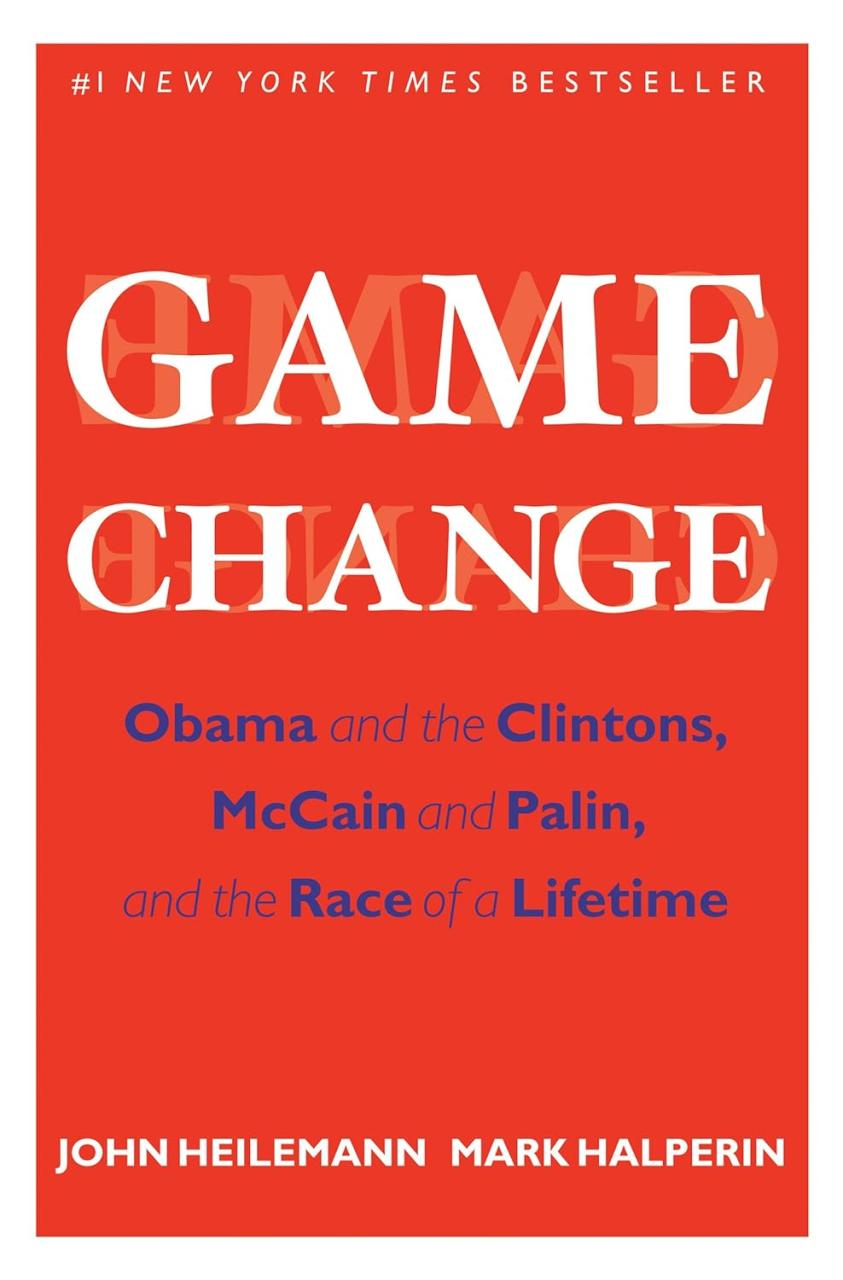
Game Change #1
Title: Game Change: Obama and the Clintons, McCain and Palin, and the Race of a Lifetime
Published: 2010
Table of Contents
Game Change: Obama and the Clintons, McCain and Palin, and the Race of a Lifetime
Game Change, written by John Heilemann and Mark Halperin, is a gripping and insightful account of the 2008 presidential election. Published on January 11, 2010, this book takes readers behind the scenes of the Obama/Biden and McCain/Palin campaigns, providing a detailed look at the key players and events that shaped one of the most historic elections in American history.
Characters
The book revolves around five key characters: Bill Clinton, Barack Obama, John McCain, Sarah Palin, and Hillary Clinton. Each of these individuals played a significant role in the election and their interactions and decisions are thoroughly examined in Game Change.
- Bill Clinton: The former President of the United States and husband of Hillary Clinton, Bill Clinton's involvement in the 2008 election was both influential and controversial. His efforts to support his wife's campaign for the Democratic nomination, while navigating his own complicated legacy, are explored in depth.
- Barack Obama: The charismatic and groundbreaking candidate who ultimately secured the Democratic nomination and went on to become the first African American President of the United States. Obama's journey from underdog to frontrunner is a central focus of the book.
- John McCain: The Republican candidate for president, whose selection of Sarah Palin as his running mate was one of the most surprising and controversial decisions of the election. McCain's struggles to unite his party and connect with voters are explored in Game Change.
- Sarah Palin: The Governor of Alaska and political newcomer who energized the Republican base with her folksy charisma and conservative values. Palin's rise to prominence and the challenges she faced on the national stage are a key element of the book.
- Hillary Clinton: The former First Lady and Senator from New York, who fought a fierce battle with Obama for the Democratic nomination. Clinton's determination and resilience in the face of setbacks are a central theme of Game Change.
Detailed Summary
Game Change provides a detailed and absorbing account of the 2008 presidential election, from the early days of the primary campaigns to the dramatic conclusion on election night. The book delves into the personal and political dynamics of the candidates, their families, and their advisors, offering behind-the-scenes insights into the highs and lows of the campaign trail.
The primary focus of the book is on the Democratic and Republican primaries, where Obama and Clinton engaged in a fierce battle for the Democratic nomination, while McCain emerged as the Republican frontrunner. The selection of vice presidential running mates, the pivotal debates, and the unexpected twists and turns of the campaign are all explored in Game Change.
One of the most compelling storylines in the book is the rise of Sarah Palin, a relative unknown on the national stage who electrified the Republican base with her populist appeal. Palin's selection as McCain's running mate and her subsequent struggles in the spotlight are detailed with precision and nuance, providing a fascinating glimpse into the machinations of modern American politics.
Through meticulous research and interviews with key players, Heilemann and Halperin paint a vivid portrait of a campaign season marked by intense competition, strategic maneuvering, and personal drama. Game Change is not just a chronicle of events, but a deeply human narrative that captures the hopes, fears, and ambitions of those involved in a historic election.
Analysis
Game Change offers a compelling and nuanced analysis of the 2008 presidential election, shedding light on the personalities, strategies, and emotions that shaped the outcome. The book explores the complexities of modern political campaigns, from the role of the media to the influence of money and power, providing valuable insights into the inner workings of the American electoral process.
One of the key themes of Game Change is the impact of personal relationships and rivalries on political decision-making. The book reveals the behind-the-scenes conflicts and alliances that shaped the candidates' strategies and ultimately determined the course of the election. From the intense competition between Obama and Clinton to the fraught dynamics within the McCain/Palin ticket, Game Change highlights the human drama at the heart of American politics.
In addition, the book offers a candid and unvarnished look at the strengths and weaknesses of the candidates, their advisors, and their supporters. By exposing the vulnerabilities and foibles of those involved in the campaign, Game Change challenges readers to reconsider their perceptions of political leaders and the forces that drive them to seek power.
Ultimately, Game Change is a testament to the unpredictability and drama of the electoral process, reminding us that politics is not just a game of strategy and calculation, but a deeply human endeavor filled with triumphs and tragedies. Whether you are a political junkie or simply curious about the inner workings of a presidential campaign, this book is a must-read for anyone interested in understanding the dynamics of American democracy.
Final thoughts
To conclude, Game Change is a riveting and illuminating account of the 2008 presidential election, offering a rich tapestry of characters, events, and emotions that will captivate readers from start to finish. Whether you are a seasoned observer of politics or a newcomer to the world of campaigns and elections, this book is sure to entertain, inform, and provoke thought.
If you enjoyed this summary, I encourage you to purchase the complete book and delve deeper into the fascinating world of Game Change. Alternatively, you can listen to the audiobook version for a dynamic and immersive experience that brings the story to life in a whole new way. Happy reading!
9780061733635 (ISBN10: 0061733636)
Format: 448 pages, Hardcover
Edition: January 11, 2010 by Harper
Battle Cry of Freedom Summary of James M. McPherson's Book

Destiny of the Republic: A Tale of Madness, Medicine and the Murder of a President Summary of Candice Millard's Book

1776 Summary of David McCullough's Book

Sacajawea Summary of Anna Lee Waldo's Book

Undaunted Courage: The Pioneering First Mission to Explore America's Wild Frontier Summary of Stephen E. Ambrose's Book

Why They Marched: Untold Stories of the Women Who Fought for the Right to Vote Summary of Susan Ware's Book
Related Books