

Gargantua and Pantagruel Summary of François Rabelais's Book
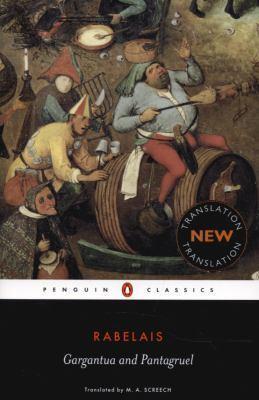
Gargantua and Pantagruel #1-5
Title: Gargantua and Pantagruel
Published: 1532
Table of Contents
Gargantua and Pantagruel by François Rabelais
François Rabelais' seminal work, "Gargantua and Pantagruel," is a historical piece of literature that was first published on January 1, 1532. It belongs to the genres of Classics, Fiction, and hails from France. In this multi-volume saga, Rabelais weaves together a tapestry of dazzling and exuberant moral stories that expose human follies with mischievous humor. The book combines elements of both realism and carnivalesque fantasy to provide readers with a fresh perspective on the world.
Characters
- Gargantua: The young giant in the narrative who undergoes a tumultuous education that leads him to the brink of insanity. Through a series of comedic misadventures, he is transformed into a cultured Christian knight.
- Pantagruel: The son of Gargantua, Pantagruel is portrayed as a bookish figure who becomes a paragon of wisdom akin to a Renaissance Socrates. He is contrasted with his companion Panurge, who is depicted as self-absorbed and foolish.
- Poliphilo: Another character in the saga, Poliphilo plays a significant role in the plot's progression, adding depth and complexity to the narrative.
Summary
In "Gargantua," we follow the journey of the young giant as he navigates a world filled with paternal ignorance, old crones, and syphilitic professors. Through his absurd encounters and experiences, Gargantua is driven to the point of laughable insanity. However, he is ultimately rescued and transformed into a cultured Christian knight, showcasing a transformation wrought by education and experience.
The subsequent volumes follow the adventures of Pantagruel, the son of Gargantua, as he embarks on a series of quests that parody the tall tales of chivalry. Through his exploits, Pantagruel satirizes various aspects of society, including the law, theology, and academia. Alongside his companion Panurge, Pantagruel offers readers a glimpse into the Renaissance mindset, blending wisdom and folly in equal measure.
Analysis
Rabelais' work in "Gargantua and Pantagruel" is a masterclass in blending humor with incisive social commentary. Through the lens of his larger-than-life characters, Rabelais delves into the complexities of human behavior and the follies of society. The juxtaposition of Gargantua's journey to enlightenment with Pantagruel's satirical adventures creates a rich tapestry of moral lessons and philosophical musings.
Rabelais seamlessly weaves together elements of fantasy and reality, creating a world that is at once familiar and fantastical. His use of humor, often tinged with obscenity, challenges readers to confront uncomfortable truths about themselves and the society they inhabit. Through his colorful characters and vivid storytelling, Rabelais invites readers to reflect on their own values and beliefs, urging them to question the status quo and strive for personal growth and enlightenment.
Final thoughts
To conclude, "Gargantua and Pantagruel" by François Rabelais is a literary masterpiece that continues to captivate readers with its timeless themes and bold storytelling. Whether you are a fan of classic literature, satire, or philosophical musings, this saga has something to offer everyone. I highly recommend diving into the world of Gargantua and Pantagruel to experience the brilliance of Rabelais firsthand.
If you enjoyed this brief summary, I encourage you to purchase the complete book to immerse yourself fully in Rabelais' rich narrative. Alternatively, you may choose to listen to the audiobook version for a fresh take on this classic work. Happy reading!
9780140445503 (ISBN10: 0140445501)
Format: 1041 pages, Paperback
Original Title: La vie de Gargantua et de Pantagruel
Edition: October 26, 2006 by Penguin Classics
Swallows and Amazons Summary of Arthur Ransome's Book

The Moon Is a Harsh Mistress Summary of Robert A. Heinlein's Book

Franny and Zooey Summary of J.D. Salinger's Book

Tales of Ordinary Madness Summary of Charles Bukowski's Book

At the Mountains of Madness and Other Tales of Terror Summary of H.P. Lovecraft's Book

The Lover Summary of Marguerite Duras's Book
Related Books