
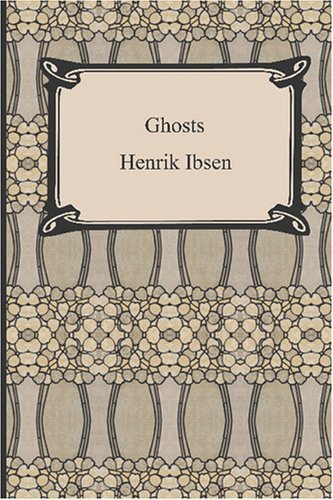

Ghosts Summary of Henrik Ibsen's Book
Table of Contents
Exploring the Dark Realms of Society: A Deep Dive into Henrik Ibsen's Ghosts
An Introduction to Ghosts
Henrik Ibsen's play, Ghosts, first published on January 1, 1881, is a three-act tragedy that delves into uncomfortable and forbidden themes of society during that time period. As a highly critical commentary on morality, the play challenges societal norms and beliefs, making it a controversial piece of work. Set in Norway, the play follows the widow of a sea captain and her son, as they confront the ghosts of the past with tragic consequences.
The Characters of Ghosts
Mrs. Alving: The protagonist of the play, Mrs. Alving is the widow of Captain Alving. She is a complex character who struggles with the burden of her past choices and the desire for her son's well-being.
Oswald Alving: The son of Mrs. Alving, Oswald is an artist who returns home to his mother after spending time abroad. He is haunted by the sins of his family's past.
<b.Pastor Manders: A pastor and family friend of the Alvings, Pastor Manders represents traditional morality and societal norms. He plays a significant role in the unfolding events of the play.
A Detailed Summary of Ghosts
The play opens at Mrs. Alving's estate, where she is preparing for the dedication of an orphanage in memory of her late husband, Captain Alving. As the story unfolds, it is revealed that Captain Alving was a philanderer who led a double life, causing Mrs. Alving much grief and pain. Oswald, Mrs. Alving's son, returns home from Paris, and it becomes apparent that he is ill.
Throughout the play, Mrs. Alving and Oswald struggle with their past and the ghosts that haunt them. Mrs. Alving grapples with the truth about her husband, while Oswald comes to terms with his own illness and the role his family's secrets have played in his life.
As the play progresses, the characters are forced to confront their deepest fears and desires, leading to a tragic conclusion that challenges the audience's perceptions of morality and societal expectations.
An Extensive Analysis of Ghosts
Ghosts is a powerful and thought-provoking play that delves into the darkest aspects of society and human nature. Ibsen's exploration of themes such as venereal disease, incest, and euthanasia was groundbreaking for its time and sparked controversy among audiences.
The character of Mrs. Alving symbolizes the struggle against societal expectations and the burden of past mistakes. Her internal conflict mirrors the external conflict of the play, where traditional morality clashes with personal freedom and individuality.
Oswald, on the other hand, represents the consequences of repressed desires and secrets. His illness serves as a metaphor for the poison that lies beneath the surface of society, waiting to emerge and destroy everything in its path.
Pastor Manders, as the voice of traditional morality, serves as a foil to Mrs. Alving and Oswald. His narrow-mindedness and adherence to societal norms contribute to the tragedy that unfolds in the play.
Overall, Ghosts is a timeless masterpiece that continues to resonate with audiences today. Its exploration of human nature, morality, and the consequences of repressed desires make it a must-read for anyone interested in delving into the darker realms of society.
Final thoughts
To conclude, Henrik Ibsen's Ghosts is a powerful and thought-provoking play that challenges societal norms and beliefs. Its exploration of taboo topics and complex characters make it a compelling read for anyone interested in drama and classic literature. If you enjoyed this summary, I highly recommend purchasing the complete book to immerse yourself fully in the world of Ghosts. Alternatively, you can also listen to the audiobook for a captivating listening experience.
9781420927955 (ISBN10: 1420927957)
Format: 48 pages, Paperback
Original Title: Gengangere
Edition: January 1, 2007 by Neeland Media
Swallows and Amazons Summary of Arthur Ransome's Book

The Moon Is a Harsh Mistress Summary of Robert A. Heinlein's Book

Franny and Zooey Summary of J.D. Salinger's Book

Tales of Ordinary Madness Summary of Charles Bukowski's Book

At the Mountains of Madness and Other Tales of Terror Summary of H.P. Lovecraft's Book

The Lover Summary of Marguerite Duras's Book
Related Books