

Ivanhoe Summary of Walter Scott's Book
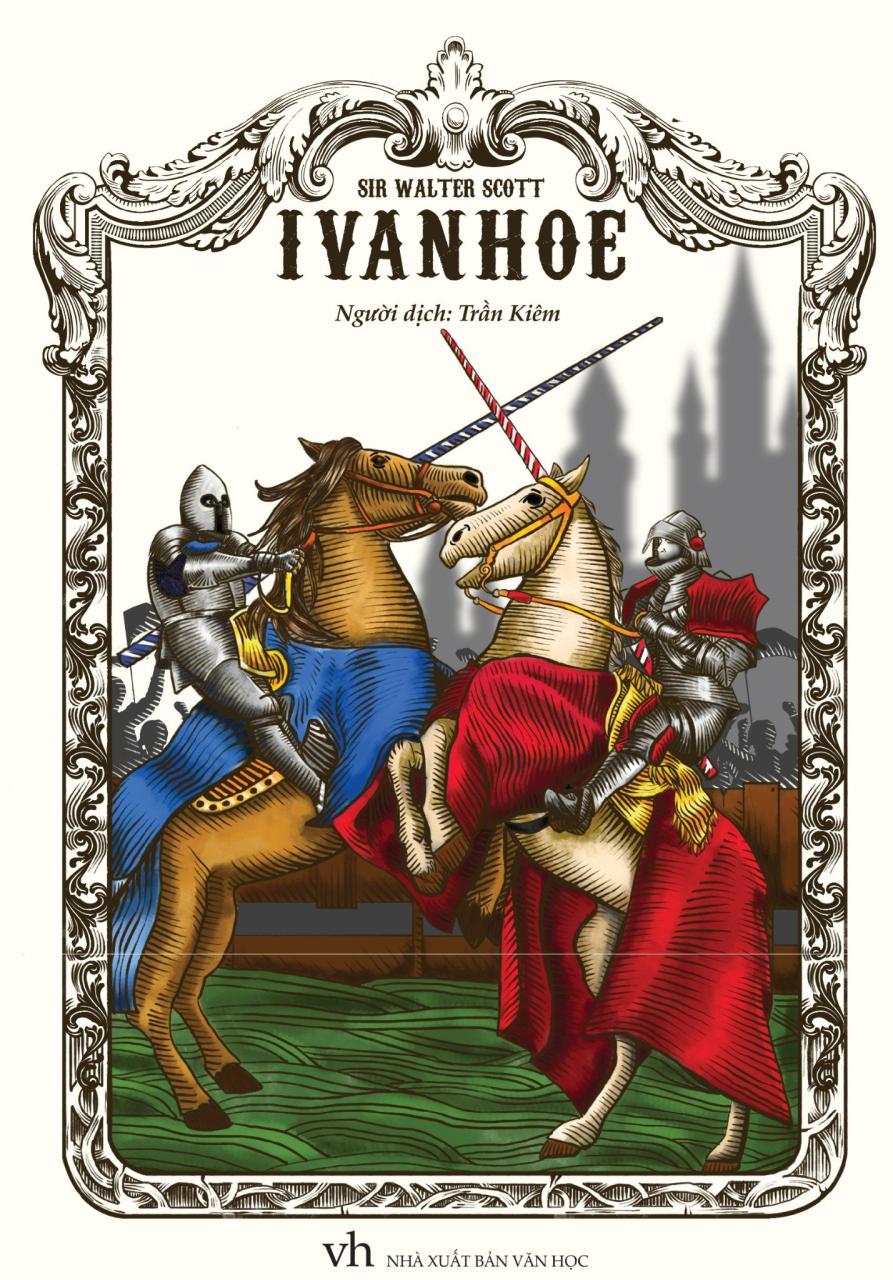
Title: Ivanhoe
Published: 1820
Table of Contents
Exploring the Epic Tale of Ivanhoe by Walter Scott
Published in 1820, Ivanhoe by Walter Scott remains a timeless classic that has captivated readers for centuries. This historical fiction novel is set in the late 12th century during the reign of Richard I of England. Scott weaves together a compelling tale of chivalry, romance, adventure, and social realism that continues to resonate with readers today. Through a cast of unforgettable characters and a richly detailed plot, Scott explores themes of loyalty, honor, and the complexities of society.
Characters
- Little John: A loyal companion of Robin of Locksley who aids in the fight against Prince John Lackland.
- Robin of Locksley: Also known as Robin Hood, a skilled archer and leader of a band of outlaws who fight against the injustices of Prince John's reign.
- Wilfred of Ivanhoe: The titular character of the novel, a knight who returns from the Crusades to reclaim his rightful place in society.
- John of England: Prince John Lackland, the younger brother of Richard I who plots to overthrow his brother and seize the throne.
- Rebecca of York: A Jewish healer who faces persecution and discrimination in a society rife with prejudice.
- Isaac of York: Rebecca's father, a moneylender who faces persecution for his faith and occupation.
- Brian de Bois-Guilbert: A Templar knight who becomes infatuated with Rebecca and plays a pivotal role in the novel's events.
- Reginald Front-de-Boeuf: A cruel Norman knight who serves Prince John and becomes embroiled in the novel's conflicts.
- Cedric of Rotherwood: Wilfred of Ivanhoe's father, a Saxon nobleman who struggles to reconcile his loyalty to King Richard with his disdain for Norman rule.
- Maurice De Bracy: A Norman knight who seeks power and wealth through nefarious means.
- Waldemar Fitzurse: An ally of Prince John who aids in the plot against King Richard.
- Maid Marion: Robin Hood's beloved and a key figure in the fight against Prince John's tyranny.
- Black Knight: A mysterious figure who aids Ivanhoe in his quest for justice.
- Prince John Lackland: The antagonist of the novel, a power-hungry prince who seeks to usurp his brother King Richard.
- Robert von der Normandie: A Norman knight who serves Prince John and faces a moral dilemma throughout the novel.
- Bruder Gurth: A friar who offers wisdom and guidance to the novel's characters.
- Iorlvaux: A mysterious figure who plays a key role in the novel's climactic events.
- Le Noir-Fainéant: An enigmatic figure who conceals his true identity until the novel's dramatic conclusion.
- Ivanhoe: The valiant knight whose adventures drive the plot of the novel and challenge the societal norms of his time.
- Richard I of England: King Richard the Lionheart, the noble and just ruler whose absence from England sets the stage for the novel's conflicts.
Detailed Summary
In the midst of political intrigue and social upheaval, Ivanhoe follows the journey of Wilfred of Ivanhoe as he returns from the Crusades to England. Disowned by his father Cedric of Rotherwood for his loyalty to King Richard, Ivanhoe must navigate a treacherous landscape of Norman-Saxon tensions, anti-Semitic prejudice, and political machinations led by the villainous Prince John Lackland.
As Ivanhoe becomes embroiled in a web of alliances and betrayals, he finds himself torn between his love for the fair Rebecca of York, a Jewish healer, and his duty to uphold chivalric ideals. With the help of his friends Robin Hood, Maid Marion, and the enigmatic Black Knight, Ivanhoe embarks on a quest to restore honor, justice, and unity to England.
Analysis
For Ivanhoe, Walter Scott departed from his usual Scottish settings to explore the complex history of medieval England. By juxtaposing historical realities with chivalric romance, Scott creates a world that is both grounded in truth and elevated by the ideals of knighthood and honor. Through characters like Ivanhoe, Rebecca, and Prince John, Scott delves into timeless themes of love, loyalty, and the struggle for justice in a divided society.
Scott's masterful storytelling weaves together multiple plotlines and character arcs to create a tapestry of adventure, intrigue, and moral complexity. As Ivanhoe confronts his own prejudices and biases, he learns the true meaning of courage and sacrifice. The novel's exploration of religious tolerance, social class, and political power resonates with contemporary readers grappling with similar issues in their own time.
Overall, Ivanhoe stands as a testament to the enduring power of storytelling and the ability of literature to transcend time and space. Through Scott's vivid descriptions and engaging narrative, readers are transported to a world of knights, damsels, and epic quests that still hold relevance in our modern era.
Final thoughts
As you immerse yourself in the pages of Ivanhoe by Walter Scott, you will be swept away by a tale of courage, honor, and the enduring power of love. Whether you are a fan of historical fiction, classics, or simply enjoy a good adventure story, Ivanhoe is sure to captivate your imagination and leave you eager for more.
If you enjoyed this summary, we encourage you to delve into the complete novel to fully experience the magic of Scott's storytelling. You can also listen to the audiobook for a dynamic and immersive reading experience that will bring the characters and settings of Ivanhoe to life.
Format: 496 pages, Paperback
Original Title: Ivanhoe
Edition: October 1, 2000 by Penguin Books /Penguin Classics
Halt's Peril Summary of John Flanagan's Book

Swallows and Amazons Summary of Arthur Ransome's Book

The Never War Summary of D.J. MacHale's Book

School's Out—Forever Summary of James Patterson's Book

The Empress's Tomb Summary of Kirsten Miller's Book

Touching the Void: The True Story of One Man's Miraculous Survival Summary of Joe Simpson's Book
Related Books