

Keep the Aspidistra Flying Summary of George Orwell's Book
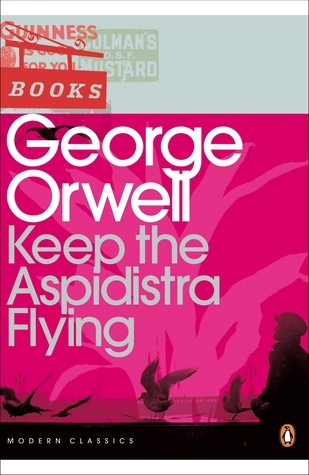
Title: Keep the Aspidistra Flying
Published: 1936
Table of Contents
Keep the Aspidistra Flying by George Orwell: A Darkly Compassionate Satire
Keep the Aspidistra Flying, published in 1936, is a gripping novel by George Orwell that delves into the themes of social class, poverty, and the pursuit of artistic integrity. Set in London in the 1930s, the story follows the protagonist, Gordon Comstock, a struggling poet who wages war against what he calls "the money god." As Gordon's life unravels in his quest to resist the materialistic values of society, Orwell masterfully weaves a narrative that challenges readers to contemplate the true nature of happiness and success.
Characters
- Gordon Comstock: The protagonist of the novel, Gordon is a disillusioned poet who rejects the trappings of wealth and success. His internal struggle between his ideals and the harsh realities of life forms the core of the story.
- Rosemary Waterlow: A love interest of Gordon, Rosemary is a symbol of innocence and purity. Her character serves as a stark contrast to the cynicism and bitterness that plague Gordon's worldview.
- Philip Ravelston: A wealthy friend of Gordon, Philip embodies the upper-class lifestyle that Gordon despises. Despite their differences, Philip offers Gordon support and guidance throughout the novel.
- Julia Comstock: Gordon's sister, Julia, represents the conventional values that Gordon rebels against. Her practicality and stability highlight Gordon's internal turmoil and self-destructive tendencies.
- Hermione Slater: A fellow employee at the bookshop where Gordon works, Hermione serves as a romantic interest and a source of tension in Gordon's life. Her character adds depth to Gordon's struggles with relationships and intimacy.
- Mrs. Wisbeach: The landlady of the rooming-house where Gordon resides, Mrs. Wisbeach embodies the watchful eye of societal judgment. Her presence underscores Gordon's sense of shame and failure.
- Mr. Erskine: A colleague of Gordon at the bookshop, Mr. Erskine provides a contrasting perspective on work and material success. His character reflects the mundanity and compromise that Gordon seeks to escape.
Detailed Summary
In Keep the Aspidistra Flying, Gordon Comstock, a struggling poet and bookstore employee, rejects the trappings of conventional success and embarks on a mission to live a life of poverty and artistic purity. Despite his aspirations, Gordon finds himself trapped in a cycle of financial instability and personal turmoil. His relationship with Rosemary, a shy and virtuous young woman, becomes strained as Gordon's obsession with material poverty drives a wedge between them. As Gordon's circumstances deteriorate, he grapples with feelings of alienation, frustration, and self-doubt.
Throughout the novel, Gordon's interactions with characters like Philip Ravelston, Hermione Slater, and Mrs. Wisbeach shed light on the complexities of his situation. Philip offers financial assistance that Gordon resents, highlighting his pride and stubbornness. Hermione's affection exposes Gordon's emotional vulnerability and fear of intimacy. Mrs. Wisbeach's judgmental attitude serves as a constant reminder of Gordon's social standing and perceived failures.
As Gordon's rebellion against societal expectations intensifies, he becomes increasingly disillusioned and isolated. His fixation on the aspidistra plant in his room symbolizes his disdain for middle-class values and his struggle to assert his individuality. Despite his best efforts to defy the money god, Gordon realizes the futility of his resistance and grapples with the harsh reality of his situation.
Extensive Analysis
Keep the Aspidistra Flying offers a poignant examination of the human condition and the pitfalls of idealism. Orwell's portrayal of Gordon Comstock as a flawed and conflicted protagonist invites readers to confront their own beliefs about success, happiness, and authenticity. Through Gordon's journey, Orwell critiques the corrosive nature of capitalism and the dehumanizing effects of poverty.
The novel's satirical tone and sharp social commentary resonates with readers of all generations, prompting reflection on the enduring relevance of its themes. Orwell's nuanced exploration of class dynamics, gender roles, and personal identity adds depth to the narrative, inviting readers to consider the complexities of individual agency and societal constraints.
At its core, Keep the Aspidistra Flying is a cautionary tale about the dangers of dogmatic idealism and the consequences of rejecting compromise. Gordon Comstock's descent into despair serves as a cautionary reminder of the perils of pride and self-righteousness. Orwell's depiction of Gordon's inner turmoil and external struggles captures the universal experience of grappling with one's values and aspirations in a world that often demands conformity and compromise.
In the end, Keep the Aspidistra Flying challenges readers to question the true nature of success and fulfillment. Orwell's deft handling of complex themes and characters creates a compelling narrative that lingers in the minds of readers long after the final page is turned.
Final thoughts
Keep the Aspidistra Flying stands as a powerful testament to Orwell's talent for incisive social commentary and profound storytelling. Through the experiences of Gordon Comstock and the cast of characters that populate his world, Orwell invites readers to confront the complexities of human nature and the enduring struggle for meaning and purpose in a materialistic society. If you enjoy thought-provoking literature that challenges conventional wisdom and delves into the depths of the human psyche, Keep the Aspidistra Flying is a must-read.
We highly recommend purchasing the complete book to fully experience the brilliance of George Orwell's narrative and prose. Alternatively, consider listening to the audiobook version for a captivating and immersive storytelling experience. Dive into the world of Gordon Comstock and discover the timeless themes and insights that make Keep the Aspidistra Flying a literary classic.
Format: 297 pages, Paperback
Original Title: Keep the Aspidistra Flying
Edition: October 26, 2000 by Penguin Books Ltd


Related Books