

Kim Summary of Rudyard Kipling's Book
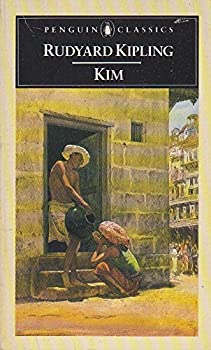
Title: Kim
Published: 1901
Table of Contents
Book Summary: Kim by Rudyard Kipling
Rudyard Kipling's novel, Kim, first published in 1901, is a timeless classic that delves into the heart of India during the tumultuous times of British imperialism. The story follows the adventures of Kimball O'Hara, a young boy of Irish descent, who navigates the intricate landscape of colonial India. Alongside him is Teshoo Lama, an old ascetic priest on a spiritual quest. The novel intricately weaves together themes of culture, identity, and friendship against the backdrop of a changing world.
Characters
- Kimball O'Hara (Kim): The protagonist of the story, Kim is a young boy who straddles two worlds - that of being a sahib (white) and being born in India. He is eager to immerse himself in the Great Game of Imperialism while also seeking spiritual enlightenment.
- Teshoo Lama: An old ascetic priest who befriends Kim on their journey. He is on a quest for redemption from the cycles of life and death, seeking enlightenment and salvation.
Detailed Summary
Set in the period between the Second and Third Afghan Wars, Kim follows the journey of Kimball O'Hara as he navigates the complex landscapes of India. Raised by a half-caste woman in Lahore, Kim finds himself torn between his aspirations to be part of the British Raj and his innate connection to the Indian culture that surrounds him. When he encounters Teshoo Lama, a wandering ascetic seeking spiritual enlightenment, their fates become intertwined.
As Kim and the lama travel across India, they face a series of adventures that test their friendship and resolve. They encounter diverse cultures, religions, and superstitions, painting a vivid picture of the rich tapestry of India. As Kim acts as a guide and interpreter for the lama, he also grapples with his own identity and purpose in a rapidly changing world.
Analysis
Kim is a novel that delves deep into the complexities of colonial India, exploring themes of identity, friendship, and spirituality. Through the characters of Kim and the lama, Kipling presents a nuanced portrayal of the cultural clash between the East and the West. Kim's journey to reconcile his dual heritage and find his place in the world mirrors the larger struggle of India during the time of British imperialism.
The novel also highlights Kipling's intricate knowledge of Indian society, capturing the vibrant bazaars, religious practices, and political tensions of the time. The contrast between the opulence of India's landscapes and the looming presence of the British Raj adds depth to the narrative, underscoring the complexities of colonial rule and its impact on both the colonizers and the colonized.
Final thoughts
To conclude, Kim by Rudyard Kipling is a timeless classic that offers a rich and immersive portrayal of India during the era of British imperialism. Through the characters of Kim and the lama, the novel explores themes of identity, friendship, and cultural assimilation. If you enjoy historical fiction and stories that delve into the intricacies of colonial India, Kim is a must-read.
If you found this summary intriguing, I encourage you to delve into the complete novel to experience the full depth of Kipling's storytelling. Alternatively, you can listen to the audiobook for an immersive experience that brings the vibrant world of Kim to life. Happy reading!
9780140183528 (ISBN10: 0140183523)
Format: 366 pages, Mass Market Paperback
Original Title: Kim
Edition: January 1, 1981 by Penguin Classics
Halt's Peril Summary of John Flanagan's Book

Swallows and Amazons Summary of Arthur Ransome's Book

The Never War Summary of D.J. MacHale's Book

School's Out—Forever Summary of James Patterson's Book

The Empress's Tomb Summary of Kirsten Miller's Book

Touching the Void: The True Story of One Man's Miraculous Survival Summary of Joe Simpson's Book
Related Books