

King Rat Summary of James Clavell's Book
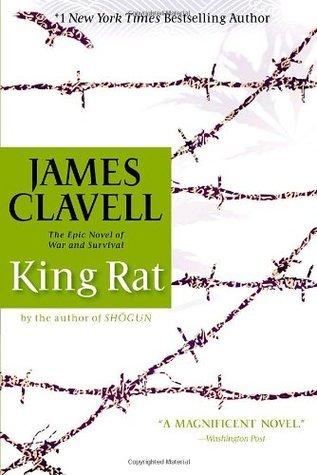
Asian Saga: Chronological Order #4
Title: King Rat
Published: 1962
Table of Contents
King Rat by James Clavell: An Intriguing Tale of Power and Survival in World War II
In the heart of Japanese-occupied territory during World War II, a brutal prison camp known as Changi serves as the backdrop for James Clavell's captivating novel, "King Rat." First published on January 1, 1962, this gripping tale of survival, power struggles, and human resilience is a part of Clavell's Asian Saga series. Set in Singapore, the story follows an American corporal who navigates the harsh realities of life in captivity, showcasing the complexities of human nature in times of adversity.
Characters
The American Corporal: The protagonist of the story, the American corporal is a cunning and manipulative individual who seeks dominance over both captives and captors within the prison camp. His ability to understand human weaknesses and exploit opportunities sets him apart from others, as he navigates the complex social hierarchy of the camp with skill and determination.
The King: A mysterious figure known as “the King,” this enigmatic character holds significant influence within the camp. With a keen business sense and a knack for acquiring goods through various means, the King plays a pivotal role in the trading economy of the prisoners. His dynamic personality and strategic alliances make him a key player in the power dynamics within Changi.
Peter Marlowe: A British soldier imprisoned in Changi, Peter Marlowe forms a unique relationship with the American corporal. As an insightful and intellectual character, Marlowe provides a contrasting perspective to the corporal's tactics and motivations. Through their interactions, the complexities of human relationships and moral dilemmas are brought to light.
Detailed Summary
In the midst of the harsh conditions of Changi prison camp, the American corporal emerges as a formidable force, using his wit and resourcefulness to gain power and influence. Through his strategic alliances and manipulative tactics, he establishes himself as a dominant figure within the camp, earning the title of “King Rat.”
As the story unfolds, the corporal's schemes and machinations reveal the depths of his ambition and ruthlessness. His ability to exploit vulnerabilities and manipulate situations allows him to control the flow of goods and resources, further solidifying his grip on power. However, his actions also lead to moral dilemmas and ethical challenges, raising questions about the true nature of survival and humanity in times of war.
Amidst the chaos and brutality of the prison camp, alliances are formed, betrayals occur, and loyalties are tested. The dynamic interplay between the characters highlights the complexities of human behavior in extreme circumstances, showcasing the resilience and adaptability of the human spirit.
As the narrative reaches its climax, the American corporal's quest for dominance comes to a head, forcing him to confront the consequences of his actions and decisions. Through a series of twists and turns, the true cost of his pursuit of power is laid bare, ultimately leading to a dramatic showdown that will change the course of life within Changi forever.
Analysis
"King Rat" by James Clavell delves into the intricate dynamics of power, survival, and morality in the face of adversity. Through its compelling characters and richly detailed setting, the novel explores the complexities of human nature under extreme conditions, challenging conventional notions of heroism and villainy.
The American corporal serves as a compelling anti-hero, blurring the lines between right and wrong as he navigates the treacherous landscape of the prison camp. His brazen tactics and relentless pursuit of dominance showcase the darker aspects of human behavior, while also hinting at the underlying vulnerabilities that drive his actions.
The character of the King adds an intriguing layer of intrigue and mystery to the story, serving as a counterbalance to the corporal's ambition and ruthlessness. Through his strategic prowess and enigmatic persona, the King presents a formidable challenge to the corporal's authority, leading to a captivating power struggle that drives the narrative forward.
Peter Marlowe's presence in the story offers a glimpse into the moral dilemmas and ethical quandaries faced by the prisoners in Changi. His intellectual insights and moral compass provide a stark contrast to the corporal's pragmatic approach, highlighting the multifaceted nature of human relationships and the choices individuals make in times of crisis.
Overall, "King Rat" is a thought-provoking exploration of power, survival, and the human condition in the midst of war. Clavell's intricate storytelling and vivid characterization create a nuanced portrait of life in captivity, shedding light on the complexities of human nature and the enduring resilience of the human spirit.
To conclude, "King Rat" is a compelling read that will captivate and intrigue readers with its rich narrative, complex characters, and thought-provoking themes. For those who enjoy historical fiction, war stories, and tales of survival, this novel is a must-read that offers a unique perspective on the human experience in times of crisis.
If you found this summary engaging, I encourage you to purchase the complete book or listen to the audiobook for the full immersive experience of James Clavell's "King Rat."
So, dive into the world of Changi prison camp, where power, survival, and intrigue collide in a gripping tale of humanity at its most vulnerable and resilient.
9780385333764 (ISBN10: 0385333765)
Format: 368 pages, Paperback
Original Title: King Rat
Edition: May 19, 2009 by Dell
Swallows and Amazons Summary of Arthur Ransome's Book

The Moon Is a Harsh Mistress Summary of Robert A. Heinlein's Book

Franny and Zooey Summary of J.D. Salinger's Book

Tales of Ordinary Madness Summary of Charles Bukowski's Book

At the Mountains of Madness and Other Tales of Terror Summary of H.P. Lovecraft's Book

The Lover Summary of Marguerite Duras's Book
Related Books