

La casa de Bernarda Alba Summary of Federico García Lorca's Book
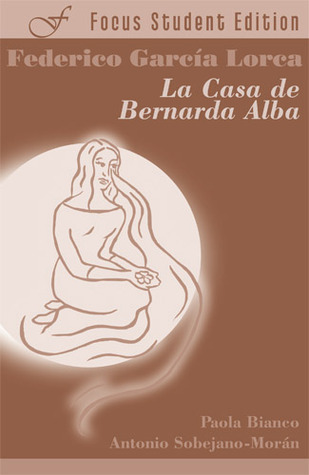
Title: La casa de Bernarda Alba
Published: 1930
Table of Contents
La Casa de Bernarda Alba by Federico García Lorca: A Masterpiece of Spanish Literature
La Casa de Bernarda Alba, written by Federico García Lorca and first published on January 1, 1930, is a powerful play that delves into the complexities of Spanish society, particularly the repressive nature of traditional gender roles and societal expectations. Set in a small village in Andalusia, the play explores the lives of five daughters who are confined to their home by their tyrannical mother, Bernarda Alba. Through vivid language and intense symbolism, García Lorca paints a vivid portrait of a stifling environment filled with jealousy, passion, and despair.
Characters
Bernarda Alba: The matriarch of the household, Bernarda is a stern and domineering woman who rules her daughters with an iron fist. She is obsessed with upholding the family's honor and reputation, even at the cost of her daughters' happiness.
Adela: The youngest daughter, Adela is rebellious and passionate, craving freedom and love. She represents the embodiment of suppressed desires and the longing for a life beyond the confines of her home.
Martirio: The middle daughter, Martirio is envious and resentful of her sisters. She is consumed by jealousy and bitterness, which ultimately lead to tragic consequences.
Angustias: The eldest daughter, Angustias is wealthy but plain-looking. She is engaged to Pepe el Romano, a man whom all the sisters desire, leading to intense rivalry and conflict.
Detailed Summary
The play begins with the death of Bernarda Alba's second husband, leaving her a widow for the second time. She imposes a strict eight-year mourning period on her daughters, forbidding them from leaving the house or interacting with the outside world. The daughters, each with their own desires and frustrations, are forced to confront their suppressed emotions and the suffocating atmosphere within the household.
Adela, the youngest daughter, falls in love with Pepe el Romano, the fiancé of her older sister Angustias. Their forbidden love ignites a fierce rivalry among the sisters, culminating in a tragic and violent confrontation. As the tension escalates, secrets are revealed, and long-buried resentments come to the surface, leading to a devastating conclusion.
Analysis
La Casa de Bernarda Alba is a powerful exploration of the destructive effects of societal norms and expectations on individuals, particularly women. García Lorca skillfully weaves together themes of repression, desire, jealousy, and power, creating a tension-filled drama that resonates with audiences to this day. The claustrophobic setting of the play serves as a metaphor for the oppressive nature of societal constraints, highlighting the struggles faced by women in a patriarchal society.
The characters in the play are complex and multifaceted, each representing different aspects of the human experience. Bernarda Alba embodies the rigid adherence to tradition and societal norms, while Adela symbolizes rebellion and passion. The interactions between the characters reveal the intricate dynamics of family relationships, as well as the destructive consequences of jealousy and resentment.
García Lorca's language is poetic and evocative, drawing the reader into the intense emotional world of the characters. The use of symbolism and metaphor enhances the depth and complexity of the play, inviting audiences to reflect on the universal themes of love, power, and freedom.
Final thoughts
To conclude, La Casa de Bernarda Alba is a timeless masterpiece of Spanish literature that continues to captivate audiences with its powerful themes and vivid characters. García Lorca's exploration of the human psyche and the repressive forces of society resonates with readers across cultures and generations. We highly recommend diving into this gripping play to experience the raw emotions and profound insights it offers.
If you enjoyed this summary, we encourage you to purchase the complete book or listen to the audiobook for a more immersive experience. La Casa de Bernarda Alba is a must-read for anyone interested in Spanish literature, drama, or the complexities of human nature.
9781585101436 (ISBN10: 1585101435)
Format: 96 pages, Paperback
Original Title: La casa de Bernarda Alba
Edition: May 1, 1945 by Focus
Rembulan Tenggelam Di Wajahmu Summary of Tere Liye's Book

Julius Caesar Summary of William Shakespeare's Book

Prometheus Bound Summary of Aeschylus's Book

As You Like It Summary of William Shakespeare's Book

Hedda Gabler Summary of Henrik Ibsen's Book

The Prodigal Daughter Summary of Jeffrey Archer's Book
Related Books