

Leaves of Grass Summary of Walt Whitman's Book
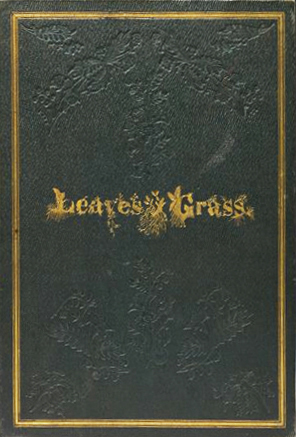
Title: Leaves of Grass
Published: 1855
Table of Contents
Unlocking the Beauty of Nature and Identity in "Leaves of Grass" by Walt Whitman
Walt Whitman's magnum opus, "Leaves of Grass," is a collection of quintessentially American poems that captures the essence of the nation's landscape, people, and spirit. First published on July 4, 1855, this seminal work marked a radical departure from traditional poetic forms and themes of the time. With its celebration of democracy, individualism, and the beauty of the natural world, "Leaves of Grass" remains one of the most influential works in American literature.
Characters
While "Leaves of Grass" does not follow a traditional narrative structure with specific characters, the poems themselves can be seen as characters in their own right. Whitman's voice is a central presence throughout the collection, offering a glimpse into his unique perspective on life, love, and the human experience. The various personas and voices that appear in the poems reflect the diverse range of identities and perspectives that make up the American landscape.
Detailed Summary
"Leaves of Grass" is divided into sections, each exploring different themes and aspects of Whitman's poetic vision. The first section, "Song of Myself," is perhaps the most famous and iconic part of the collection. In this sprawling poem, Whitman celebrates the individual self as a source of infinite beauty and possibility. He embraces all aspects of human experience, from the mundane to the sublime, and invites readers to join him in a journey of self-discovery and self-acceptance.
Other sections of the collection explore themes such as nature, love, democracy, and the passage of time. Whitman's poems are characterized by their free verse form, meandering syntax, and expansive imagery. His language is rich and sensual, evoking the sights, sounds, and sensations of the world around us. Through his words, Whitman invites readers to experience the joy and wonder of existence in all its myriad forms.
Analysis
"Leaves of Grass" is a deeply humanistic work that celebrates the beauty and complexity of life. Whitman's poems are marked by a profound sense of empathy and inclusivity, embracing all people regardless of their background or beliefs. He celebrates the diversity of the American experience, capturing the spirit of a nation in flux and transformation.
One of the key themes of "Leaves of Grass" is the idea of interconnectedness and unity. Whitman sees all things as interconnected and interdependent, reflecting a deep reverence for the natural world and the human community. His vision of democracy is expansive and inclusive, rooted in a belief in the inherent dignity and worth of every individual.
Through his poetry, Whitman seeks to awaken readers to the beauty and wonder that surrounds them, encouraging them to see the world with fresh eyes and an open heart. His language is vibrant and alive, drawing readers into a sensory experience that transcends words on a page. "Leaves of Grass" is a work that invites readers to pause, reflect, and savor the richness of life in all its complexity.
Final thoughts
To conclude, "Leaves of Grass" by Walt Whitman is a timeless masterpiece that continues to inspire and resonate with readers to this day. Its evocative imagery, lyrical language, and profound insights into the human experience make it a must-read for anyone interested in exploring the depths of American literature. If you have not yet experienced the beauty and power of Whitman's poetry, I highly recommend picking up a copy of "Leaves of Grass" and immersing yourself in its unparalleled beauty.
Beloved readers, if you enjoyed this summary, I encourage you to purchase the complete book or listen to the audiobook for a deeper dive into the world of "Leaves of Grass." Happy reading!
Format: 624 pages, Paperback
Original Title: Leaves of Grass
Edition: August 1, 2006 by Simon Schuster
Babbitt Summary of Sinclair Lewis's Book

The Oranging of America and Other Stories Summary of Max Apple's Book

Raise High the Roof Beam, Carpenters & Seymour: An Introduction Summary of J.D. Salinger's Book

What Matters Most is How Well You Walk Through the Fire Summary of Charles Bukowski's Book

This Side of Paradise Summary of F. Scott Fitzgerald's Book

The Music of Chance Summary of Paul Auster's Book
Related Books