

Les Misérables Summary of Victor Hugo's Book
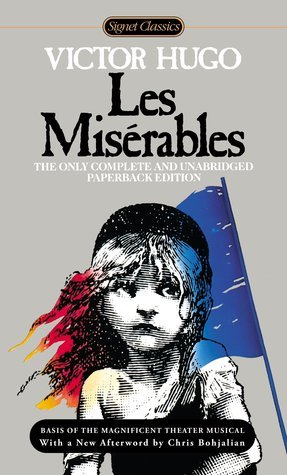
Title: Les Misérables
Published: 1862
Table of Contents
Les Misérables by Victor Hugo: A Classic Masterpiece of Injustice, Heroism, and Love
Les Misérables, written by the French author Victor Hugo, is a timeless classic that has captured the hearts of readers for generations. Originally published on January 1, 1862, Les Misérables is a work of fiction, classified under the genres of Classics, Fiction, and Historical Fiction. The epic tale is set in the town of Montreuil and follows the lives of a diverse cast of characters as they navigate the tumultuous landscape of 19th century France. With its rich storytelling and profound themes, Les Misérables is a must-read for anyone who appreciates deep, complex narratives that explore the complexities of human nature and society.
Characters
Les Misérables is a saga that features a wide array of characters, each with their own unique traits and story arcs. Some of the key characters in the book include:
- Jean Valjean: The protagonist of the story, Jean Valjean is an escaped convict who is determined to turn his life around and become a respectable member of society. His journey towards redemption forms the core of the novel.
- Javert: The relentless Inspector Javert is Valjean's arch-nemesis, hell-bent on bringing the former convict to justice for his past crimes. His unwavering pursuit of Valjean sets the stage for a dramatic confrontation.
- Cosette: The daughter of Fantine, Cosette is a symbol of hope and innocence in a world fraught with hardship and suffering. Valjean takes her under his wing and raises her as his own daughter.
- Fantine: A tragic figure in the story, Fantine is driven to desperation and ultimately to prostitution in order to provide for her daughter. Her heartbreaking story serves as a poignant commentary on the plight of the poor and downtrodden.
- Bishop Myriel: A compassionate and generous man, Bishop Myriel plays a pivotal role in Valjean's transformation, offering him a second chance at life and redemption.
Detailed Summary
Les Misérables follows the journey of Jean Valjean, a former convict who seeks redemption after being released from prison. Despite his best efforts to lead a virtuous life, Valjean is constantly pursued by the relentless Inspector Javert, who is determined to bring him to justice for his past crimes. Along the way, Valjean encounters a cast of characters who shape his destiny, including the kind-hearted Bishop Myriel, the tragic Fantine, and the innocent Cosette.
As Valjean strives to protect Cosette and evade Javert's grasp, he is forced to confront his own inner demons and grapple with the moral complexities of his actions. His unwavering commitment to doing what is right, even in the face of overwhelming odds, serves as a powerful testament to the strength of the human spirit and the transformative power of love and compassion.
Extensive Analysis
At its core, Les Misérables is a profound exploration of themes such as justice, redemption, love, and the struggle for human dignity. Through the lens of its diverse characters and intricate plot, the novel exposes the harsh realities of life in 19th century France, shedding light on the social injustices and inequalities that plagued society at the time. Victor Hugo's masterful storytelling and richly drawn characters bring these themes to life in a way that is both timeless and universally relatable.
One of the key themes of the novel is the idea of redemption and the capacity for individuals to change and grow. Jean Valjean's transformation from a hardened criminal to a compassionate and selfless guardian is a powerful example of the redemptive power of forgiveness and love. His journey serves as a compelling reminder that no one is beyond redemption, no matter how dark their past may be.
Additionally, Les Misérables explores the complex interplay between justice and mercy, as embodied in the conflicting ideologies of Valjean and Javert. While Javert represents the rigid adherence to the letter of the law, Valjean embodies a more compassionate and forgiving approach to justice, ultimately challenging the conventional notions of right and wrong and forcing readers to question their own beliefs about morality and ethics.
Final thoughts
Les Misérables is a timeless classic that continues to resonate with readers of all ages and backgrounds. With its compelling characters, richly detailed setting, and thought-provoking themes, Victor Hugo's masterpiece is a literary tour de force that will captivate and inspire readers for generations to come. Whether you are a fan of historical fiction, classic literature, or simply enjoy a well-crafted narrative, Les Misérables is a must-read that will leave a lasting impression on your heart and mind.
If you enjoyed this brief summary, I encourage you to purchase the complete book or listen to the audiobook to experience the full depth and beauty of Victor Hugo's masterwork.
Format: 1463 pages, Mass Market Paperback
Original Title: Les Misérables
Edition: March 3, 1987 by Penguin
Swallows and Amazons Summary of Arthur Ransome's Book

The Moon Is a Harsh Mistress Summary of Robert A. Heinlein's Book

Franny and Zooey Summary of J.D. Salinger's Book

Tales of Ordinary Madness Summary of Charles Bukowski's Book

At the Mountains of Madness and Other Tales of Terror Summary of H.P. Lovecraft's Book

The Lover Summary of Marguerite Duras's Book
Related Books