

Lila: An Inquiry Into Morals Summary of Robert M. Pirsig's Book
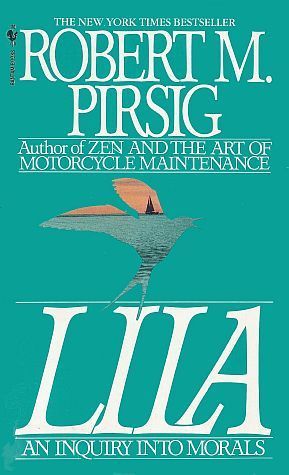
Phaedrus #2
Title: Lila: An Inquiry Into Morals
Published: 1991
Table of Contents
Lila: An Inquiry Into Morals by Robert M. Pirsig - A Deep Dive into Philosophy, Fiction, and Literature
Robert M. Pirsig, renowned author of Zen and the Art of Motorcycle Maintenance, released his highly anticipated book Lila: An Inquiry Into Morals in 1991. Part of the Phaedrus #2 saga, Lila takes readers on a thought-provoking journey exploring the complexities of morality, philosophy, and human nature. Set against the backdrop of a sailboat journey down the Hudson River, the book introduces us to intriguing characters such as Lila, Phaedrus, Richard Rigel, and Bill Capella. Through Phaedrus' encounters with Lila, a woman filled with desperation and madness, Pirsig delves into profound questions about existence and the nature of reality.
Characters
Lila: The central character of the book, Lila is a complex and enigmatic woman whose presence disrupts Phaedrus' life during his sailboat journey. Filled with sexuality, hostility, and impending madness, Lila challenges Phaedrus' philosophical beliefs and forces him to confront his own inner turmoil.
Phaedrus: The philosopher-narrator of the story, Phaedrus embarks on a poignant and passionate journey down the Hudson River. As he grapples with Lila's disruptive presence, Phaedrus explores deep philosophical questions and wrestles with his own inner demons.
Richard Rigel: A supporting character in the book, Richard Rigel plays a significant role in Phaedrus' journey. As a fellow traveler on the sailboat, Richard's interactions with Phaedrus and Lila add depth to the exploration of morality and human relationships.
Bill Capella: Another character who joins Phaedrus on his sailboat journey, Bill Capella's presence adds an additional layer of complexity to the narrative. Through his interactions with Phaedrus and Lila, Bill contributes to the philosophical discourse that permeates the story.
Detailed Summary
In Lila, Robert M. Pirsig crafts a captivating narrative that blends adventure and intellectual inquiry. As Phaedrus navigates the waters of the Hudson River, he encounters Lila, a woman whose troubled past and unpredictable behavior spark a profound exploration of morals and ethics. Through their interactions, Phaedrus is forced to confront his own beliefs and assumptions, leading to a profound journey of self-discovery.
As Phaedrus and Lila engage in deep philosophical discussions, the narrative delves into profound questions about the nature of reality, the meaning of existence, and the complexities of human relationships. Pirsig's lyrical prose and intricate storytelling create a rich tapestry of ideas that challenge readers to reexamine their own beliefs and values.
Throughout the book, Phaedrus grapples with Lila's enigmatic presence, trying to make sense of her desperate sexuality and impending madness. As their journey unfolds, Phaedrus is forced to confront his own inner turmoil and darkness, leading to a powerful exploration of morality and the human condition.
As the story reaches its climax, Phaedrus is faced with a series of choices that will ultimately define his path forward. Through his interactions with Lila, Richard Rigel, and Bill Capella, Phaedrus embarks on a profound quest for meaning and truth, challenging readers to think deeply about the nature of existence and the complexities of ethics.
Extensive Analysis
At its core, Lila: An Inquiry Into Morals is a thought-provoking exploration of the human experience. Through the lens of Phaedrus' sailboat journey and his encounters with Lila, Pirsig delves into the fundamental questions that have plagued philosophers for centuries. Themes of morality, ethics, reality, and the nature of existence are woven throughout the narrative, inviting readers to engage in deep introspection and contemplation.
Pirsig's masterful storytelling and philosophical insights make Lila a compelling read for anyone interested in the intersection of literature and philosophy. By blending elements of fiction with profound philosophical inquiry, Pirsig challenges readers to think critically about the world around them and to consider the implications of their own beliefs and actions.
Throughout the book, Pirsig emphasizes the importance of moral inquiry and philosophical reflection in navigating the complexities of modern life. By encouraging readers to engage with deep existential questions and ethical dilemmas, Lila serves as a powerful reminder of the significance of self-examination and intellectual curiosity.
Overall, Lila: An Inquiry Into Morals is a captivating and thought-provoking work that invites readers to embark on a transformative journey of self-discovery and exploration. Through its rich character development, lyrical prose, and profound philosophical insights, Lila challenges readers to reconsider their own beliefs and values, ultimately leading to a deeper understanding of the human experience.
Final thoughts
To conclude, Lila: An Inquiry Into Morals by Robert M. Pirsig is a captivating and introspective exploration of morality, philosophy, and human nature. Through its compelling narrative and profound philosophical inquiry, the book offers readers a thought-provoking journey into the complexities of existence and ethics. If you enjoyed this summary, we strongly encourage you to purchase the complete book to fully immerse yourself in Pirsig's world of intellectual depth and philosophical insight.
For those who prefer audiobooks, we recommend listening to Lila: An Inquiry Into Morals for a captivating and immersive experience that will challenge your thinking and leave you pondering life's deepest questions. Get ready to embark on a transformative journey of self-discovery with Lila and Phaedrus as your guides.
9780553299618 (ISBN10: 0553299611)
Format: 480 pages, Mass Market Paperback
Original Title: Lila: An Inquiry into Morals
Edition: December 1, 1992 by Bantam
Peak Summary of Roland Smith's Book

Assassin's Quest Summary of Robin Hobb's Book

The Absolute Sandman, Volume 1 Summary of Neil Gaiman's Book

The Narrow Road to the Deep North Summary of Richard Flanagan's Book

The Girls in the Garden Summary of Lisa Jewell's Book

Boyfriend Material Summary of Alexis Hall's Book
Related Books