

Meditations Summary of Marcus Aurelius's Book
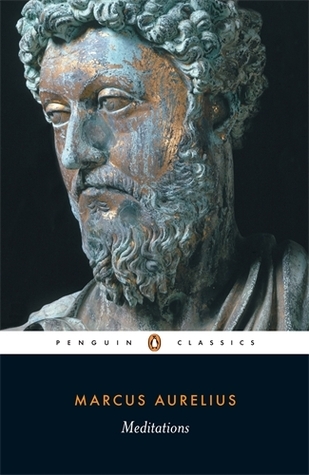
Title: Meditations
Published: 180
Table of Contents
Delve into Ancient Wisdom: A Comprehensive Analysis of Meditations by Marcus Aurelius
Meditations by Marcus Aurelius is not just a book; it is a timeless masterpiece that transcends the boundaries of time and culture. This ancient text, first published on January 1, 180, is a testament to the power of introspection and self-improvement. Written by Marcus Aurelius, the only Roman emperor who was also a philosopher, Meditations offers a unique insight into the inner workings of a powerful ruler grappling with existential questions and personal struggles. In this mega-article, we will explore the characters, provide a detailed summary, and offer an extensive analysis of this profound work of philosophy.
Characters
The main character in Meditations is Marcus Aurelius himself. As the Roman Emperor from 161 to 180, Marcus Aurelius was a stoic philosopher who sought to understand himself and the universe around him. Another important character in the book is Antoninus Pius, Marcus Aurelius' adoptive father and predecessor as emperor. Although characters are not central to the book in the traditional sense, their influence and teachings shape the philosophical musings found within its pages.
Detailed Summary
Meditations is a collection of personal reflections and philosophical meditations written by Marcus Aurelius in Greek. Composed without any intention of publication, the book offers a glimpse into the inner thoughts of a powerful ruler struggling to make sense of his role in the universe. Divided into 12 books, Meditations covers a wide range of topics, including virtue, wisdom, fate, and mortality.
Throughout the text, Marcus Aurelius grapples with his own imperfections and the impermanence of life. He reflects on the importance of living a virtuous and ethical life, free from the distractions of material wealth and fame. He urges readers to focus on their inner selves and cultivate a sense of peace and harmony within.
Analysis
Meditations is not just a philosophical treatise; it is a practical guide to living a meaningful and fulfilling life. Marcus Aurelius' teachings on stoicism, virtue, and self-discipline offer valuable insights that are as relevant today as they were in ancient Rome. The book challenges readers to confront their own flaws and limitations, and to strive for personal growth and self-improvement.
One of the key themes in Meditations is the idea of embracing fate and accepting the things that are beyond our control. Marcus Aurelius emphasizes the importance of maintaining inner peace and tranquility in the face of adversity, and encourages readers to focus on what is within their power to change.
Overall, Meditations is a timeless work of philosophy that continues to inspire readers across the centuries. Its profound insights and universal truths make it a must-read for anyone seeking wisdom and guidance in their own lives.
If you enjoyed this summary of Meditations by Marcus Aurelius, consider purchasing the complete book to delve deeper into its teachings. Alternatively, you can listen to the audiobook for a convenient and immersive experience. Embrace the wisdom of the ancients and embark on a journey of self-discovery with Meditations.
9780140449334 (ISBN10: 0140449337)
Format: 254 pages, Paperback
Original Title: Τὰ εἰς ἑαυτόν
Edition: April 27, 2006 by Penguin Books
Going Clear: Scientology, Hollywood, and the Prison of Belief Summary of Lawrence Wright's Book

The Omnivore's Dilemma: A Natural History of Four Meals Summary of Michael Pollan's Book

The Power Broker: Robert Moses and the Fall of New York Summary of Robert A. Caro's Book

Truman Summary of David McCullough's Book

The Decline and Fall of the Roman Empire Summary of Edward Gibbon's Book

Flags of Our Fathers Summary of James D. Bradley's Book
Related Books