

Memoirs of Hadrian Summary of Marguerite Yourcenar's Book
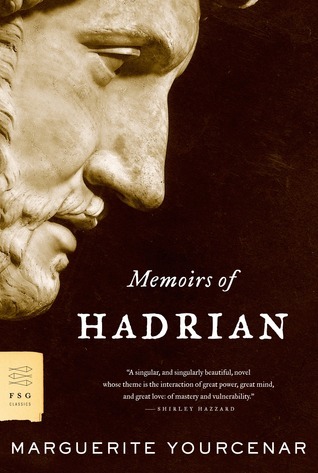
Title: Memoirs of Hadrian
Published: 1951
Table of Contents
Exploring the Depths of History: A Comprehensive Look at "Memoirs of Hadrian" by Marguerite Yourcenar
An Introduction to "Memoirs of Hadrian"
Marguerite Yourcenar's "Memoirs of Hadrian" is a literary masterpiece that delves deep into the life and mind of one of ancient Rome's most intriguing figures. First published in 1951, this historical fiction novel takes readers on a journey through the life of Emperor Hadrian, offering a fictionalized account of his rise to power, his triumphs and struggles, and his profound influence on the Roman Empire. Through Yourcenar's meticulous research and vivid imagination, readers are transported to a world of political intrigue, military conquests, and personal reflection.
The Characters of "Memoirs of Hadrian"
- Hadrian: The titular character of the novel, Hadrian is a complex and enigmatic figure whose life and rule are central to the narrative. As Emperor of Rome, Hadrian is portrayed as a visionary leader, a shrewd politician, and a thoughtful philosopher. Through his "memoirs," readers gain insight into his innermost thoughts, fears, and aspirations.
- Antinoüs: A pivotal figure in Hadrian's life, Antinoüs is a young Bithynian youth who develops a close and intimate relationship with the Emperor. Their bond shapes much of Hadrian's later years and serves as a profound reflection on love, loss, and mortality.
- Trajan: The predecessor of Hadrian, Trajan is a powerful and influential emperor whose legacy casts a long shadow over Hadrian's reign. His presence in the novel serves as a reminder of the weight of history and the challenges of living up to one's predecessors.
- Vibia Sabina: Hadrian's wife, Vibia Sabina, is a complex and enigmatic character whose relationship with the Emperor is fraught with tension and emotion. Her interactions with Hadrian reveal the intricacies of power, duty, and desire within the Roman Empire.
A Detailed Summary of "Memoirs of Hadrian"
In "Memoirs of Hadrian," Marguerite Yourcenar takes readers on a sweeping journey through the life of Emperor Hadrian, from his humble beginnings as a young boy in Spain to his ascension to the throne of Rome. The novel is structured as a series of letters and reflections written by Hadrian himself, offering a rare glimpse into the inner workings of one of history's most enigmatic figures.
The narrative begins with Hadrian's tumultuous childhood and his early experiences in the Roman military. Through his travels and conquests, Hadrian learns the art of war and diplomacy, honing his skills as a leader and strategist. Along the way, he forges meaningful relationships with figures such as Antinoüs, whose tragic fate leaves a lasting impact on the Emperor.
As Hadrian rises to power, he is faced with the challenges of governing a vast and diverse empire. From dealing with political rivals to managing rebellions and uprisings, Hadrian must navigate a complex web of alliances and conflicts in order to maintain stability and order. Through it all, he grapples with his own mortality and legacy, reflecting on the fleeting nature of power and the inevitability of death.
The novel culminates in Hadrian's reflections on his life and rule, as he contemplates the meaning of his legacy and the impact of his actions on future generations. Through his "memoirs," readers are presented with a profound meditation on history, power, and the human experience, as seen through the eyes of one of Rome's most enigmatic rulers.
An Extensive Analysis of "Memoirs of Hadrian"
"Memoirs of Hadrian" is a work of remarkable depth and complexity, blending historical fact with literary imagination to create a vivid and compelling portrait of one of Rome's most iconic figures. Through Yourcenar's lyrical prose and meticulous research, readers are immersed in the sights, sounds, and emotions of ancient Rome, experiencing the triumphs and tragedies of Hadrian's reign firsthand.
One of the novel's most striking aspects is its exploration of character, particularly in the case of Hadrian himself. Through his introspective and introspective voice, readers gain a deep insight into the complexities of the Emperor's personality, from his ambition and intelligence to his vulnerability and doubts. Hadrian emerges as a multi-dimensional figure, torn between duty and desire, power and compassion, as he grapples with the weight of his own mortality and the legacy he will leave behind.
In addition to its portrayal of Hadrian, the novel also delves into broader themes of history, politics, and power. Yourcenar deftly navigates the intricacies of Roman society, offering a nuanced portrayal of the dynamics between rulers and subjects, conquerors and conquered. Through the lens of Hadrian's experiences, readers are invited to reflect on the complexities of leadership, the nature of empire, and the enduring impact of human ambition.
Overall, "Memoirs of Hadrian" stands as a masterful achievement in historical fiction, blending meticulous research with poetic imagination to create a vivid and compelling portrait of one of ancient Rome's most enigmatic rulers. Through its exploration of character, themes, and historical context, the novel offers a rich and immersive reading experience that will captivate and enlighten readers of all backgrounds.
If you have been intrigued by this summary of "Memoirs of Hadrian" by Marguerite Yourcenar, I highly recommend purchasing the complete book to fully immerse yourself in the world of ancient Rome and the life of Emperor Hadrian. Alternatively, consider listening to the audiobook for a captivating retelling of this timeless story. Happy reading!
9780374529260 (ISBN10: 0374529264)
Format: 347 pages, Paperback
Original Title: Mémoires d'Hadrien
Edition: May 18, 2005 by Farrar, Straus and Giroux
Swallows and Amazons Summary of Arthur Ransome's Book

The Moon Is a Harsh Mistress Summary of Robert A. Heinlein's Book

Franny and Zooey Summary of J.D. Salinger's Book

Tales of Ordinary Madness Summary of Charles Bukowski's Book

At the Mountains of Madness and Other Tales of Terror Summary of H.P. Lovecraft's Book

The Lover Summary of Marguerite Duras's Book
Related Books