

Metamorphoses Summary of Ovid's Book
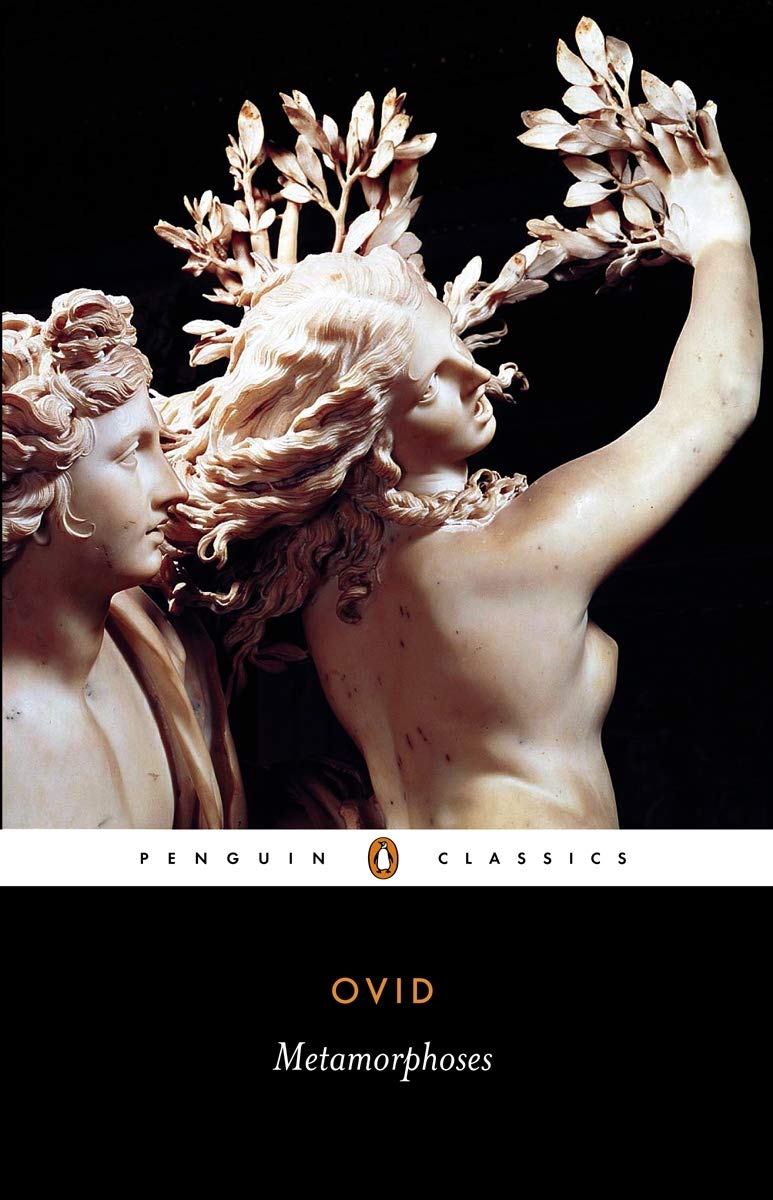
Title: Metamorphoses
Published: 8
Table of Contents
Exploring the Depths of Transformation: A Summary of Metamorphoses by Ovid
Ovid's Metamorphoses is a timeless classic that delves deep into the realm of mythology, exploring the transformative power of love and lust. Published in 8 AD, this epic poem weaves together a tapestry of mythological tales, connecting them through the common thread of metamorphosis. From the creation of the world to the deification of Augustus, Ovid takes readers on a journey through the rich tapestry of Greek and Roman legends, from Daedalus and Icarus to Pyramus and Thisbe. With its witty and sensuous prose, Metamorphoses has captivated readers for centuries, inspiring writers and artists alike.
Characters
- Odysseus: A legendary Greek hero, known for his cunning intellect and resourcefulness.
- Venus (goddess): The Roman goddess of love and beauty, often associated with the Greek goddess Aphrodite.
- Ares (god): The Greek god of war, known for his fierce and violent nature.
- Perseus: A hero in Greek mythology, known for his slaying of the Gorgon Medusa.
- Jupiter (God): The king of the Roman gods, equivalent to the Greek god Zeus.
- Orpheus: A legendary musician and poet in Greek mythology, known for his ability to charm all living things with his music.
- Aeneas: A Trojan hero and the son of the goddess Venus, known for his role in the founding of Rome.
Summary
In Metamorphoses, Ovid explores the theme of transformation through a series of interconnected myths and legends. The poem begins with the creation of the world and traces the stories of gods, heroes, and mortals whose lives are forever changed by love and desire. From the tragic tale of Pyramus and Thisbe to the epic adventures of Perseus and Andromeda, Ovid weaves together a tapestry of mythological stories that celebrate the power of change.
Throughout the poem, Ovid explores the complexities of human emotions and relationships, showcasing both the beauty and the dangers of love. As characters undergo physical and emotional transformations, they are forced to confront their desires, fears, and vulnerabilities. Ovid's playful and witty prose breathes new life into ancient myths, inviting readers to reflect on the eternal themes of love, loss, and transformation.
Analysis
Metamorphoses is a masterpiece of classical literature, blending poetry, mythology, and philosophy to create a rich and multifaceted work. Ovid's playful and irreverent style challenges traditional narratives, inviting readers to reconsider familiar myths and legends from a new perspective. By exploring the theme of transformation, Ovid highlights the fluidity of identity and the ever-changing nature of life itself.
Through his vivid imagery and lyrical language, Ovid creates a world that is both magical and relatable, inviting readers to explore the depths of human experience. From the grandeur of the gods to the struggles of mortal heroes, Metamorphoses offers a glimpse into the complexities of the human condition, reminding us of the power of love, passion, and transformation.
Final thoughts
Metamorphoses is a timeless classic that continues to captivate readers with its rich storytelling and thought-provoking themes. Whether you are a lover of mythology, poetry, or classical literature, Ovid's epic poem is sure to enchant and inspire. If you have enjoyed this summary, we encourage you to explore the complete book to experience the full depth and beauty of Ovid's masterpiece. Alternatively, consider listening to the audiobook for a captivating and immersive experience.
9780140447897 (ISBN10: 014044789X)
Format: 723 pages, Paperback
Original Title: Metamorphoseon libri XV
Edition: August 3, 2004 by Penguin
Swallows and Amazons Summary of Arthur Ransome's Book

The Moon Is a Harsh Mistress Summary of Robert A. Heinlein's Book

Franny and Zooey Summary of J.D. Salinger's Book

Tales of Ordinary Madness Summary of Charles Bukowski's Book

At the Mountains of Madness and Other Tales of Terror Summary of H.P. Lovecraft's Book

The Lover Summary of Marguerite Duras's Book
Related Books