

Musicophilia: Tales of Music and the Brain Summary of Oliver Sacks's Book
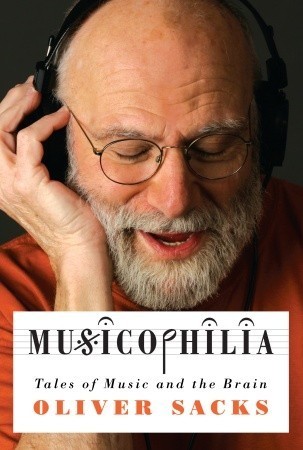
Title: Musicophilia: Tales of Music and the Brain
Published: 2007
Table of Contents
Musicophilia: Tales of Music and the Brain by Oliver Sacks
In his book "Musicophilia: Tales of Music and the Brain," Oliver Sacks delves into the fascinating relationship between music and the human brain. Published on January 1, 2007, this nonfiction work explores the profound impact that music has on our minds and bodies. Sacks, a renowned neurologist and author, brings his signature blend of compassion and insight to the subject, examining how music influences our emotions, memories, and even our identities.
Characters
While "Musicophilia" does not have traditional characters in the way a novel does, the book is filled with real-life individuals whose experiences with music are nothing short of extraordinary. These individuals include a man struck by lightning who develops a sudden passion for playing the piano, a group of children with Williams syndrome who possess an innate musical talent, and individuals with amusia who struggle to appreciate the beauty of music. Each person featured in Sacks' book offers a unique and thought-provoking perspective on the ways in which music can shape our lives.
Detailed Summary
In "Musicophilia," Oliver Sacks presents a series of captivating stories that highlight the intricate connection between music and the brain. From cases of musical savants to individuals with neurological disorders that affect their perception of music, Sacks explores the diverse ways in which music can profoundly impact human experience.
One of the most striking cases Sacks discusses is that of a man who, after being struck by lightning, suddenly develops an intense desire to become a pianist at the age of forty-two. This improbable transformation raises intriguing questions about the malleability of the human brain and its capacity to adapt to new passions and pursuits.
Sacks also delves into the phenomenon of musical savants, individuals with exceptional musical abilities despite other cognitive challenges. He shares the stories of children with Williams syndrome, a rare genetic disorder that often results in hypermusicality from a young age. These children demonstrate a remarkable affinity for music and possess a natural talent that transcends their cognitive limitations.
Additionally, Sacks explores cases of individuals with amusia, a condition that impairs their ability to process and appreciate music. He describes how these individuals may perceive complex musical compositions as discordant noise or struggle to recognize familiar tunes.
Throughout the book, Sacks weaves together these diverse anecdotes to paint a rich and nuanced portrait of the power of music in our lives. He offers insights into how music can evoke memories, trigger emotions, and foster connections between individuals. "Musicophilia" is a testament to the profound impact that music can have on the human brain and the ways in which it can enrich and transform our lives.
Extensive Analysis
"Musicophilia" is a groundbreaking work that bridges the gap between neuroscience, psychology, and musicology. Oliver Sacks skillfully navigates complex scientific concepts while maintaining a sense of humanity and empathy in his writing. By exploring the intersection of music and the brain through real-life stories and case studies, Sacks offers readers a deeper understanding of the profound effects that music can have on our minds and bodies.
One of the key themes that emerges from "Musicophilia" is the idea that music is a universal language that transcends cultural and linguistic boundaries. Sacks demonstrates how music has the power to elicit emotional responses, trigger memories, and foster connections between individuals, regardless of their background or circumstances. Through his exploration of musical savants, individuals with neurological disorders, and everyday people who have been profoundly affected by music, Sacks highlights the transformative and healing potential of music in our lives.
Sacks also delves into the neuroscientific underpinnings of music, examining how the brain processes and responds to musical stimuli. He discusses the complex interplay between different regions of the brain involved in auditory perception, emotional processing, and memory retrieval, shedding light on how music can evoke powerful and sometimes unexpected reactions in listeners.
Overall, "Musicophilia" is a thought-provoking and deeply moving exploration of the intricate relationship between music and the human brain. Sacks' ability to blend scientific rigor with compassionate storytelling makes this book a compelling read for anyone interested in the profound impact that music can have on our lives.
Final thoughts
"Musicophilia: Tales of Music and the Brain" by Oliver Sacks is a captivating and insightful exploration of the power of music to shape our minds and souls. Through a series of compelling stories and case studies, Sacks illuminates the profound impact that music can have on our emotions, memories, and identities. Whether you are a music lover, a science enthusiast, or simply curious about the wonders of the human brain, "Musicophilia" is a must-read book that will leave you with a newfound appreciation for the transformative power of music.
If you enjoyed this summary, I highly recommend purchasing the complete book or listening to the audiobook to delve even deeper into the fascinating world of music and the brain. "Musicophilia" is a true masterpiece that will leave you inspired, enlightened, and utterly captivated.
9780676979787 (ISBN10: 0676979785)
Format: 400 pages, Hardcover
Original Title: Musicophilia: Tales of Music and the Brain
Edition: October 16, 2007 by Knopf Canada
Coming Through Slaughter Summary of Michael Ondaatje's Book

Scar Tissue Summary of Anthony Kiedis's Book

The Long Hard Road Out of Hell Summary of Marilyn Manson's Book

Bel Canto Summary of Ann Patchett's Book

How to Kill a Rock Star Summary of Tiffanie DeBartolo's Book

The Rocker That Needs Me Summary of Terri Anne Browning's Book
Related Books