

Native Son Summary of Richard Wright's Book
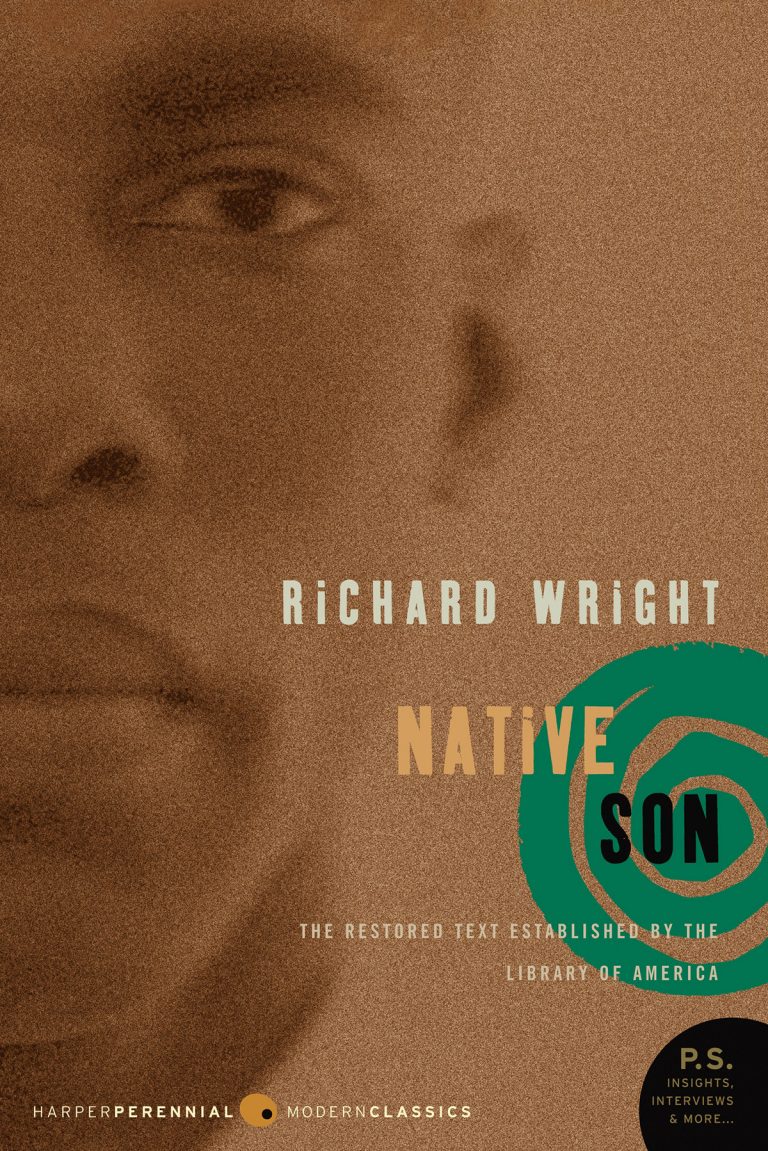
Title: Native Son
Published: 1940
Table of Contents
Exploring the Depths of Humanity in "Native Son" by Richard Wright
An Introduction to the Book
"Native Son" by Richard Wright, published on January 1, 1940, is a groundbreaking work that delves into the complexities of race, poverty, and oppression in America in the 1930s. This classic novel falls into the genres of Fiction, Classics, and Historical Fiction, offering readers a raw and unflinching look at the harsh realities faced by African Americans during this time period. Through the story of Bigger Thomas, Wright paints a vivid and gripping portrait of a young man caught in a cycle of violence and despair.
The Characters of "Native Son"
- Bigger Thomas: The protagonist of the novel, a young black man who finds himself at the center of a tragic and violent event.
- Mary Dalton: A wealthy white woman who becomes a victim of Bigger's actions.
- Mrs. Dalton: Mary's mother, who embodies the racism and ignorance of the white upper class.
- Henry Dalton: Mary's father, a wealthy businessman who symbolizes the systemic oppression faced by African Americans.
- Jan Erlone: A white Communist who befriends Bigger and tries to open his eyes to the injustices of society.
- Boris Max: Bigger's lawyer, who attempts to defend him in court.
- Mrs. Thomas: Bigger's mother, who struggles to provide for her family in a society that marginalizes them.
- Buddy Thomas and Vera Thomas: Bigger's siblings, who are also caught in the cycle of poverty and oppression.
A Detailed Summary of "Native Son"
"Native Son" opens with Bigger Thomas living in a cramped apartment with his family in a poor neighborhood in Chicago. Right from the start, it is clear that Bigger's life is defined by poverty, violence, and a sense of hopelessness. When he is offered a job as a chauffeur for the wealthy Dalton family, Bigger sees it as an opportunity to improve his circumstances. However, the Daltons' condescending attitude and ignorance of the struggles faced by African Americans only serve to deepen Bigger's feelings of anger and resentment.
In a moment of panic and confusion, Bigger accidentally kills Mary Dalton, the daughter of his employer. Fearing the consequences of his actions, Bigger attempts to cover up the crime, leading to a series of tragic events that ultimately culminate in his arrest and trial. As Bigger grapples with the enormity of what he has done, he is forced to confront the harsh realities of his existence as a black man in a society that views him as less than human.
Through Bigger's story, Wright exposes the deep-seated racism and prejudice that pervade every aspect of American society, from the justice system to the media. He also challenges readers to examine their own complicity in upholding these oppressive structures and to confront the ways in which they benefit from the suffering of others.
An Extensive Analysis of "Native Son"
"Native Son" is a powerful and provocative work that forces readers to confront the uncomfortable truths of race and privilege in America. By placing Bigger Thomas at the center of the narrative, Wright humanizes a character who is often marginalized and dehumanized by society. Through Bigger's experiences, Wright sheds light on the systemic injustices that perpetuate cycles of poverty, violence, and despair in African American communities.
One of the most striking aspects of the novel is Wright's unflinching portrayal of Bigger's inner turmoil. As he grapples with the consequences of his actions, Bigger reveals a complex and multifaceted character who is both a victim of his circumstances and an agent of his own fate. Through Bigger's journey, Wright challenges readers to reconsider their preconceived notions of race, guilt, and accountability.
In addition to its exploration of race and prejudice, "Native Son" also delves into themes of power, control, and agency. Throughout the novel, Bigger struggles to assert his own agency in a world that seeks to oppress and dehumanize him. His actions, while tragic, can be seen as a desperate attempt to assert his own autonomy in a society that denies him even the most basic human rights.
Overall, "Native Son" is a searing indictment of the injustices faced by African Americans in America and a powerful reminder of the urgent need for social change. Wright's unflinching portrayal of Bigger Thomas and his struggles serves as a rallying cry for justice, equality, and empathy in a world that too often turns a blind eye to the suffering of others.
Final thoughts
"Native Son" by Richard Wright is a seminal work that continues to resonate with readers today. Through its powerful storytelling and incisive social commentary, the novel offers a poignant and timely exploration of the complexities of race, poverty, and oppression in America. I highly recommend this book to anyone who is looking to delve into the depths of humanity and confront the uncomfortable truths of our society.
If you enjoyed this summary, I encourage you to purchase the complete book and experience the full impact of Wright's powerful narrative. Alternatively, you can listen to the audiobook version for a gripping and immersive reading experience unlike any other. Happy reading!
Format: 504 pages, Paperback
Original Title: Native Son
Edition: August 2, 2005 by Harper Perennial Modern Classics


Related Books