

Night Summary of Elie Wiesel's Book
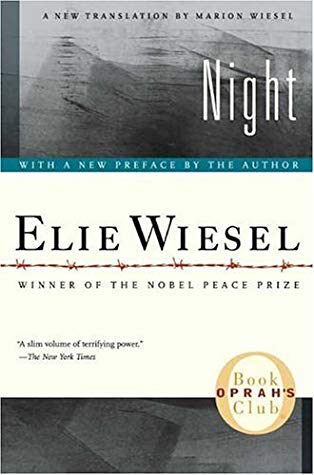
The Night Trilogy #1
Title: Night
Published: 1956
Table of Contents
Night by Elie Wiesel: A Haunting Memoir of the Holocaust
Night, written by Elie Wiesel, is a poignant memoir that recounts the author's experiences as a teenager during the Holocaust. First published in 1956, this powerful and gut-wrenching book has become a classic that serves as a stark reminder of the horrors of the Holocaust. Through vivid and haunting prose, Wiesel communicates the devastation and despair that he and his family endured during their time in concentration camps.
Characters
Elie Wiesel: The author and protagonist of the memoir, Elie is a teenager when he and his family are taken from their home in Sighet to Auschwitz and then Buchenwald. Throughout the book, Elie struggles to maintain his faith in the face of unimaginable atrocities.
Shlomo Wiesel: Elie's father, who accompanies him to the concentration camps. Despite facing hardships, Shlomo remains a pillar of strength for Elie during their ordeal.
Summary
Born in Sighet, Transylvania, Elie Wiesel's life takes a dark turn when he and his family are transported to Auschwitz during the height of World War II. The atrocities that Elie witnesses in the camp shake him to his core, challenging his beliefs and his very sense of self. As he struggles to survive the brutal conditions, Elie grapples with the loss of his family, his innocence, and his faith.
Throughout the memoir, Elie recounts the inhumanity that he and others faced at the hands of the Nazis. The dehumanization, cruelty, and senseless violence that he describes paint a stark and chilling picture of the Holocaust. Despite the horrors he endures, Elie somehow manages to hold onto a glimmer of hope, a determination to survive and bear witness to the atrocities he witnessed.
Analysis
Night is a powerful and moving account of one man's struggle to come to terms with the incomprehensible evil of the Holocaust. Elie Wiesel's prose is spare and haunting, conveying the depths of despair and anguish that he experienced during his time in the camps. Through his vivid descriptions and raw emotions, Wiesel forces the reader to confront the horrors of the Holocaust and the depths to which humanity can sink.
The memoir also grapples with themes of faith, innocence, and the loss of identity. As Elie watches the world around him crumble, he is forced to confront his own beliefs and grapple with the reality of evil. His struggles to maintain his faith in the face of such atrocities highlight the profound impact that the Holocaust had on not just the physical, but also the spiritual and emotional lives of those who endured it.
To conclude, Night is a stark and unflinching portrayal of one of the darkest chapters in human history. Elie Wiesel's memoir serves as a reminder of the atrocities of the Holocaust and a call to never forget the millions who lost their lives. It is a testament to the resilience of the human spirit in the face of unimaginable evil.
If you found this summary compelling, I highly encourage you to pick up a copy of Night by Elie Wiesel or listen to the audiobook to experience the full impact of this haunting memoir.
Format: 115 pages, Paperback
Original Title: Un di Velt Hot Geshvign
Edition: January 16, 2006 by Hill & Wang
Swallows and Amazons Summary of Arthur Ransome's Book

The Moon Is a Harsh Mistress Summary of Robert A. Heinlein's Book

Franny and Zooey Summary of J.D. Salinger's Book

Tales of Ordinary Madness Summary of Charles Bukowski's Book

At the Mountains of Madness and Other Tales of Terror Summary of H.P. Lovecraft's Book

The Lover Summary of Marguerite Duras's Book
Related Books