

Norse Mythology <div>Summary of Neil Gaiman's Book</div>
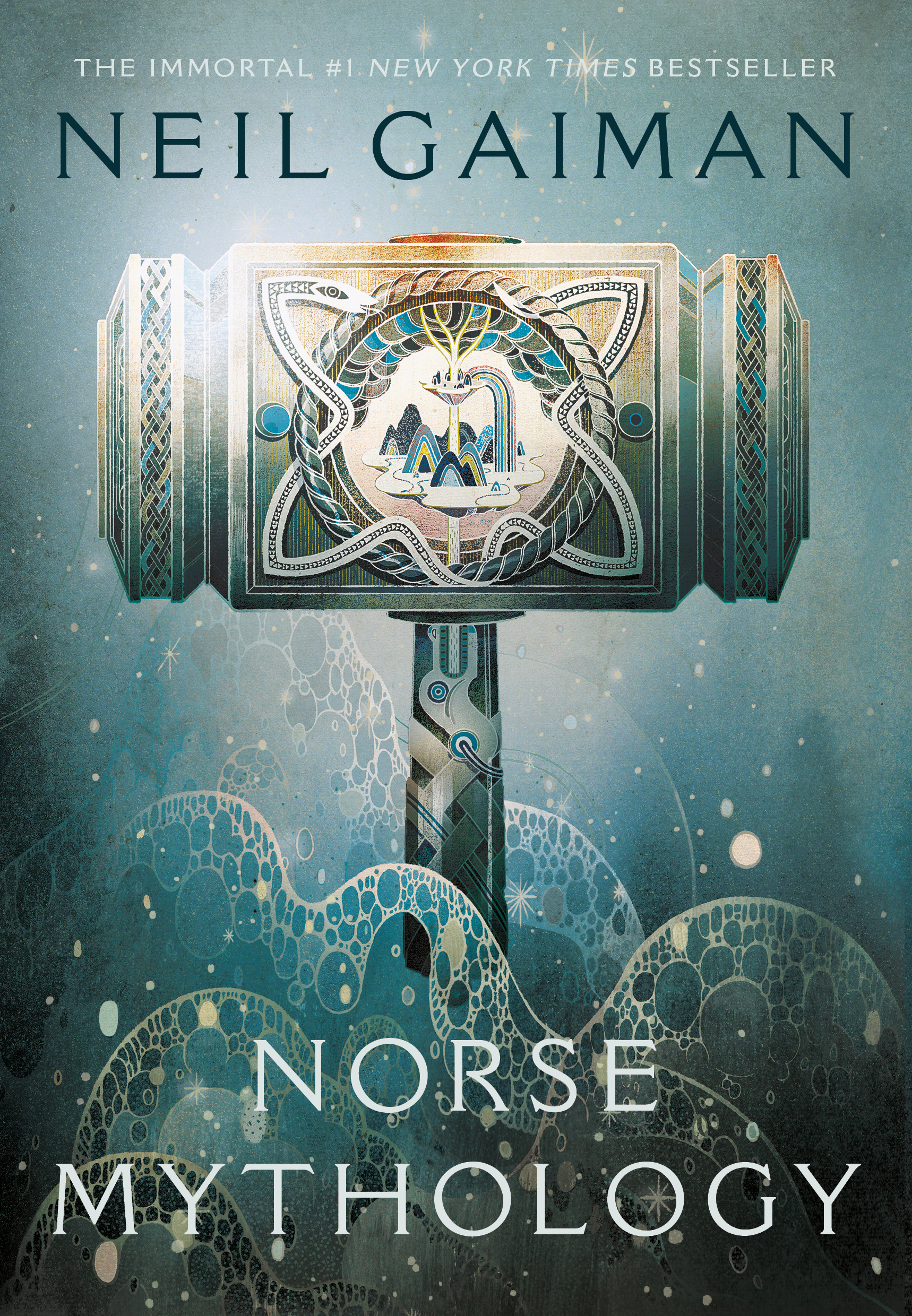
Title: Norse Mythology
Published: 2017
Table of Contents
Exploring the Mythical Realm: A Comprehensive Review of "Norse Mythology" by Neil Gaiman
Neil Gaiman, renowned for his captivating storytelling and imaginative world-building, delves into the rich tapestry of Norse mythology in his book "Norse Mythology." Published on February 7, 2017, this work of fiction transports readers to a realm inhabited by powerful gods, cunning tricksters, and fearsome giants. Drawing inspiration from ancient tales, Gaiman weaves together a narrative that brings to life the legendary figures of Odin, Thor, and Loki. In this comprehensive review, we will explore the diverse cast of characters, delve into the intricacies of the plot, and analyze the enduring themes present in this captivating saga.
Characters
- Thor: As the son of Odin, Thor is portrayed as incredibly strong but lacking in wisdom. Despite his physical prowess, he often finds himself entangled in various misadventures due to his impulsive nature.
- Loki: The mischievous and cunning trickster, Loki is a complex character who straddles the line between ally and adversary to the gods. Son of a giant, he is known for his clever schemes and ability to manipulate those around him.
- Odin: The chief of the Norse gods, Odin is revered for his wisdom, daring nature, and cunning intellect. As a central figure in the pantheon, he navigates the complexities of divine politics while safeguarding the realms from external threats.
Detailed Summary
In "Norse Mythology," Neil Gaiman embarks on a literary journey that spans from the creation of the nine worlds to the tumultuous events of Ragnarok, the prophesied end of the gods. Through a series of interconnected stories, readers are introduced to the intricate relationships between gods, giants, and other mythical beings. From Thor's epic battles with giants to Loki's duplicitous schemes that sow discord among the gods, each tale offers insights into the complexities of divine existence.
Gaiman's narrative style imbues these timeless myths with a sense of immediacy and depth, capturing the essence of a world where honor, betrayal, and sacrifice are constants. Through vivid descriptions and evocative imagery, readers are transported to a realm where magic and mayhem intertwine, shaping the destiny of both gods and mortals alike.
Analysis
One of the strengths of "Norse Mythology" lies in its ability to humanize the gods, portraying them as flawed and dynamic beings rather than mere archetypes. Gaiman's nuanced depiction of characters such as Thor, Loki, and Odin showcases their vulnerabilities, desires, and moral ambiguities, adding layers of complexity to traditional mythological narratives.
Furthermore, the themes of fate, heroism, and the cyclical nature of existence are expertly woven throughout the book, inviting readers to reflect on universal truths and the transient nature of power. By delving into the rich tapestry of Norse mythology, Gaiman invites readers to ponder timeless questions about the nature of divinity, morality, and the inevitable march of time.
Final thoughts
To conclude, "Norse Mythology" by Neil Gaiman is a masterful retelling of ancient tales that captivates and enthralls readers with its rich storytelling and vivid imagination. Whether you are a fan of fantasy, mythology, or simply enjoy a well-crafted narrative, this book offers something for everyone. If you have been intrigued by the world of Norse mythology or are looking for a compelling read, I highly recommend diving into the pages of this enchanting saga.
To fully immerse yourself in the mythical realm crafted by Neil Gaiman, consider purchasing the complete book or exploring the audiobook version for a captivating listening experience. Happy reading!
Format: 301 pages, Paperback
Original Title: Norse Mythology
Edition: March 6, 2018 by W. W. Norton & Company
Scrappy Little Nobody Summary of Anna Kendrick's Book

Going Clear: Scientology, Hollywood, and the Prison of Belief Summary of Lawrence Wright's Book

Always and Forever, Lara Jean Summary of Jenny Han's Book

By Your Side Summary of Kasie West's Book

Drowning Summary of T.J. Newman's Book

The Storyteller: Tales of Life and Music Summary of Dave Grohl's Book
Related Books