

Notes from Underground, White Nights, The Dream of a Ridiculous Man, and Selections from The House of the Dead Summary of Fyodor Dostoevsky's Book
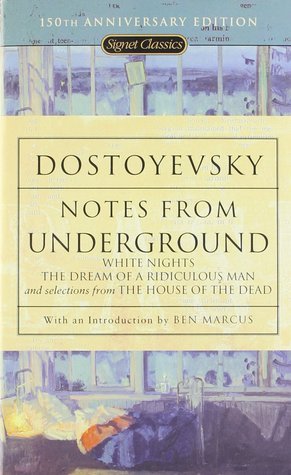
Title: Notes from Underground, White Nights, The Dream of a Ridiculous Man, and Selections from The House of the Dead
Published: 1864
Table of Contents
Exploring the Depths of Humanity in Dostoevsky's Masterpieces
An Introduction to Dostoevsky's Collection
Fyodor Dostoevsky, one of the most prominent figures in Russian literature, delves into the complexities of human nature and existential dilemmas in his collection of powerful stories - Notes from Underground, White Nights, The Dream of a Ridiculous Man, and Selections from The House of the Dead. First published in 1864, this collection offers a profound insight into the author's thoughts on political philosophy, religion, and above all, humanity.
Characters in the Stories
Dostoevsky's characters are often tormented individuals grappling with the complexities of their existence. In Notes from Underground, the unnamed narrator is a bitter and disillusioned former civil servant who retreats into a state of isolation and self-loathing. In White Nights, we meet the dreamy and romantic protagonist who finds solace in the fleeting moments of connection with a mysterious woman. The Dream of a Ridiculous Man follows a man who undergoes a transformation after a dream that leads him to question the nature of good and evil. In Selections from The House of the Dead, we encounter a diverse cast of characters - from the hardened criminals to the compassionate souls - reflecting the harsh realities of life in a Siberian prison.
Detailed Summary
Notes from Underground is a psychological novel that explores the inner turmoil of the underground man, who grapples with his alienation from society and his own self-destructive tendencies. White Nights is a poignant tale of unrequited love and fleeting happiness, as the protagonist forms a deep connection with a woman he meets on the streets of St. Petersburg. The Dream of a Ridiculous Man is a philosophical allegory that delves into the nature of good and evil, tracing the protagonist's journey from despair to enlightenment. Selections from The House of the Dead offers a harrowing portrayal of life in a Siberian prison, highlighting the humanity and resilience of its inmates amidst the brutality of their surroundings.
Analysis of Themes
Dostoevsky's works are characterized by a deep exploration of themes such as existentialism, morality, and the nature of suffering. The characters in his stories confront their inner demons and grapple with the complexities of human nature, offering profound insights into the human condition. The author's Christian worldview is evident in his compassionate portrayal of even the most flawed and morally compromised characters, as he seeks to understand the complexities of the human soul.
Final thoughts
To conclude, Dostoevsky's collection of stories offers a profound and thought-provoking exploration of the depths of humanity. From the existential angst of the underground man to the transcendent moments of connection in White Nights, the author delves into the complexities of the human experience with unparalleled depth and insight. If you are a fan of Russian literature or are interested in existential themes, I highly recommend picking up a copy of this seminal work.
If you enjoyed this summary, consider purchasing the complete book to immerse yourself in the rich tapestry of Dostoevsky's writing. Alternatively, you can also listen to the audiobook for a captivating auditory experience. Happy reading!
9780451529558 (ISBN10: 0451529553)
Format: 233 pages, Mass Market Paperback
Original Title: Записки из подполья
Edition: November 2, 2004 by Signet
Swallows and Amazons Summary of Arthur Ransome's Book

The Moon Is a Harsh Mistress Summary of Robert A. Heinlein's Book

Franny and Zooey Summary of J.D. Salinger's Book

Tales of Ordinary Madness Summary of Charles Bukowski's Book

At the Mountains of Madness and Other Tales of Terror Summary of H.P. Lovecraft's Book

The Lover Summary of Marguerite Duras's Book
Related Books