

Politics Summary of Aristotle's Book
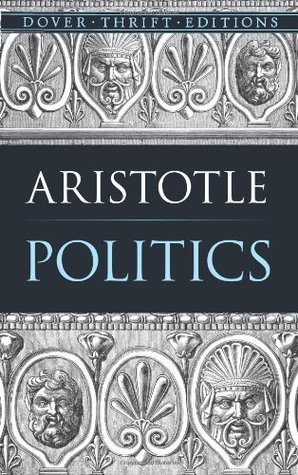
Title: Politics
Published: 351
Table of Contents
Exploring Aristotle's Politics: A Comprehensive Overview
Aristotle's "Politics" is a timeless classic that delves into the complexities of government, society, and individual responsibility. Published in 351 BC, this profound work has influenced political theory for centuries. In "Politics," Aristotle tackles fundamental questions about the relationship between the individual and the state, the ideal form of government, the role of education, and the purpose of wealth. Let's delve into the characters, summary, and analysis of this thought-provoking book.
Characters
Unlike a traditional novel, Aristotle's "Politics" does not contain characters in the traditional sense. Instead, the book is a treatise on political philosophy, exploring the theoretical aspects of governance, citizenship, and societal structure. However, Aristotle himself serves as the central figure in this work, offering his insights and perspectives on topics ranging from ethics to governance.
Detailed Summary
Aristotle's "Politics" is divided into eight books, each covering different aspects of political philosophy. In Book I, Aristotle lays the foundation for his argument, discussing the nature of the state, citizenship, and the role of the individual within society. He argues that the state exists to promote the well-being of its citizens and that individuals are inherently social beings who thrive in a community.
In subsequent books, Aristotle delves into various forms of government, including monarchy, aristocracy, and democracy. He examines the strengths and weaknesses of each system, ultimately arguing for a mixed form of government that combines elements of all three. Aristotle also discusses the role of education in creating virtuous citizens and the importance of a strong middle class in maintaining social stability.
Throughout "Politics," Aristotle emphasizes the importance of moderation, balance, and ethical behavior in both individuals and governments. He argues that the ultimate goal of the state is to promote the happiness and flourishing of its citizens, rather than simply amassing wealth or power.
Extensive Analysis
Aristotle's "Politics" is a seminal work in the field of political philosophy, offering profound insights into the nature of government and society. Aristotle's concept of the ideal state, with its emphasis on virtue, moderation, and the common good, continues to resonate with readers today.
One of the key themes of "Politics" is the relationship between the individual and the state. Aristotle argues that individuals are integral parts of a larger whole, and that their well-being is intrinsically tied to the well-being of the community. This concept of the "political animal" has profound implications for how we understand citizenship, governance, and societal cohesion.
Another important theme in "Politics" is the role of education in shaping virtuous citizens. Aristotle believes that education should focus on cultivating moral character, intellectual excellence, and practical skills. By instilling these values in its citizens, the state can create a harmonious and flourishing society.
Aristotle's discussion of wealth and material possessions is also noteworthy. He argues that the purpose of wealth is to provide the means for a good life, rather than an end in itself. Aristotle criticizes excessive wealth accumulation and argues for a more equitable distribution of resources within society.
To conclude, Aristotle's "Politics" is a rich and multifaceted work that continues to inspire readers with its insights into government, society, and the human condition. Whether you are a student of political theory, a lover of philosophy, or simply curious about the nature of governance, "Politics" is a must-read.
Final Thoughts
If you found this overview of Aristotle's "Politics" intriguing, we encourage you to delve into the complete book for a more in-depth exploration of his ideas. For those who prefer to listen on the go, consider checking out the audiobook version for a captivating listening experience. Aristotle's timeless wisdom and profound insights are sure to leave a lasting impression on all who engage with his work. Happy reading (or listening)!
Purchase the complete book "Politics" by Aristotle to dive deeper into his enduring insights and explore the complexities of governance and society.
9780486414249 (ISBN10: 0486414248)
Format: 368 pages, Paperback
Original Title: Πολιτικά
Edition: November 15, 2000 by Dover Publications
Swallows and Amazons Summary of Arthur Ransome's Book

The Moon Is a Harsh Mistress Summary of Robert A. Heinlein's Book

Franny and Zooey Summary of J.D. Salinger's Book

Tales of Ordinary Madness Summary of Charles Bukowski's Book

At the Mountains of Madness and Other Tales of Terror Summary of H.P. Lovecraft's Book

The Lover Summary of Marguerite Duras's Book
Related Books