

Post Office Summary of Charles Bukowski's Book
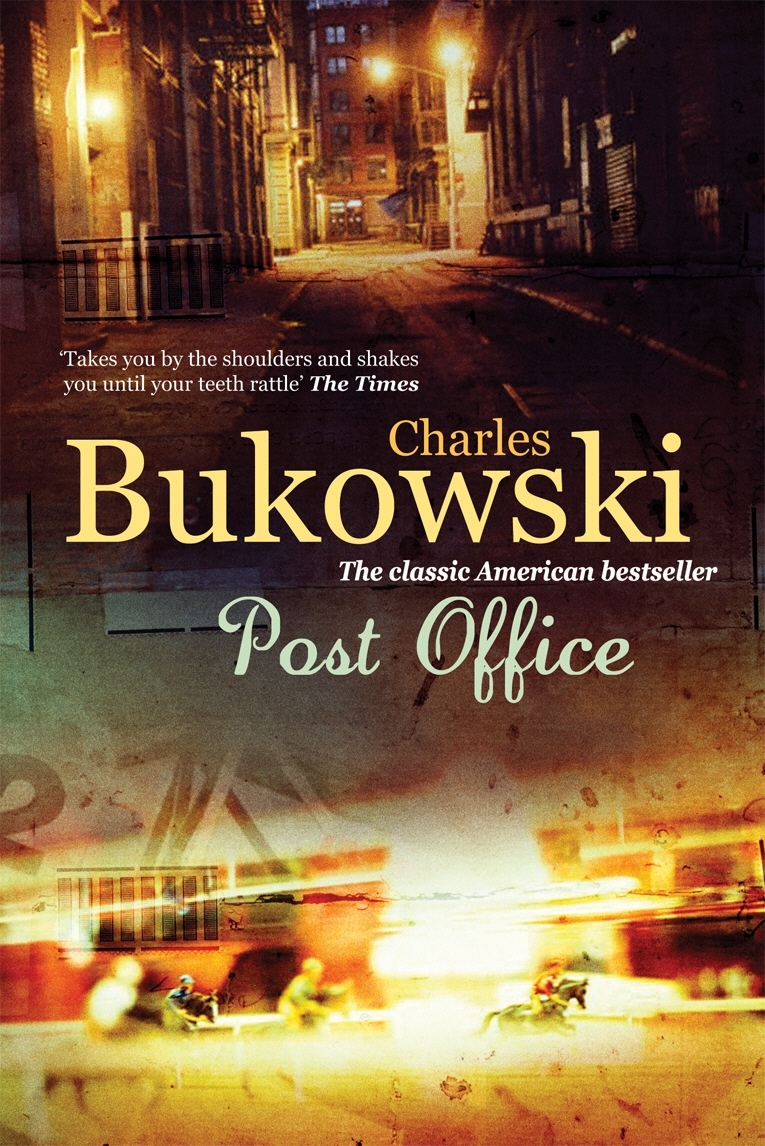
Title: Post Office
Published: 1971
Table of Contents
Exploring the Gritty Realities of the Post Office: A Summary and Analysis of Charles Bukowski's Novel
When it comes to gritty, raw, and unapologetically real literature, few authors can hold a candle to Charles Bukowski. And in his seminal work, "Post Office," Bukowski paints a vivid and darkly humorous portrait of life as a postal worker. First published in 1971, this classic novel takes readers on a journey through the mundane and often brutal world of the U.S. Postal Service, as seen through the eyes of its cynical protagonist, Henry Chinaski.
Characters
The central character in "Post Office" is Henry Chinaski, a man who has lost more than a decade of his life to the soul-crushing monotony of the postal service. Chinaski is a man who finds solace in women, booze, and racetrack betting, using these vices to numb the pain of his daily existence. Throughout the novel, readers are given a glimpse into Chinaski's inner turmoil, his struggles with authority, and his desperate attempts to find meaning in a world that seems determined to grind him down.
Detailed Summary
"It began as a mistake." With this opening line, Bukowski plunges readers into the chaotic and often absurd world of the postal service. Chinaski, our protagonist, is a man who has resigned himself to a life of drudgery, spending his days trudging through rain-soaked streets, dodging vicious guard dogs, and enduring the constant abuse of his superiors. Despite the soul-crushing nature of his job, Chinaski somehow manages to find moments of dark humor and twisted joy in the smallest of victories.
As the novel progresses, we witness Chinaski navigate the complexities of office politics, engage in raucous drinking binges, and struggle to maintain his sanity in the face of overwhelming adversity. Through it all, Bukowski's prose crackles with energy and wit, painting a vivid and often surreal portrait of life on the margins of society.
Extensive Analysis
At its core, "Post Office" is a novel about survival. Chinaski's battle against the forces that seek to crush his spirit is a testament to the resilience of the human soul in the face of unrelenting hardship. Through his unflinching portrayal of the everyday struggles of the working class, Bukowski shines a light on the harsh realities of life in a society that values conformity over individuality.
The novel also serves as a scathing critique of authority and bureaucracy, with Bukowski skewering the arbitrary rules and regulations that govern Chinaski's life. Through his irreverent and often profane humor, Bukowski highlights the absurdity of a system that values efficiency over humanity, and conformity over creativity.
In the end, "Post Office" is a novel that defies easy categorization. It is at once a darkly comic satire, a searing indictment of societal norms, and a poignant exploration of the human condition. Through his vivid prose and unflinching honesty, Bukowski invites readers to confront the harsh realities of life in all its messy, chaotic glory.
Final thoughts
To conclude, "Post Office" is a novel that is as relevant today as it was when it was first published in 1971. Its themes of alienation, rebellion, and survival resonate with readers of all generations, offering a stark reminder of the fragility of the human spirit in the face of overwhelming adversity. If you're a fan of gritty, realist literature that pulls no punches, then "Post Office" is a must-read.
So, if you're intrigued by the world of Henry Chinaski and the darkly humorous universe created by Charles Bukowski, I highly recommend picking up a copy of "Post Office" or giving the audiobook a listen. It's a journey you won't soon forget.
Format: 162 pages, Kindle Edition
Original Title: Post Office
Edition: October 13, 2009 by Ecco
Babbitt Summary of Sinclair Lewis's Book

The Oranging of America and Other Stories Summary of Max Apple's Book

Raise High the Roof Beam, Carpenters & Seymour: An Introduction Summary of J.D. Salinger's Book

What Matters Most is How Well You Walk Through the Fire Summary of Charles Bukowski's Book

This Side of Paradise Summary of F. Scott Fitzgerald's Book

The Music of Chance Summary of Paul Auster's Book
Related Books