

Potop Summary of Henryk Sienkiewicz's Book
The Trilogy - 3 book edition #2
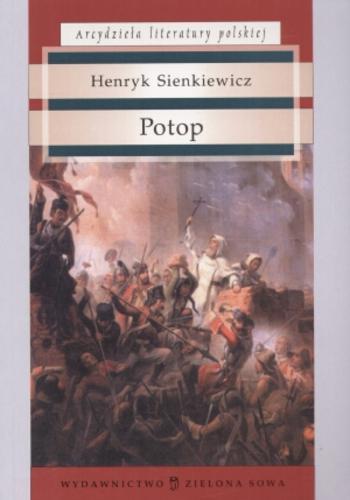
Title: Potop
Published: 1886
Table of Contents
The Book Summary of Potop by Henryk Sienkiewicz
Potop is the second novel in Henryk Sienkiewicz's renowned Trilogy, which was published in 1886. Set against the backdrop of the Swedish invasion of Poland between 1655 and 1660, the novel delves into the themes of betrayal and loyalty, both of historical figures and fictional characters. Sienkiewicz intricately weaves together the stories of various characters, showcasing their moral dilemmas and struggles amidst a time of war and upheaval.
Characters
- Jan Skrzetuski: A valiant and loyal Polish warrior who plays a significant role in the defense against the Swedish invasion.
- Michał Wołodyjowski: Another brave Polish soldier who fights alongside Skrzetuski.
- Jan Zagłoba: A colorful character known for his humor and wit, who provides comic relief in the midst of the war.
- John II Casimir Vasa: The King of Poland during the Swedish invasion, portrayed as a weak and indecisive ruler.
- Andrzej Kmicic: A controversial character torn between loyalty and betrayal, whose actions drive the narrative forward.
- Aleksandra Billewiczówna: A noblewoman caught in the midst of political intrigue and romantic entanglements.
- Janusz Radziwiłł: A magnate whose decisions have far-reaching consequences on the fate of the nation.
- Bogusław Radziwiłł: Another magnate who faces moral dilemmas and struggles with his loyalties.
- Augustyn Kordecki: A heroic figure who leads the defense of the Jasna Góra Monastery against the Swedish forces.
- Charles X Gustav of Sweden: The ambitious and ruthless Swedish King who leads the invasion of Poland.
Detailed Summary
Potop explores the Polish-Swedish conflict during the mid-17th century, focusing on the betrayal of Polish nobles, the struggles of the common people, and the heroic efforts of those who fight for their country's sovereignty. The narrative follows the lives of the main characters as they navigate through political intrigue, battles, love, and personal conflicts.
The story begins with the Swedish invasion of Poland, which brings chaos and destruction to the country. Jan Skrzetuski and Michał Wołodyjowski, two valiant Polish warriors, join the defense against the Swedes, showcasing bravery and loyalty in the face of adversity. Jan Zagłoba, a humorous and cunning nobleman, provides comic relief amidst the grim realities of war.
As the conflict unfolds, Andrzej Kmicic emerges as a central figure whose actions blur the lines between loyalty and betrayal. His choices lead to personal tragedy and moral dilemmas, highlighting the complexities of human nature in times of war.
Meanwhile, King John II Casimir Vasa's weak leadership is put to the test as Poland faces internal strife and external threats. The nobles, including Janusz and Bogusław Radziwiłł, must grapple with their loyalties and the consequences of their decisions on the nation's future.
The defense of the Jasna Góra Monastery by Augustyn Kordecki symbolizes the resilience and faith of the Polish people in the face of adversity. Against the backdrop of the "deluge" of war, the characters strive to preserve their honor, principles, and love for their homeland.
Extensive Analysis
Potop delves deep into the moral complexities of human nature, exploring themes of loyalty, betrayal, honor, and sacrifice. Through the diverse cast of characters, Sienkiewicz illustrates the different facets of individual choices in times of crisis. The author's meticulous attention to historical detail and vivid description of battle scenes bring the period of the Swedish invasion to life, immersing the reader in the tumultuous events of the time.
The novel also sheds light on the political climate of Poland during the 17th century, highlighting the internal divisions and external threats that plagued the nation. Sienkiewicz masterfully weaves together the personal struggles of the characters with the broader historical events, creating a rich tapestry of war, love, and political intrigue.
The character of Kmicic serves as a compelling focal point for exploring the moral ambiguities of loyalty and betrayal. His journey from a proud warrior to a conflicted figure torn between his personal desires and his duty to his country is a poignant exploration of the human psyche in times of war.
The portrayal of King John II Casimir Vasa as a weak and indecisive ruler underscores the challenges faced by Poland in a time of crisis. His character serves as a stark contrast to the bravery and valor displayed by Skrzetuski, Wołodyjowski, and other noble figures who fight to defend their homeland.
Overall, Potop is a gripping historical novel that immerses the reader in the turbulent period of the Swedish invasion of Poland. With its rich characterization, thoughtful exploration of moral dilemmas, and vivid depiction of war and heroism, the novel stands as a timeless classic of Polish literature.
Final thoughts
To conclude, Potop by Henryk Sienkiewicz is a compelling historical novel that offers a nuanced exploration of loyalty, betrayal, and sacrifice in the midst of war. Fans of historical fiction, Polish literature, and classic novels will find much to enjoy in this sweeping saga. I highly recommend picking up a copy of Potop to immerse yourself in the epic tale of the Polish-Swedish conflict and the individuals who shaped the destiny of a nation.
If you enjoyed this summary, consider purchasing the complete book to dive deeper into the intricate world created by Sienkiewicz. Alternatively, you can also listen to the audiobook version to experience the story in a new and engaging format. Happy reading!
9788373898356 (ISBN10: 8373898352)
Format: 784 pages, Hardcover
Original Title: Potop
Edition: January 1, 2006 by Zielona Sowa
Swallows and Amazons Summary of Arthur Ransome's Book

The Moon Is a Harsh Mistress Summary of Robert A. Heinlein's Book

Franny and Zooey Summary of J.D. Salinger's Book

Tales of Ordinary Madness Summary of Charles Bukowski's Book

At the Mountains of Madness and Other Tales of Terror Summary of H.P. Lovecraft's Book

The Lover Summary of Marguerite Duras's Book
Related Books