
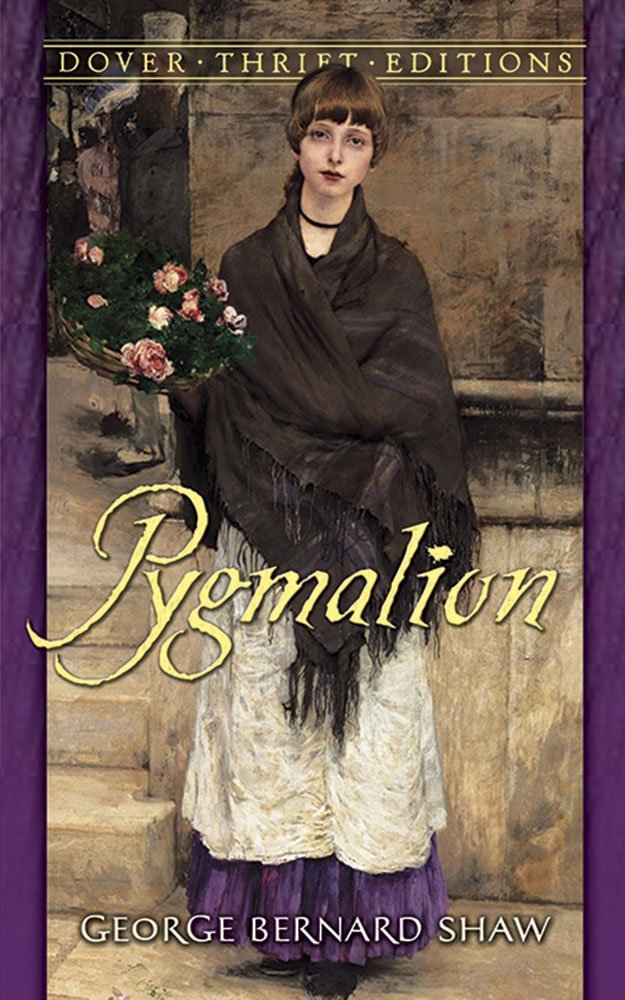

Pygmalion Summary of George Bernard Shaw's Book
Table of Contents
Pygmalion by George Bernard Shaw: A Timeless Classic
George Bernard Shaw's Pygmalion has been captivating audiences since it was first published on October 16, 1913. This play, belonging to the genres of Classics, Plays, and Fiction, is a modern take on the ancient Greek legend of Pygmalion and Galatea. Shaw's adaptation delves into the rigid British class system of the time, poking fun at societal norms and showcasing the transformative power of language and manners.
Characters
1. Henry Higgins
Henry Higgins is a linguistic expert who takes on the challenge of transforming Eliza Doolittle from a rough cockney flower girl into a refined lady. His confidence and wit make him a compelling character as he navigates the complexities of class and identity.
2. Eliza Doolittle
Eliza Doolittle is the spirited young woman who becomes the subject of Henry Higgins' experiment. Her journey from a humble flower seller to a sophisticated lady is both captivating and empowering, showcasing her resilience and determination.
3. Colonel Pickering
Colonel Pickering is a friend and colleague of Henry Higgins who becomes involved in the bet to transform Eliza. His supportive nature and gentlemanly demeanor provide a contrast to Higgins' brashness, adding depth to the dynamic between the characters.
4. Alfred P. Doolittle
Alfred P. Doolittle is Eliza's father, a colorful character who revels in his lower-class lifestyle. His interactions with Higgins and Pickering add humor and commentary on social class distinctions, highlighting the satire at the heart of the play.
5. Mrs. Pearce
Mrs. Pearce is Henry Higgins' housekeeper, who serves as a voice of reason amidst the chaos of the Eliza transformation. Her practicality and insight into human nature make her a valuable presence in the story.
6. Mrs. Higgins
Mrs. Higgins is Henry Higgins' mother, a refined and sophisticated woman who provides a contrast to her son's eccentricities. Her interactions with Eliza offer a glimpse into the world of high society, shedding light on the complexities of class dynamics.
7. Freddy Eynsford-Hill
Freddy Eynsford-Hill is a young man of means who becomes infatuated with Eliza during her transformation. His romantic gestures and genuine admiration for Eliza add a touch of sweetness to the story, showcasing the power of love to transcend social barriers.
8. Clara Eynsford-Hill
Clara Eynsford-Hill is Freddy's sister, a proper young woman who represents the upper-class society that Eliza aspires to join. Her interactions with Eliza highlight the nuances of class distinctions and the challenges of navigating social expectations.
9. Mrs. Eynsford-Hill
Mrs. Eynsford-Hill is the matriarch of the Eynsford-Hill family, a woman who embodies the ideals of high society. Her interactions with Eliza and Henry Higgins provide insight into the complexities of class dynamics and the ways in which language and manners shape social identity.
Detailed Summary
Pygmalion follows the story of Henry Higgins, a linguistic expert who makes a bet with Colonel Pickering that he can transform Eliza Doolittle, a cockney flower seller, into a refined lady simply by improving her manners and accent. As Eliza undergoes a rigorous training regimen under Higgins' guidance, she gradually begins to adopt the speech and behaviors of the upper class. Despite initial setbacks and challenges, Eliza's transformation is a resounding success, leading society to believe that she is a mysterious royal figure.
As Eliza navigates her new identity and grapples with the complexities of class and language, she forms a bond with Higgins that transcends their teacher-student relationship. Higgins, in turn, finds himself enamored with his creation and begins to see Eliza in a new light. However, as Eliza's confidence grows and she asserts her independence, tensions arise between her and Higgins, forcing both characters to confront their own prejudices and assumptions.
The play culminates in a climactic confrontation between Eliza and Higgins, where the true nature of their relationship is put to the test. Through a series of twists and turns, the characters are forced to confront their own shortcomings and rethink their preconceived notions of class, identity, and love. In the end, Pygmalion offers a poignant exploration of the transformative power of language and the ways in which society shapes our perceptions of self and others.
Analysis
Pygmalion is a masterful exploration of the complexities of class, identity, and language, using wit and satire to expose the absurdities of the British social hierarchy. Shaw's clever adaptation of the Pygmalion myth offers a fresh perspective on the idea of transformation, highlighting the ways in which language and manners shape our perceptions of self and others.
The characters in Pygmalion are richly drawn and multifaceted, each embodying different aspects of the class system and the challenges of social mobility. Henry Higgins, with his arrogance and brilliance, serves as a compelling foil to Eliza Doolittle's resilience and determination. Their evolving relationship provides a lens through which to examine the power dynamics at play in society and the ways in which language can be used as a tool for empowerment or oppression.
Colonel Pickering, Alfred P. Doolittle, and the other characters in the play offer a diverse array of perspectives on social class and identity, adding depth and complexity to Shaw's exploration of these themes. Through sharp dialogue and lively humor, Shaw deftly exposes the hypocrisies and inequalities of the British class system, challenging the audience to reconsider their own assumptions and prejudices.
Pygmalion's enduring popularity can be attributed to its timeless themes and engaging characters, as well as Shaw's skillful blend of comedy and social commentary. The play continues to resonate with audiences today, offering a thought-provoking exploration of the ways in which language, manners, and social norms shape our interactions with the world around us.
To conclude, Pygmalion is a classic work of literature that remains as relevant and engaging today as it was over a century ago. With its sharp wit, colorful characters, and profound insights into the nature of identity and society, Shaw's play is a timeless masterpiece that continues to captivate and inspire readers and audiences around the world.
If you enjoyed this comprehensive summary of Pygmalion, we encourage you to purchase the complete book to experience the full depth and richness of George Bernard Shaw's timeless classic. Alternatively, you may also listen to the audiobook for a captivating audio experience.
9780486282220 (ISBN10: 0486282228)
Format: 82 pages, Paperback
Original Title: Pygmalion
Edition: October 20, 1994 by Dover Publications
Swallows and Amazons Summary of Arthur Ransome's Book

The Moon Is a Harsh Mistress Summary of Robert A. Heinlein's Book

Franny and Zooey Summary of J.D. Salinger's Book

Tales of Ordinary Madness Summary of Charles Bukowski's Book

At the Mountains of Madness and Other Tales of Terror Summary of H.P. Lovecraft's Book

The Lover Summary of Marguerite Duras's Book
Related Books