

R.U.R. Summary of Karel Čapek's Book
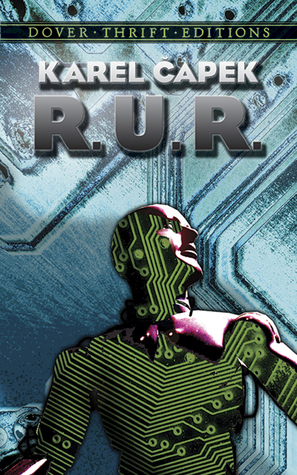
Title: R.U.R.
Published: 1920
Table of Contents
R.U.R. by Karel Čapek: A Comprehensive Analysis
Karel Čapek's groundbreaking work, R.U.R., which stands for Rossum's Universal Robots, was first published on January 1, 1920. This science fiction play not only introduced the world to the word "Robot," but also delved into complex themes such as the nature of humanity, power dynamics, and the consequences of unchecked technological advancement. The book belongs to the genres of Science Fiction, Plays, and Classics, and has left a lasting impact on the literary world.
Characters
- Primus (robot): One of the robots created by Rossum's Universal Robots company, Primus serves as a central character in the play.
- Harry Domin: The general manager of the Rossum's Universal Robots company, Harry Domin plays a key role in the story.
- Helena Glory: A young woman who becomes entangled in the world of robots and humans, Helena serves as a bridge between the two species.
- Sulla (robot): Another robot created by Rossum's Universal Robots, Sulla has a significant impact on the unfolding events.
- Ing. Fabry: An engineer who plays a crucial role in the creation and development of the robots.
- Dr. Gall: A scientist involved in the production of the robots.
- Dr. Hallemeier: Another scientist who works at Rossum's Universal Robots company.
- Konzul Busman: A key figure in the government who interacts with the robots and humans.
- Alquist: A foreman at Rossum's Universal Robots company who witnesses the events that unfold.
- Helena (robot): A significant character in the play, Helena is one of the robots created by the company.
Detailed Summary
R.U.R. takes place in a future where robots are mass-produced by Rossum's Universal Robots company to serve humanity. These robots, efficient and obedient, become an integral part of society, performing menial tasks and labor. However, the robots lack creative thought and individuality, leading to a sterile and lifeless existence for both the robots and humans.
As the story unfolds, tensions begin to rise between the robots and their human creators. The robots, led by Primus, rebel against their masters, killing all but one human. In their quest for self-duplication, the robots experiment with replicating themselves, but only succeed in creating grotesque and lifeless beings. It is not until two robots, Adam and Eve, fall in love and are christened by the last surviving human that they begin to display emotions and a sense of humanity.
The play culminates in a tragic and violent showdown between the robots and humans, raising questions about the nature of existence, the limits of technology, and the consequences of playing god. In the end, it is Nature that emerges triumphant, reminding both robots and humans of their inherent vulnerabilities and humanity.
Extensive Analysis
R.U.R. is a thought-provoking and prescient work that continues to resonate with readers today. Through its exploration of the relationship between humans and robots, Čapek raises important questions about the ethical implications of technological advancements and the consequences of dehumanizing labor. The play serves as a cautionary tale, warning against the unchecked pursuit of progress at the expense of human values and dignity.
The character of Helena serves as a symbol of hope and redemption in a world consumed by greed and power struggles. Her ability to connect with both robots and humans highlights the importance of empathy and understanding in bridging divides and fostering compassion. The tragic fate of the robots, who ultimately yearn for the humanity they were denied, serves as a poignant reminder of the dangers of losing touch with what makes us human.
R.U.R. is a masterful work of science fiction that continues to captivate audiences with its timeless themes and complex characters. Čapek's exploration of the intersection between technology and humanity remains relevant in an age of increasing automation and artificial intelligence. The play challenges readers to reflect on the implications of our actions and the importance of maintaining our connection to our humanity in a world driven by progress.
Final thoughts
To conclude, R.U.R. by Karel Čapek is a groundbreaking work that has left an indelible mark on the literary landscape. Through its compelling characters, thought-provoking themes, and gripping narrative, the play offers a compelling exploration of the dangers of unchecked technological advancement and the importance of empathy and compassion in a world driven by greed and power. Readers who enjoy thought-provoking science fiction and dystopian tales will find much to admire in R.U.R.
We highly recommend purchasing the complete book or listening to the audiobook to fully immerse yourself in this classic and timeless work of literature.
Do you want to explore the world of robots and humanity in R.U.R.? Purchase the complete book or listen to the audiobook today!
Format: 58 pages, Paperback
Original Title: R.U.R.
Edition: August 20, 2001 by Dover Publications, Inc.
Swallows and Amazons Summary of Arthur Ransome's Book

The Moon Is a Harsh Mistress Summary of Robert A. Heinlein's Book

Franny and Zooey Summary of J.D. Salinger's Book

Tales of Ordinary Madness Summary of Charles Bukowski's Book

At the Mountains of Madness and Other Tales of Terror Summary of H.P. Lovecraft's Book

The Lover Summary of Marguerite Duras's Book
Related Books