

Resurrection <div>Summary of Leo Tolstoy's Book</div>
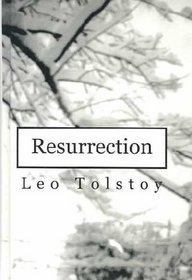
Title: Resurrection
Published: 1899
Table of Contents
Leo Tolstoy, one of the greatest novelists in Russian literature, published his final major novel, Resurrection, on January 1, 1899. The book belongs to the genres of Fiction and Russian Literature, offering readers a profound reflection on redemption and social injustices prevalent in Russia at the end of the nineteenth century. Through the characters of Katusha Maslova and Dmitry Nekhlyudov, Tolstoy weaves a gripping narrative that delves into themes of guilt, forgiveness, and societal inequality.
Characters
Катюша Маслова: Katusha Maslova is a peasant girl who becomes a prisoner in Siberia after suffering the consequences of Dmitry Nekhlyudov's youthful indiscretions. Her character embodies resilience, hope, and the capacity for forgiveness despite enduring immense hardships.
Дмитрий Нехлюдов: Dmitry Nekhlyudov is a nobleman who embarks on a journey of redemption after realizing the impact of his past actions on Katusha Maslova. Through his character, Tolstoy explores the complexities of guilt, moral responsibility, and the transformative power of love and forgiveness.
Detailed Summary
In Resurrection, the story unfolds as Dmitry Nekhlyudov serves on a jury and discovers that Katusha Maslova, a woman he once seduced and abandoned, is on trial for murder. Consumed by guilt and a desire to right his past wrongs, Nekhlyudov resolves to accompany Katusha to prison in Siberia, seeking to support and protect her.
As the narrative progresses, Nekhlyudov experiences a profound inner transformation, grappling with his privilege as a nobleman and the systemic injustices that have led to Katusha's plight. Through his interactions with Katusha and other prisoners, Nekhlyudov confronts the harsh realities of the penal system and the pervasive inequality that pervades Russian society.
Despite facing numerous challenges and setbacks, Nekhlyudov remains steadfast in his commitment to Katusha, advocating for her rights and striving to secure her release. Along the way, he encounters a diverse cast of characters who offer insights into the complexities of human nature and the corrosive effects of social injustice.
As the novel reaches its climax, Nekhlyudov and Katusha embark on a journey of spiritual renewal and mutual forgiveness, transcending their past mistakes and embracing a newfound sense of empathy and compassion. Through their intertwined fates, Tolstoy paints a poignant portrait of redemption and the enduring power of love to overcome even the darkest of circumstances.
Extensive Analysis
Resurrection stands as a testament to Tolstoy's literary genius, showcasing his unparalleled ability to craft intricate character portraits and explore profound philosophical themes. At its core, the novel grapples with questions of morality, social responsibility, and the pursuit of inner peace amidst external turmoil.
Tolstoy's condemnation of violence and his advocacy for nonviolent resistance shine through in Resurrection, as he challenges readers to confront the inequities and injustices that pervade society. Through Nekhlyudov's journey of self-discovery, Tolstoy invites reflection on the nature of guilt, redemption, and the transformative power of love.
The sweeping scope of Resurrection allows Tolstoy to paint a vivid picture of Russian society at the turn of the century, offering a panoramic view of the political, social, and economic forces that shape human destinies. Through his keen observations and vivid prose, Tolstoy captures the essence of a nation at a crossroads, torn between tradition and progress, privilege and poverty.
Ultimately, Resurrection emerges as a timeless masterpiece that continues to resonate with readers across generations. Its themes of forgiveness, compassion, and social justice remain as relevant today as they were over a century ago, serving as a poignant reminder of the enduring power of literature to illuminate the human experience.
Final thoughts
To conclude, Resurrection by Leo Tolstoy is a compelling and thought-provoking novel that explores the complexities of guilt, redemption, and social injustice with unparalleled depth and insight. Through the characters of Katusha Maslova and Dmitry Nekhlyudov, Tolstoy crafts a poignant tale of love, forgiveness, and hope in the face of adversity.
If you are looking for a literary masterpiece that will challenge your beliefs and inspire reflection on the human condition, Resurrection is a must-read. We highly recommend picking up a copy of this timeless classic or listening to the audiobook to immerse yourself in Tolstoy's richly textured world of moral dilemmas, personal transformation, and the enduring power of redemption.
9780735102866 (ISBN10: 0735102864)
Format: 562 pages, Hardcover
Original Title: Воскресение
Edition: October 1, 2002 by Replica Books
Swallows and Amazons Summary of Arthur Ransome's Book

The Moon Is a Harsh Mistress Summary of Robert A. Heinlein's Book

Franny and Zooey Summary of J.D. Salinger's Book

Tales of Ordinary Madness Summary of Charles Bukowski's Book

At the Mountains of Madness and Other Tales of Terror Summary of H.P. Lovecraft's Book

The Lover Summary of Marguerite Duras's Book
Related Books